
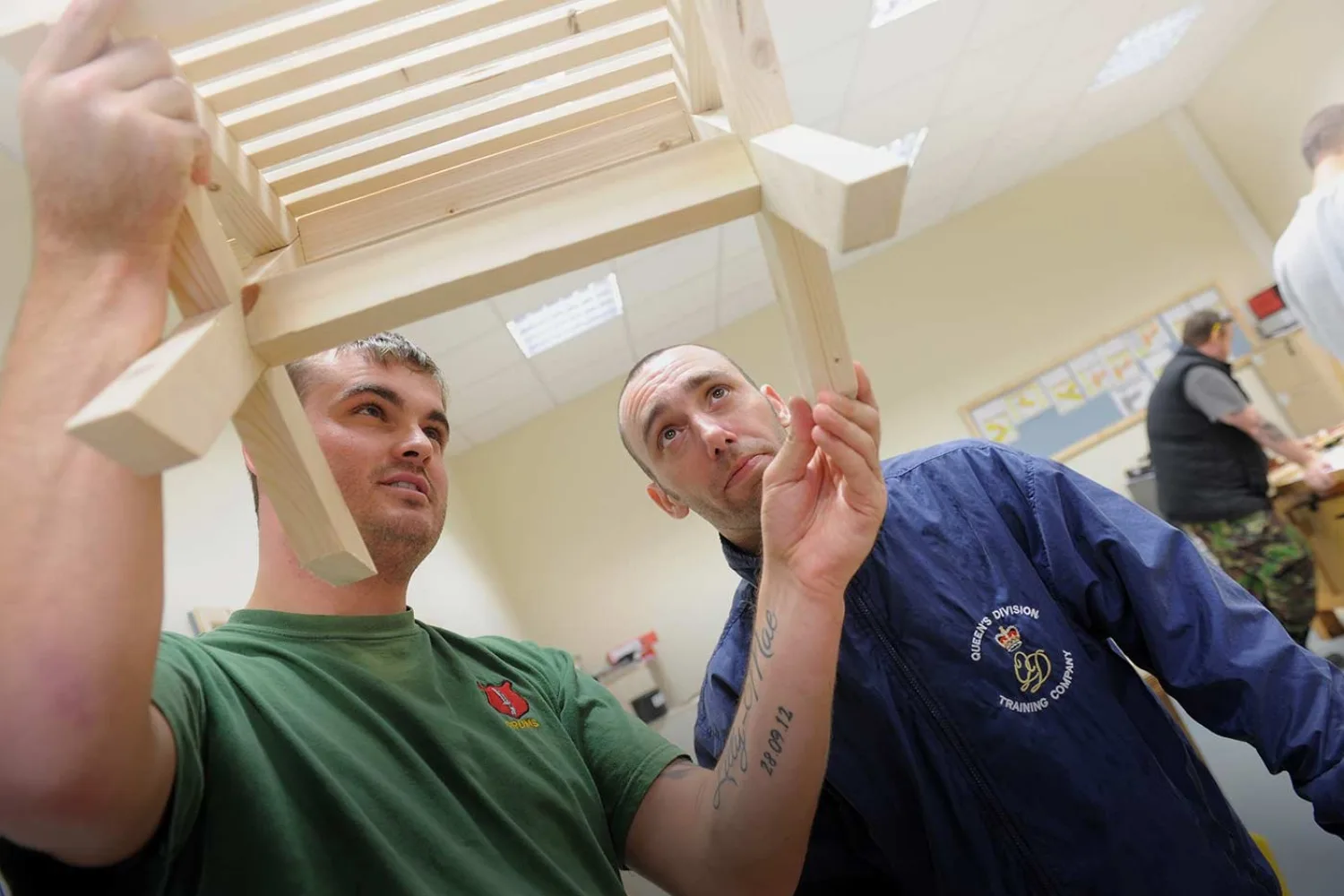
Careers for ex-Armed Forces personnel
Join an industry where you can build on the skills you already have — whether you are preparing for resettlement or have already left service.
Why consider house building after the Armed Forces?
Building homes involves people with different backgrounds working together to deliver complex projects. Skills developed during military service — including teamwork, reliability, problem-solving and taking responsibility — can be valuable in this environment.
You could work on a development site, support technical planning, manage resources or join a business team. Your next step will depend on your interests, experience and the requirements of the role, rather than your former rank or service alone.
How can your military skills transfer?
Think about the tasks you have performed and the skills behind them. These examples show possible connections with house building career areas; they are not direct job equivalences or guarantees of eligibility.
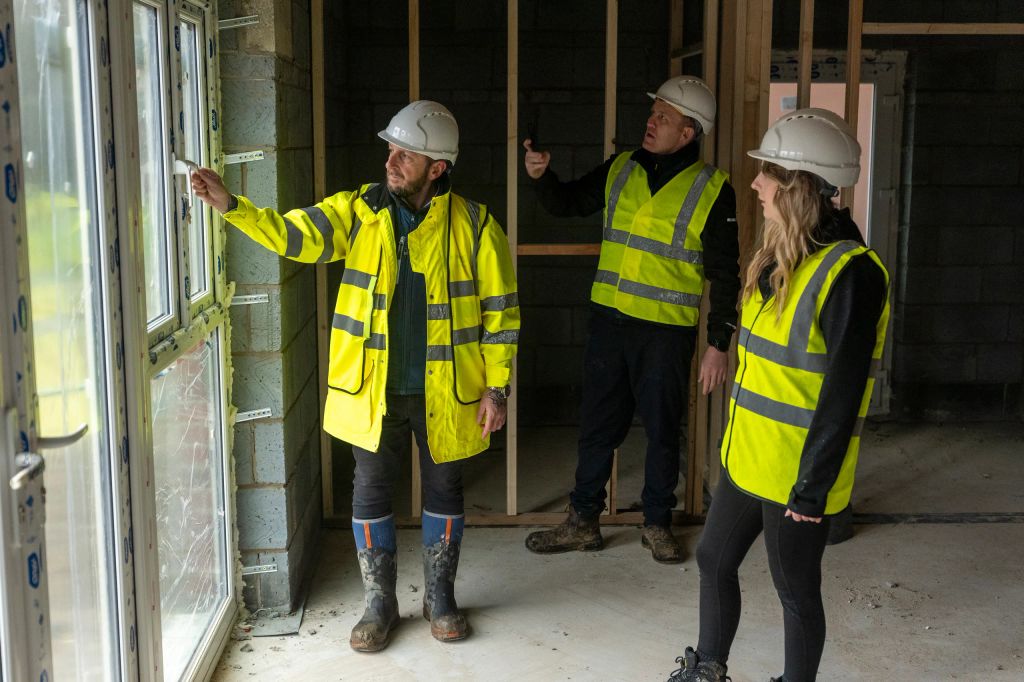
Leading teams and coordinating activities
Explore Construction — site coordination and construction management.
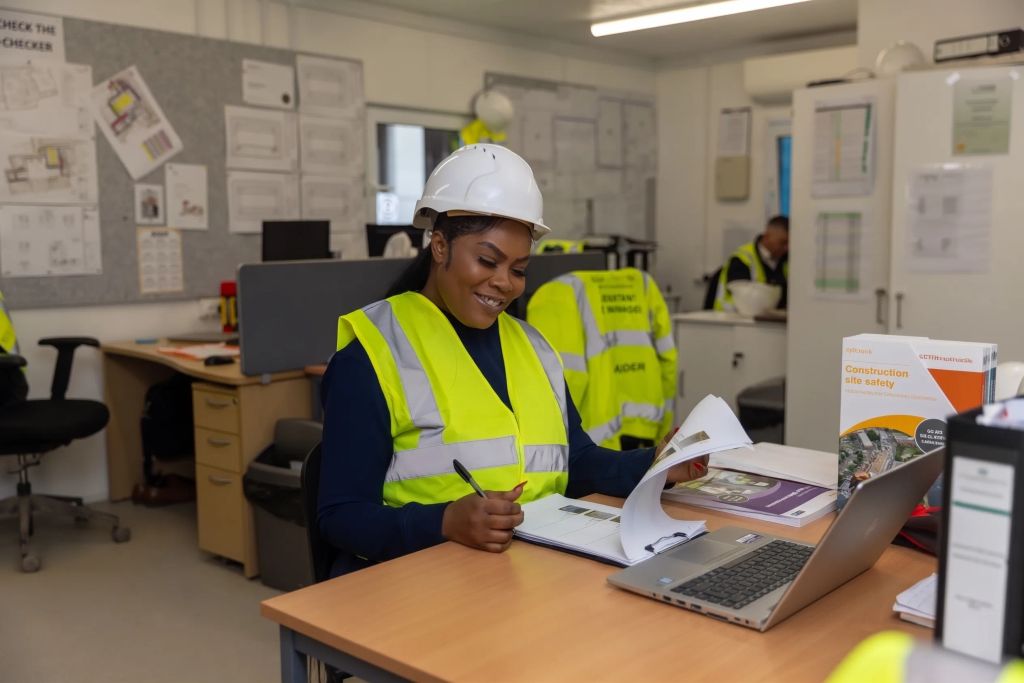
Logistics, scheduling and resource management
Explore Commercial — estimating, buying and cost control.
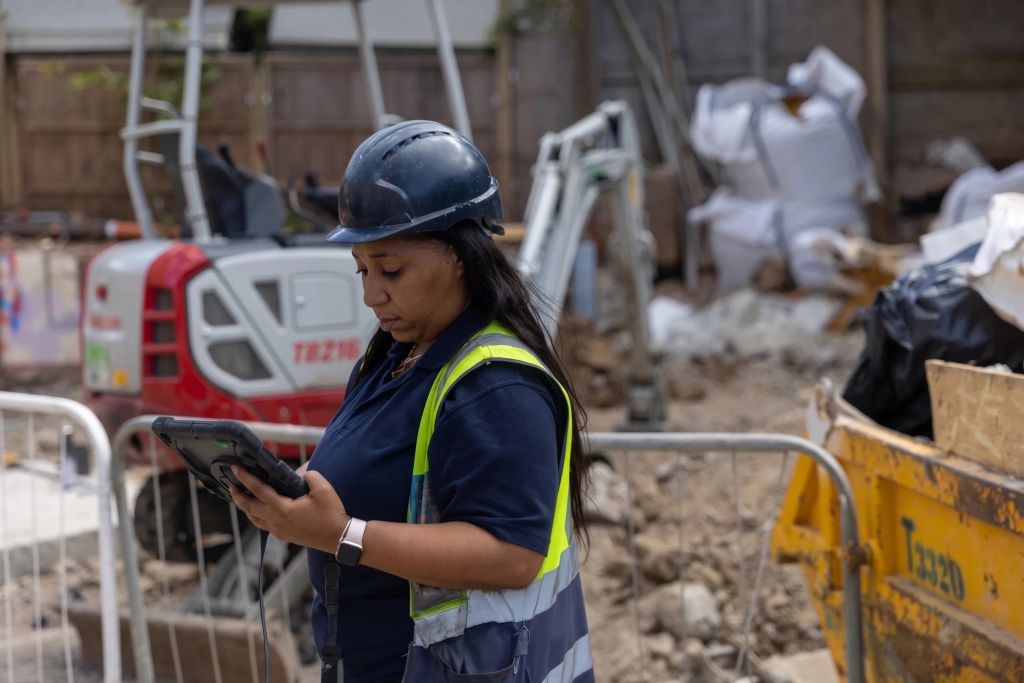
Engineering and technical problem-solving
Explore Technical & Design — engineering, design and technical coordination.
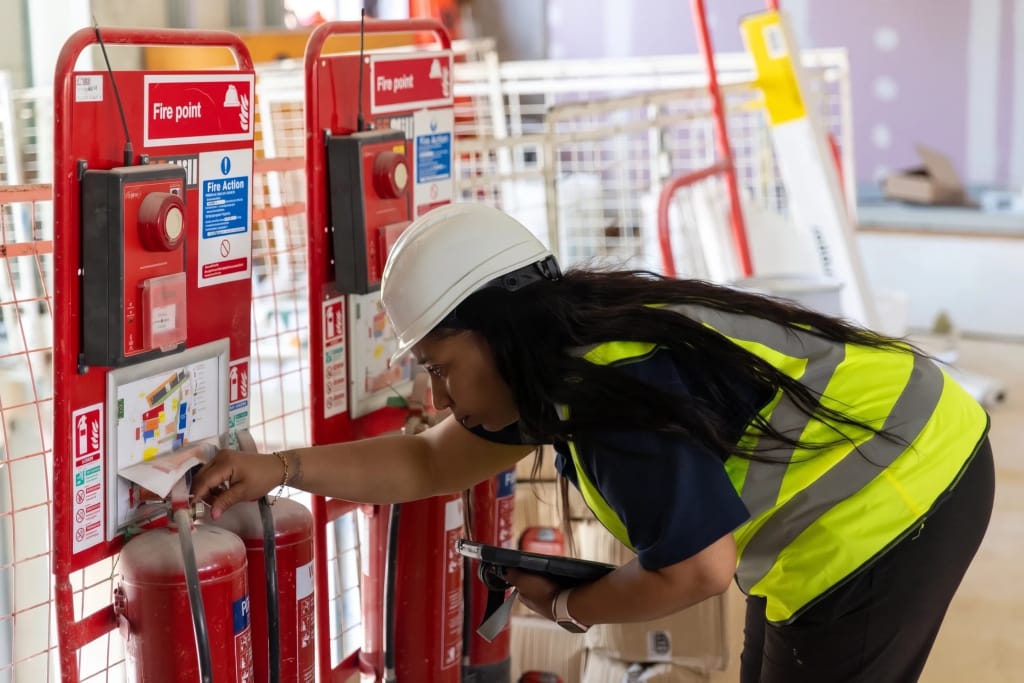
Risk assessment and safe working practices
Explore Health & Safety — protecting people and promoting safe working.

Budgeting and financial administration
Explore Finance — finance and reporting roles.

Training, mentoring and developing others
Explore Human Resources — recruiting and developing people.

Communication and relationship management
Explore Customer Service - supporting the community when the build is happening, engaging them in job opportunities and open days to see what is happening in their area.
Do you need to retrain to work in house building?
Not necessarily, but some positions require specific technical knowledge, qualifications or demonstrable competence. Military experience may provide useful evidence of transferable skills without automatically meeting civilian occupational requirements. Before committing to a course, check vacancies and speak with employers or specialist transition advisers about what training would be relevant.
An apprenticeship may suit people seeking structured employment and training, while other candidates may be ready to apply directly for roles that match their experience. Job titles can mean different things between organisations, so look beyond the title to the actual responsibilities.
Support and retraining for service leavers and veterans
Specialist organisations can help you understand civilian careers, identify suitable training and connect with employers. Their services, eligibility rules and available programmes may change, so check their websites for current information.
- Building Heroes – construction training and employment support for members of the military community.
- BuildForce – career-transition guidance, mentoring and connections with construction employers.
- Career Transition Partnership (CTP) – resettlement and employment support for eligible service leavers.
- Barratt Armed Forces Transition Programme – an example of an employer-led transition route; check current recruitment details.
How to start after military service
Translate your military responsibilities into clear examples of skills and achievements, then work through the steps below.
Translate your military responsibilities into clear examples of skills and achievements.
Compare career areas and job profiles before choosing where to focus.
Look for any civilian qualifications, licences or training you may need.
Ask specialist organisations about guidance, training and employer introductions.
Tailor your CV to each vacancy and explain how your experience meets its requirements.
Explore career opportunities
You do not have to start in a traditional building trade. Compare job profiles to understand everyday duties, entry requirements and the experience employers look for.

Site Manager
Site managers bring the different parts of a new-home development together on site. They coordinate people, programmes, quality and safety so houses can be built in the right order and to the required standard.
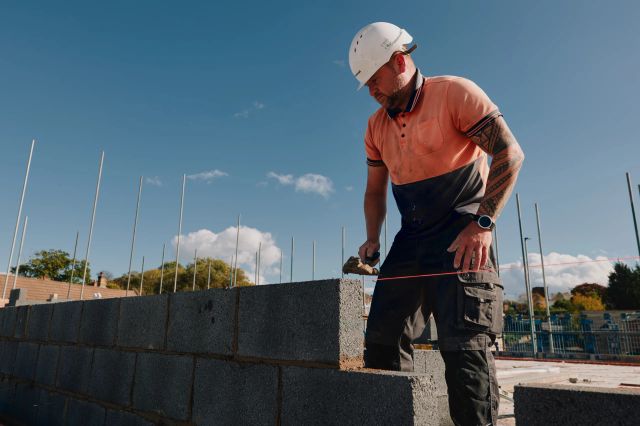
Bricklayer
Bricklayers play a hands-on role in turning house plans into new homes. They build walls and other brickwork accurately, safely and to the required standard, working as part of the wider construction team on a residential development.
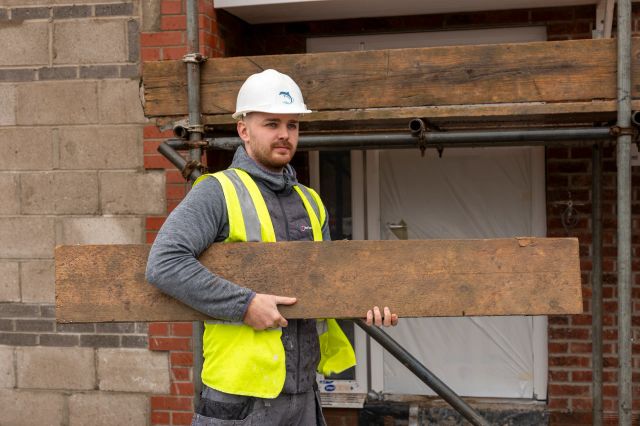
Carpenter
Carpenters help turn the structure of a new house into a safe, practical home. They fit timber components at different stages of construction, from floor structures and roof timbers to doors, stairs and skirting boards. Their measurements and workmanship affect how well later trades can do their job
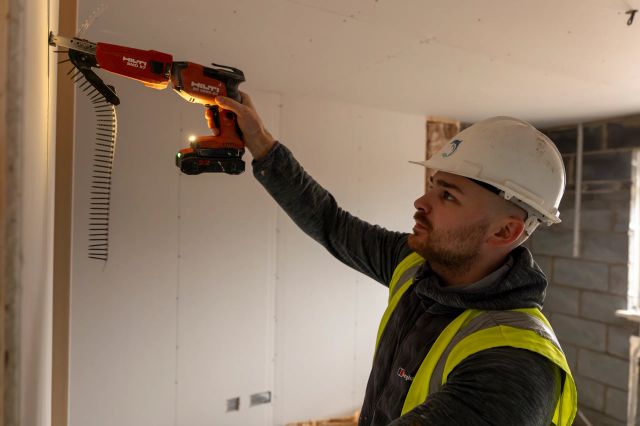
Dry Liner
Dry liners create internal walls, linings and ceilings using plasterboard and framing systems. On new housing developments, their work helps turn the shell of a house into recognisable rooms and creates spaces for insulation, services and performance systems.
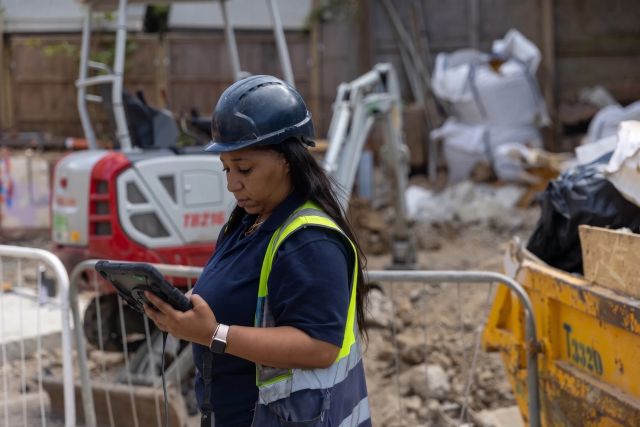
Engineer
Engineers help turn plans for new homes into practical, buildable developments. In house building, they solve technical problems around structures, levels, drainage, roads, utilities and site infrastructure, working with teams from the earliest design stages through to construction.
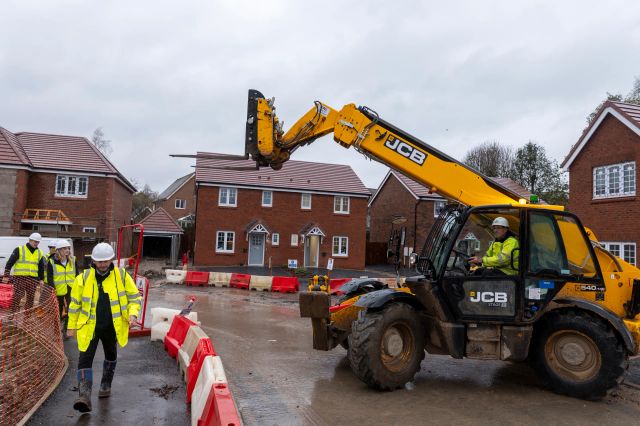
Groundworker
Groundworkers prepare the land and infrastructure that new homes depend on. Before walls rise, they help establish safe working areas, drainage, foundations and access routes; their work continues as the development takes shape.
Plasterer
Plasterers give the walls and ceilings of new homes the smooth, durable surfaces needed for decorating. Their work makes a visible difference to the finish of each room and helps bring a development closer to handover.
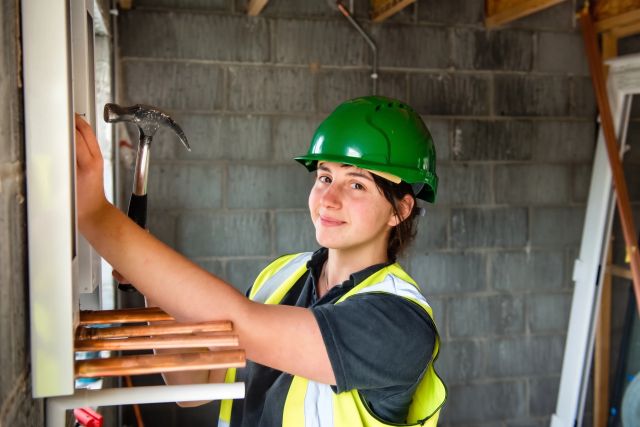
Plumber
Plumbers install the water, drainage and often heating systems that make new homes comfortable and practical. Their work is essential from the early installation of pipework to the final testing of bathrooms, kitchens and other fittings.
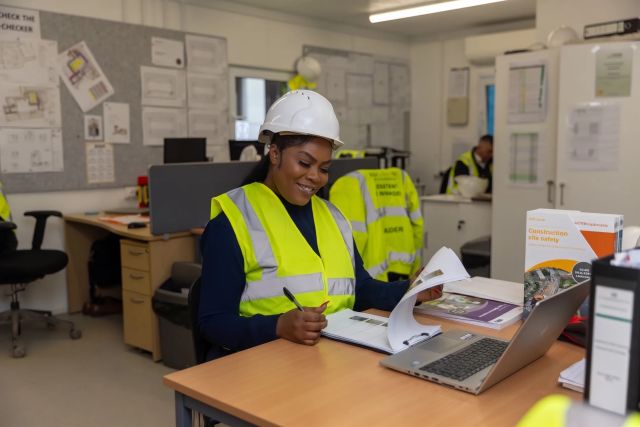
Quantity Surveyor
Quantity surveyors help house builders understand and control the cost of building new houses and residential developments. They combine financial thinking with construction knowledge, following costs from early budgets through the build and into final accounts.
Roof Slater and Tiler
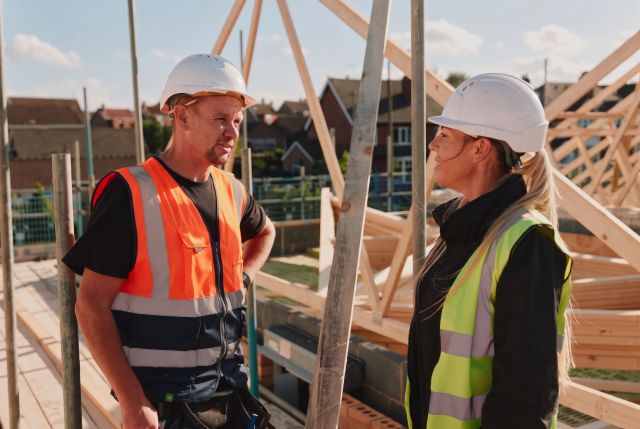
Roof slaters and tilers install the pitched roof coverings that protect new homes from the weather. Their work combines precise setting out, careful fixing and strong safety awareness, often in exposed conditions high above the site.
Sales Advisor
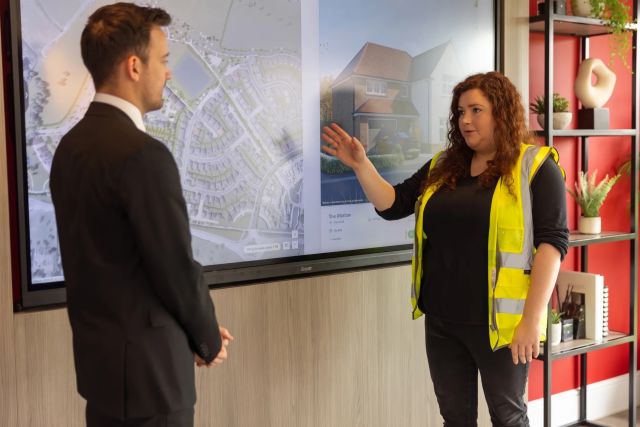
Sales advisors are often the first people customers meet when they consider buying a new home. They explain the development of the construction site and available homes, guide buyers through the sales process and help keep reservations moving towards completion.
Wall and Floor Tiler
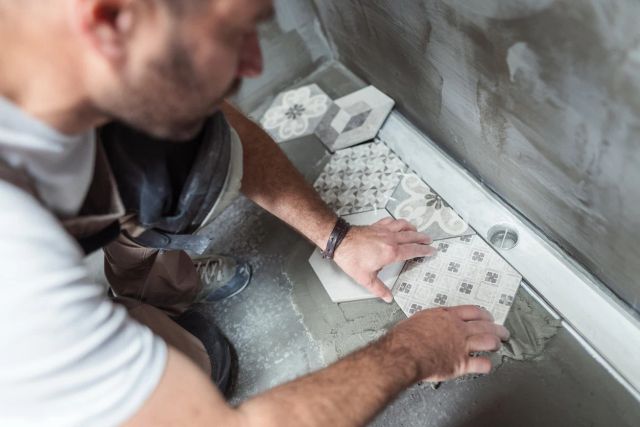
Wall and floor tilers create durable, accurate finishes in kitchens, bathrooms and other tiled areas of new houses. They prepare surfaces, set out patterns, cut and fix tiles, grout joints and check that the finished work meets the required standard.
Ex-Armed Forces career FAQs
Opportunities may include construction management, technical and engineering roles, commercial work, health and safety, skilled trades and business support. The most suitable options depend on your experience, interests and the requirements of each vacancy.
Not for every role. Some employers may value transferable experience from military service, while technical or regulated roles can require specific training or qualifications. Read individual job descriptions carefully before applying.
Yes. Leadership, planning, engineering, communication and safety-related experience may be relevant. However, military qualifications are not automatically equivalent to civilian occupational credentials. Check the requirements for your chosen role.
Organisations such as Building Heroes and BuildForce offer relevant support, while the Career Transition Partnership provides resettlement services for eligible service leavers. Availability and eligibility vary, so confirm current details directly.
Start with house builders’ official careers websites and check opportunities in your preferred region. Specialist military transition organisations may also help you identify suitable employers and prepare applications.
Take your next step into house building
Explore the jobs that match your strengths, check any training requirements and contact employers to learn about current opportunities. You can build on the experience you already have while finding a new direction that suits you.