
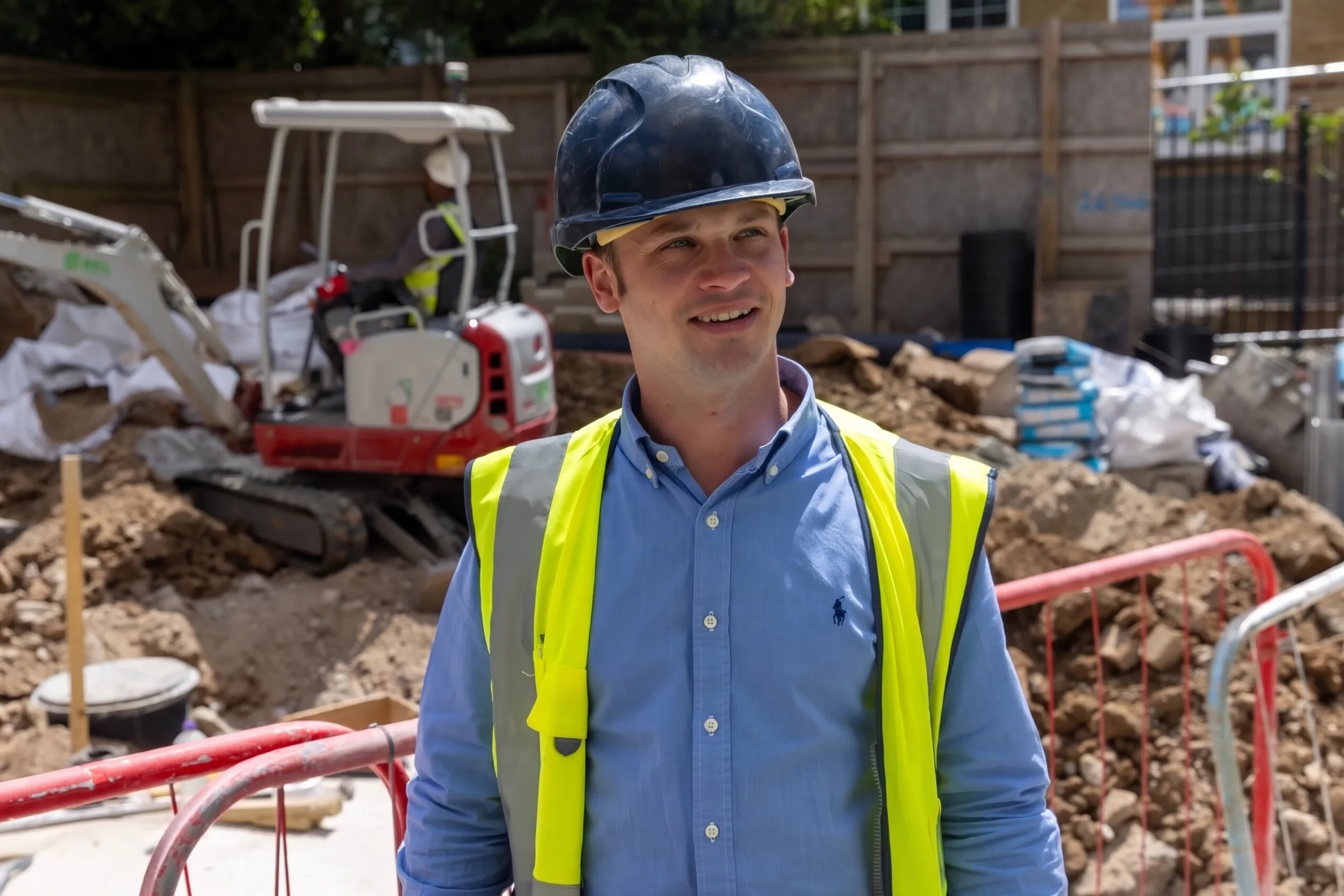
Graduate careers in house building
Your degree could open the door to a career helping to create new homes and communities — through a structured graduate programme or a direct-entry role.
Why choose a graduate career in house building?
House building brings together people with different expertise to plan, design, build and sell new homes. As a graduate, you could apply what you have learned at university while developing new skills through real projects and collaboration with experienced colleagues.
- Make a visible difference – contribute to homes and places where people will live.
- Put your skills into practice – use analysis, communication, creativity or technical knowledge in a working environment.
- Explore different specialisms – work alongside teams with varied professional backgrounds.
- Build for the future – develop specialist expertise and, with experience, take on broader responsibility.
Explore graduate career opportunities
Graduate roles are not limited to working on construction sites. The examples below are illustrative: availability, job titles and degree requirements vary by employer.
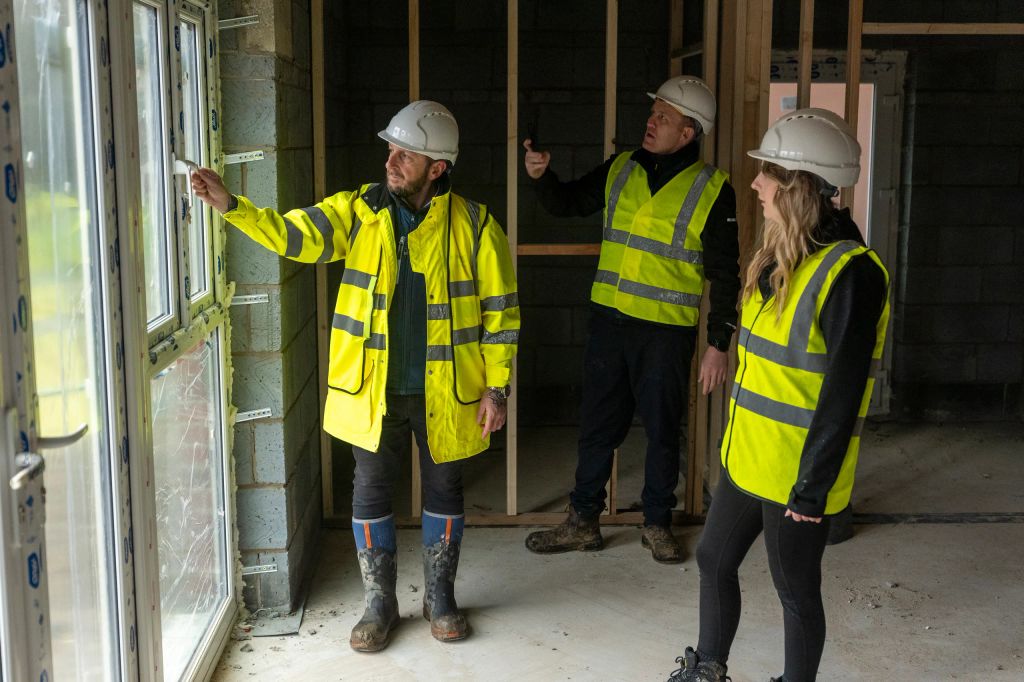
Construction
Graduate site management and construction management.
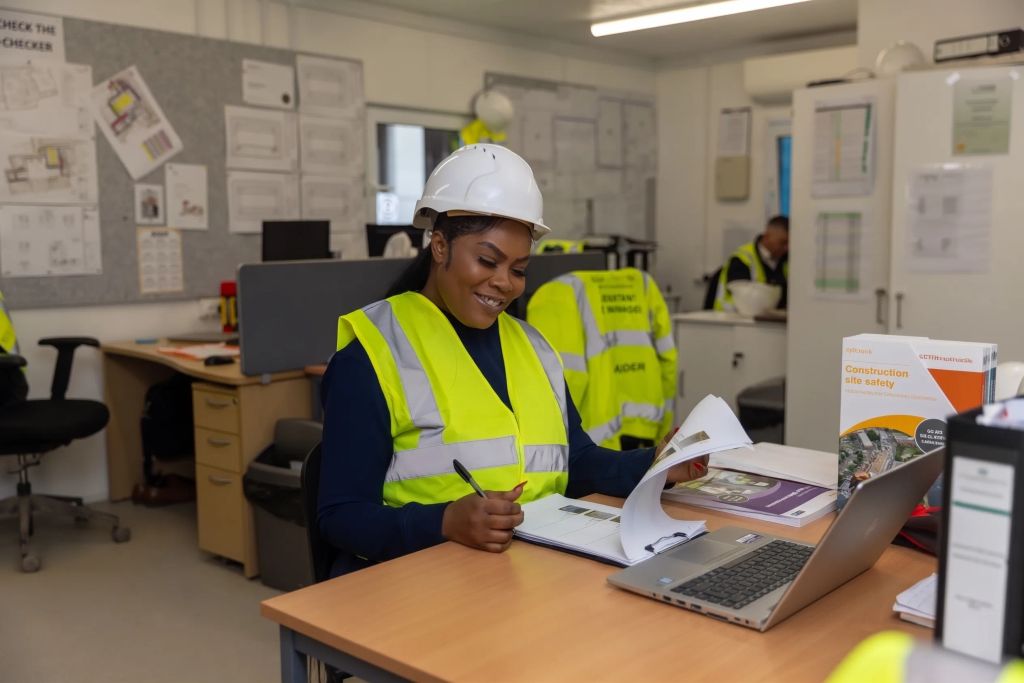
Commercial
Quantity surveying, estimating and buying.
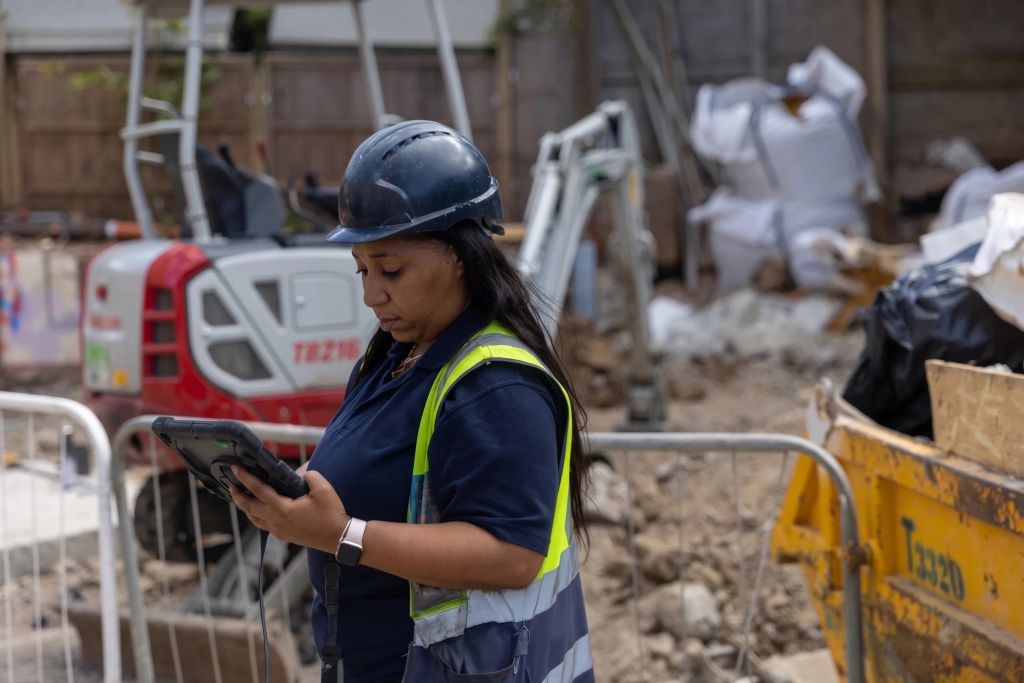
Technical & Design
Engineering, architectural and technical coordination roles.
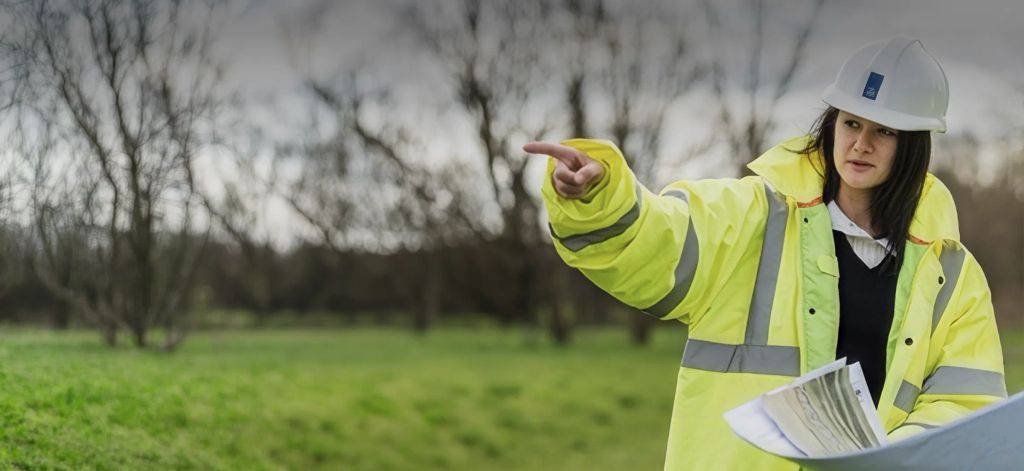
Land
Land acquisition and development roles.
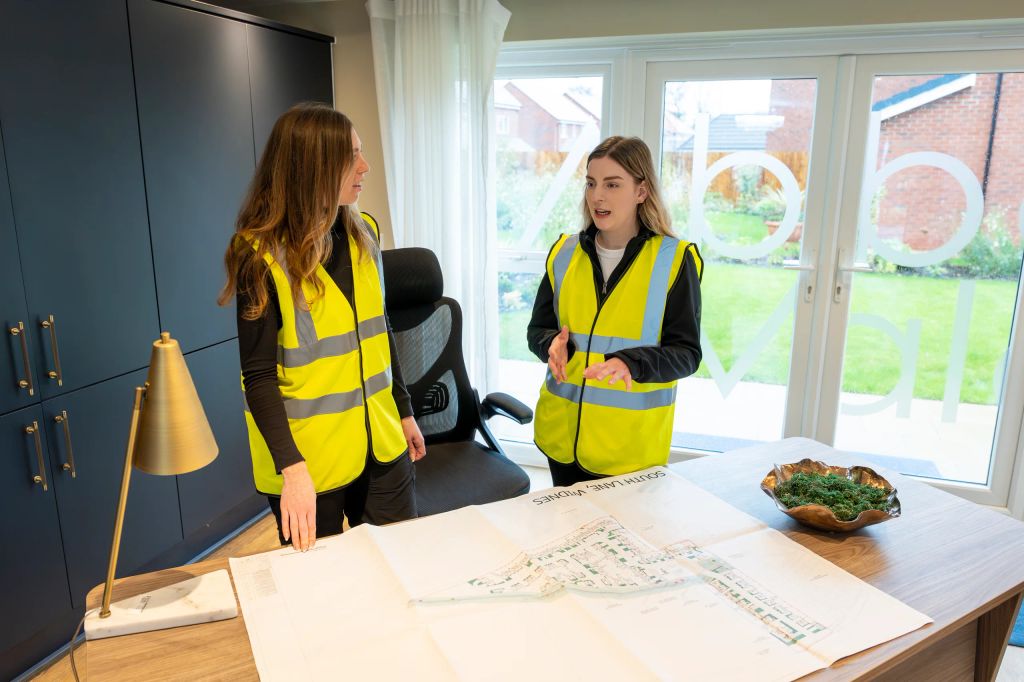
Planning
Planning and development-related roles.

Finance
Accounting, finance and commercial analysis.
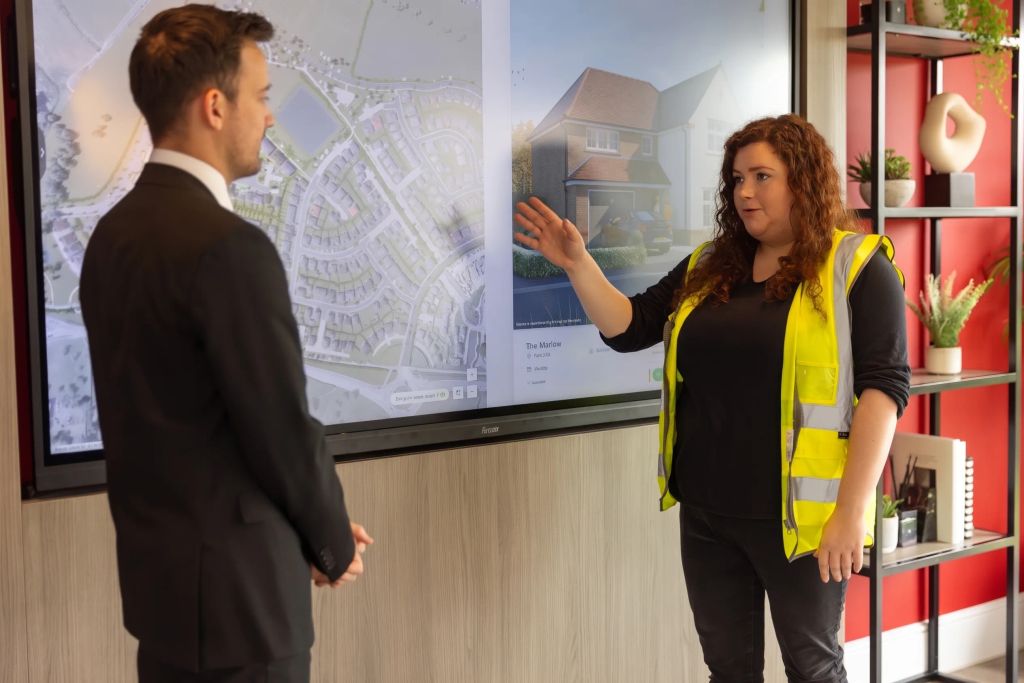
Sales & Marketing
Sales, marketing and customer-focused roles.

Human Resources
Recruitment, people operations and learning and development.
Graduate schemes and direct-entry roles
A structured graduate scheme may offer planned development, mentoring, experience across teams or professional training. The format and duration depend on the employer and the role. Some programmes focus on one discipline, while others offer experience across several departments.
You can also start through a direct-entry graduate, assistant or junior professional role. This may give you an opportunity to build experience in a particular specialism from the outset. Compare the responsibilities, support and development opportunities described in each vacancy rather than relying on the job title alone.
What qualifications do you need?
Entry requirements depend on the occupation and employer. Some technical, surveying, planning and professional roles may ask for a degree in a relevant subject or a particular accredited qualification. Other opportunities may welcome applicants from a wider range of degree disciplines.
Employers may also look for problem-solving, teamwork, communication, organisation and an interest in the built environment. University projects, part-time work, volunteering and placements can help demonstrate these skills. Always check the individual vacancy, including any professional accreditation requirements, before applying.
How to find and apply for graduate opportunities
There is no single recruitment process across the industry. Some house builders advertise annual graduate intakes, while others recruit for individual roles as vacancies arise. Start early enough to check deadlines, but remember that opportunities can open at different times of year.
Choose the roles that match your interests before researching employers.
Check their official careers pages for graduate programmes and early-career roles. Register your interest to receive updates and entry dates.
Check degree requirements, locations and closing dates before applying.
Use specific examples of relevant skills from university projects, work or volunteering.
Be ready for interviews, assessments or presentations where required.
Where could your graduate career take you?
Your first graduate role is only one stage of a longer career. As you gain experience, you may deepen your technical expertise, work towards professional recognition or move into management. The opportunities available will depend on your chosen discipline, employer and development goals.
Meet graduates working in house building
Find out how other graduates took their first steps into the industry. Their experiences can offer a useful perspective on choosing a role, applying for opportunities and developing confidence at work.
Graduate careers in house building FAQs
Depending on the employer, graduates may find opportunities in construction management, quantity surveying, engineering, design, land, planning, finance, sales and other business functions. Some employers run formal graduate programmes; others recruit into individual early-career roles. Check current vacancies for the positions available.
Not always. Some specialist roles require a relevant qualification, while other graduate opportunities may accept degrees from a broader range of subjects. The important thing is to check each employer’s criteria and show how your knowledge and skills relate to the role.
A graduate scheme is usually a structured development programme that may include mentoring, training or experience in different teams. A graduate job is an entry-level professional role that may be more focused on one area. The support and progression available vary, so compare the details in each vacancy.
You may be able to. Requirements differ between employers, and some opportunities are designed for people beginning their careers. Use examples from university projects, societies, volunteering or part-time work to demonstrate transferable skills. Placements or relevant experience can help, but are not always essential.
Start with house builders’ official careers websites and check for graduate programmes as well as assistant and junior roles. Recruitment periods and locations vary. Use Find a house builder to identify employers to research, then follow their current application instructions.
Start your graduate career in house building
Whether you are considering a structured graduate scheme or a direct-entry role, the next step is to explore employers and find opportunities that suit your interests, skills and qualifications.