
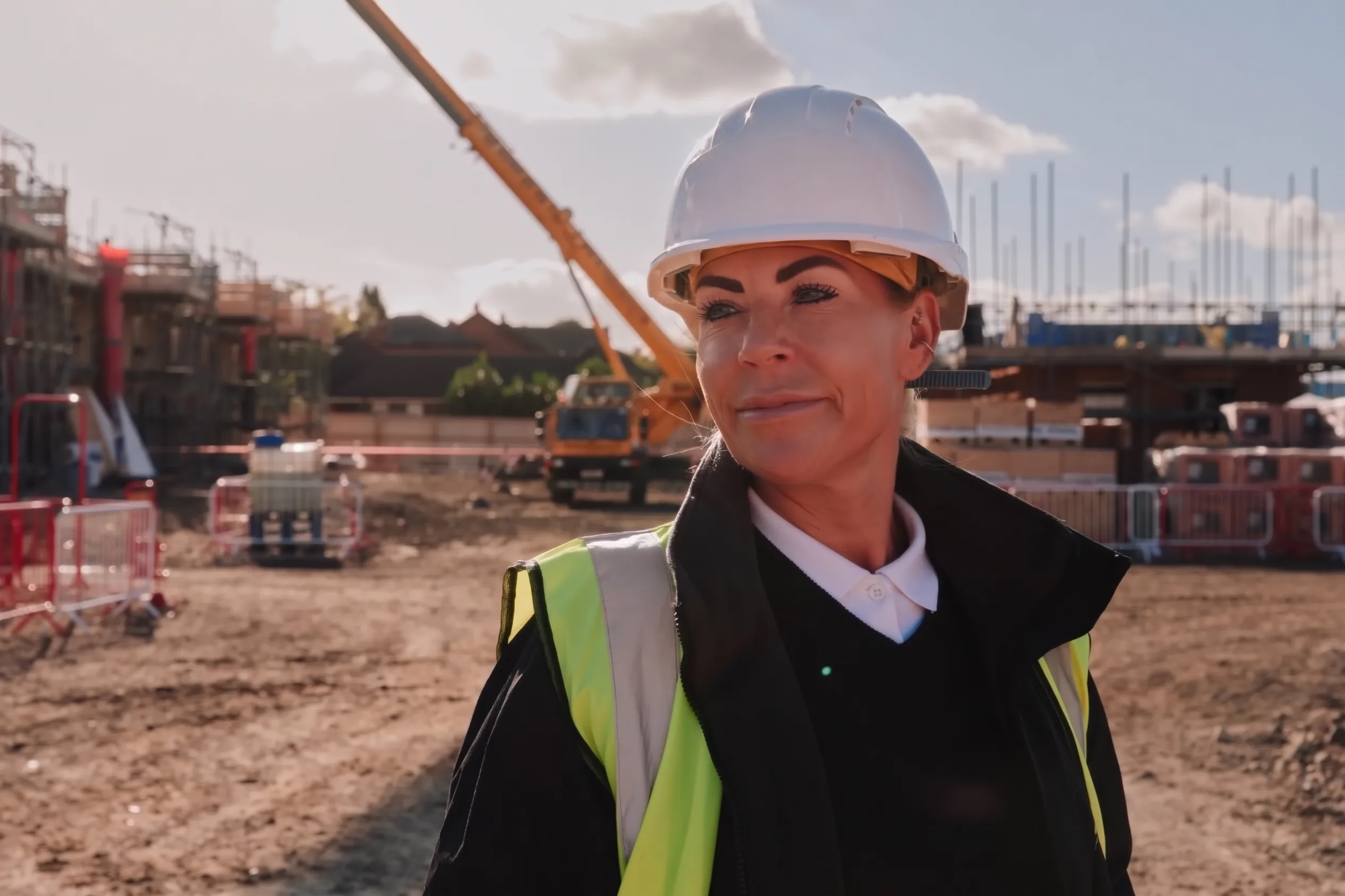
Change career into house building
You do not necessarily need a background in construction to get started. Explore where your existing skills could fit and how to take your next step.
Why consider a career change into house building?
Building new homes takes many different teams, from planning and design to construction, sales and customer care. That variety means a career change does not always involve starting again. You may be able to build on what you already know while learning how the house building industry works.
- Use existing strengths – bring communication, organisation, technical or commercial skills into a new setting.
- Explore different kinds of work – opportunities range from site-based occupations to office-based and customer-facing roles.
- Keep developing – training and experience can help you move into a new specialism or take on greater responsibility.
Where could your skills fit?
Think about the work you enjoy and your previous experience, not just your current job title. These examples are starting points for research, not guaranteed routes into particular jobs.
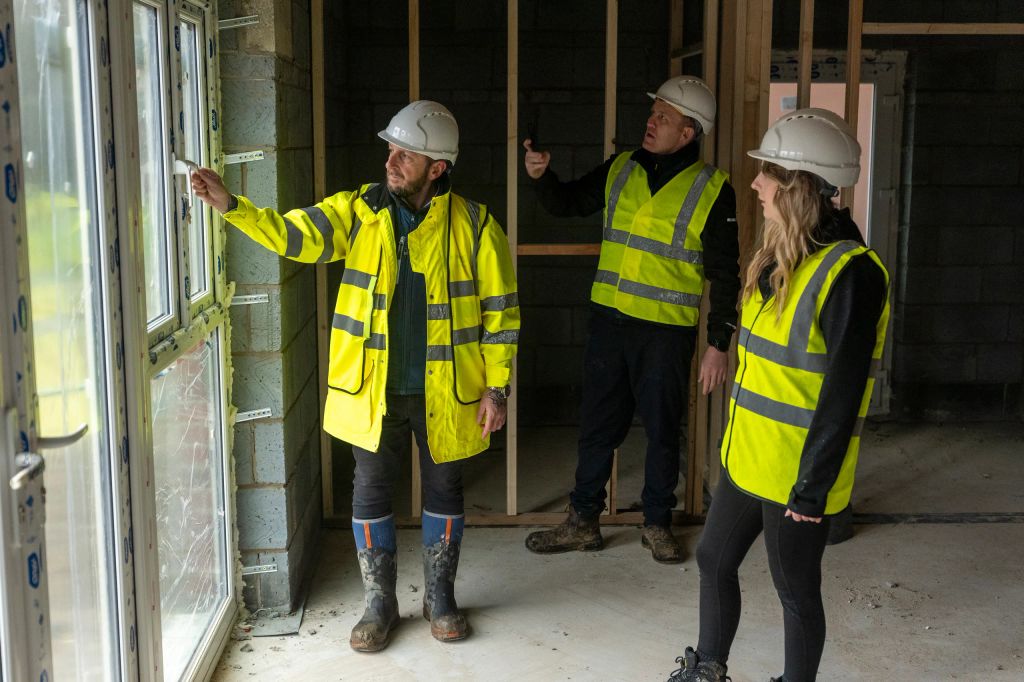
Project or operations management
Explore Construction — site coordination or construction management.
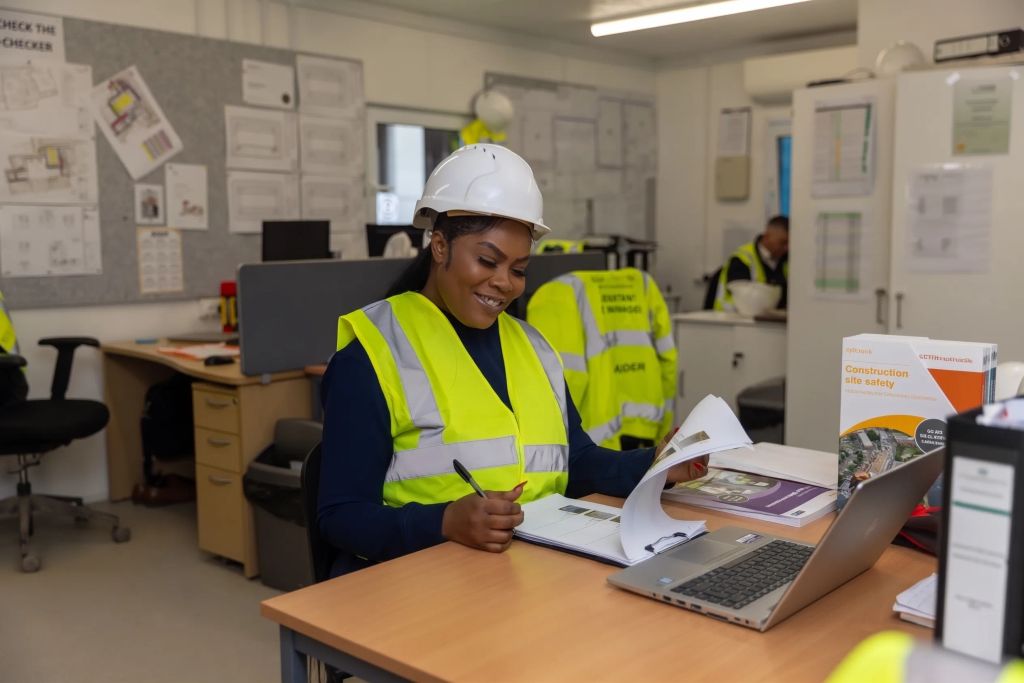
Budgeting, purchasing or analysis
Explore Commercial — estimating, buying or quantity surveying.
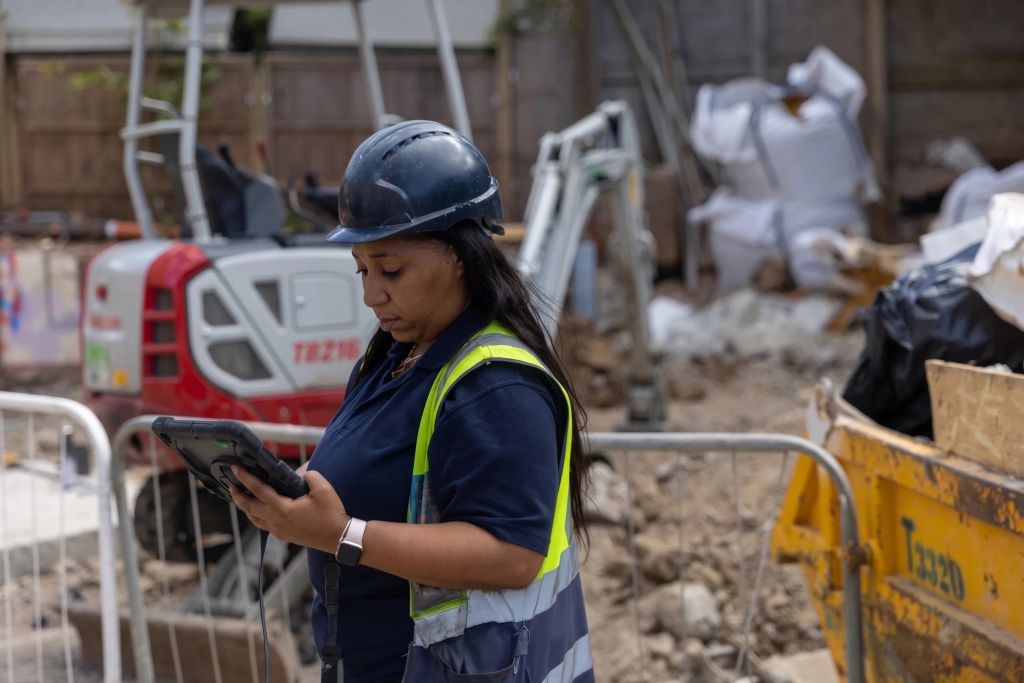
Engineering, CAD or design
Explore Technical & Design — technical coordination or design-related roles.
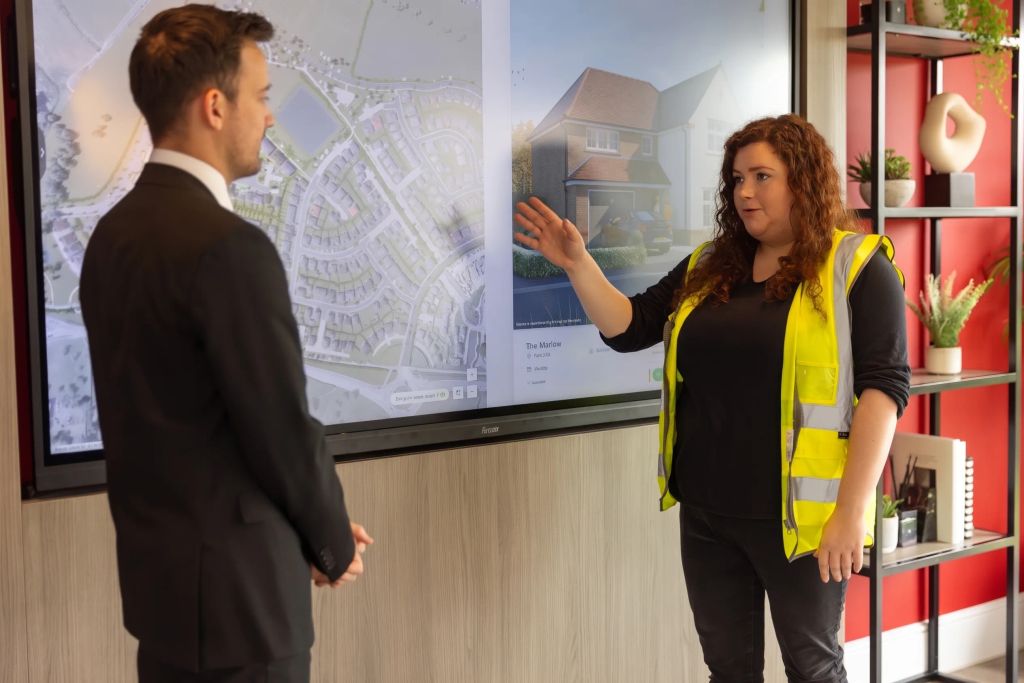
Sales or account management
Explore Sales & Marketing — new homes sales or marketing.

Customer support or service delivery
Explore Customer Service — customer care and aftercare.

Accounting or business finance
Explore Finance — finance and reporting roles.

Recruitment or people management
Explore Human Resources — HR and people development.
Do you need construction experience or qualifications?
Not always. Some roles welcome relevant experience from other industries, while others require specific qualifications, technical competence or supervised training. Requirements differ between employers and occupations, particularly for regulated or safety critical work. Read individual job profiles and vacancies carefully before deciding whether you can apply directly or need to retrain.
If you are interested in a practical trade, look into the training and experience needed for that occupation. If you are considering a professional role, check whether an accredited qualification or professional membership is expected.
How can you retrain or enter the industry?
There is no single route for career changers. Depending on the role and your experience, you might apply for a suitable entry-level position, move into a related role that uses your existing skills, take a relevant course or pursue work-based training. An apprenticeship can also be an option for adults who meet the programme and vacancy requirements.
Where a qualification or licence is needed, check current requirements with the employer or the relevant official professional or training body. Avoid paying for training before confirming that it is suitable for your intended role.
You may also be interested in the Women into Home Building programme.
How to make the move into house building
A little focused research can make a career change feel more manageable. Start with the role, then work backwards to the experience and skills you need.
List the skills and achievements you could transfer into a new role.
Read job profiles and compare the day-to-day work with your interests.
Look at current vacancies to understand qualifications, training and experience.
Explain clearly why you want to change careers and give evidence of relevant skills.
Check house builders’ careers websites for opportunities and recruitment processes.
Where could a career change take you?
Your first role in house building does not have to be your final destination. As you gain industry knowledge, you may deepen your specialist skills, move between related teams or work towards management. Progression depends on the occupation, opportunities, experience and any further training required.
Are you ex-military? Find out more.
Are you a woman looking for a career change who wants to learn more about house building? Find out more.
Hear from people who changed careers
A change of direction can look different for everyone. Discover how people have brought experience from other backgrounds into house building and what helped them settle into their new roles.
Career change into house building FAQs
Start by exploring the roles that interest you and comparing their requirements with your existing skills. Some employers may value experience from other industries, while other jobs require training or qualifications. Research current vacancies, identify any gaps and tailor your application to explain why you want to make the move.
Communication, teamwork, planning, customer service, problem-solving, financial awareness and project coordination can all be useful, depending on the role. Technical or management experience may also transfer. The important step is to connect your skills to the responsibilities listed in a specific job description.
Not for every job. House building includes roles in finance, HR, sales, customer service and other functions, as well as construction. However, site-based and specialist roles may have particular training, safety or qualification requirements. Check the individual vacancy rather than assuming every role has the same entry route.
Yes. People can explore a career change at different stages of working life. Suitable routes depend on the occupation, your circumstances and the opportunities available. Options may include relevant courses, work-based learning, apprenticeships for eligible adults or roles that make use of your existing experience.
Yes. Apprenticeships are not only for school leavers, and there is no general upper age limit in England. You must still meet the current eligibility conditions and the requirements of the vacancy. Check official apprenticeship guidance and compare the programme with your experience and career goals.
Take your next step into house building
Whether you want to build on your existing experience or train for something new, start by finding roles that interest you and employers working in your area. Your next career could begin with a conversation, an application or a new qualification.