

Why work in house building?
A chance to help create the places where people live, grow and make memories — with more variety than you might expect.
Build something that matters
There is something tangible about helping turn plans into homes. You might prepare the ground, design a layout, coordinate a construction programme or guide a customer through buying a property. Your work contributes to a finished place that people can see and use.
House building is a team effort, so the result is rarely down to one person. But seeing a development take shape can make it easier to understand how your own skills have made a difference.
There's a career for different interests and skills
Building a new home involves much more than the construction work you see on site. Before building begins, land and planning teams identify suitable locations and help shape proposals. Architects, designers and technical specialists turn those plans into detailed designs, while commercial teams manage costs, materials and contracts.
Construction teams then bring the homes to life, supported by site managers, skilled tradespeople and suppliers. Sales and marketing teams help customers find their new homes, while customer care colleagues provide support after people move in.
From the first plans to the final handover, every stage needs different skills, creating opportunities for people with a wide range of interests and backgrounds.
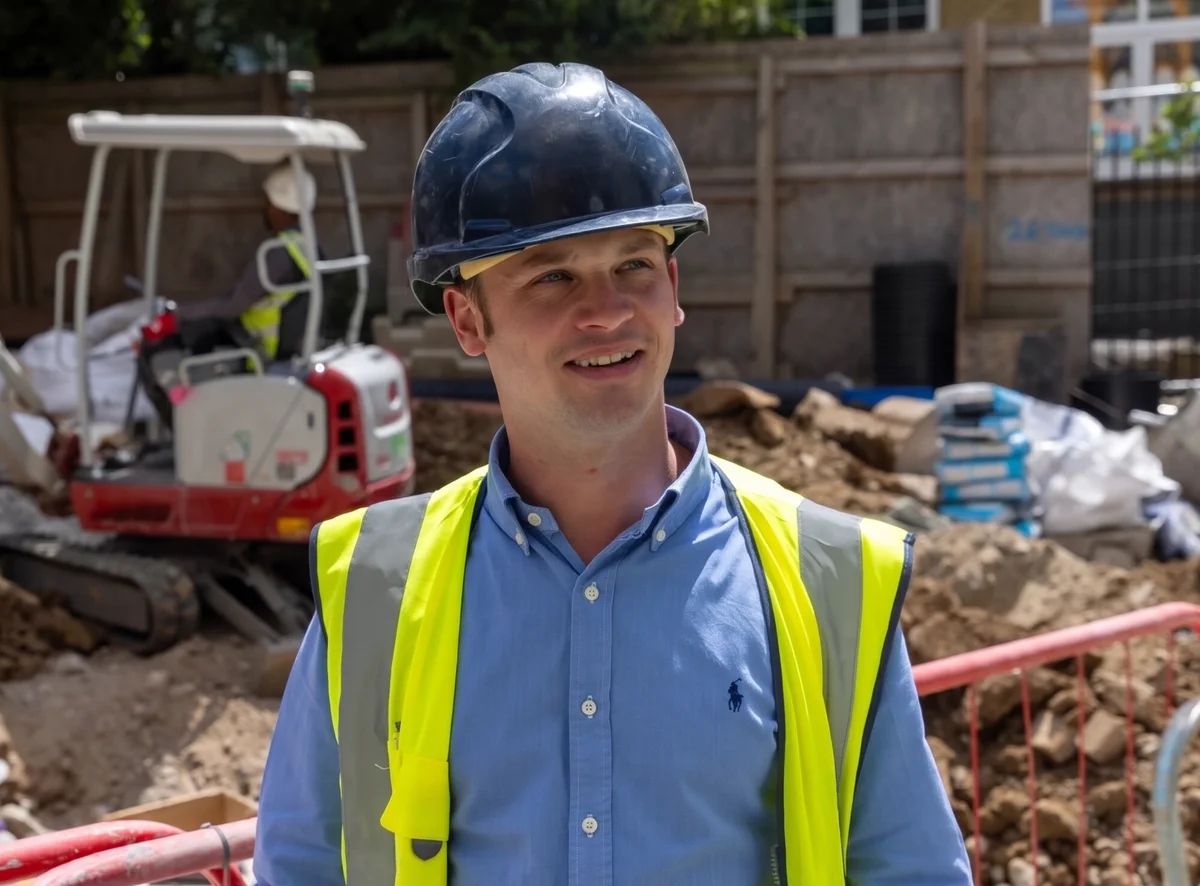
Make a difference to the future of housing
New homes are part of wider communities. Decisions about land, design, infrastructure and construction influence how places function and how people experience them. Careers in house building can involve balancing practical needs with the quality of homes and the places around them.
If you want to understand the bigger picture, explore our guide to the house building industry, including the different stages involved in creating a development.
Be part of a changing industry
The way homes are planned, designed and built continues to evolve. Energy efficiency, building performance, digital design, new materials and modern construction methods all create challenges for teams to solve. The exact technologies used will vary by employer and project, but adapting and learning are important across the sector.
Work with people, in different environments
Building homes brings together people with different expertise. Site teams work alongside designers, surveyors, suppliers and managers; social value, sales and customer care teams support customers and the community. Communication, planning and teamwork matter just as much as specialist knowledge.
Not every house building career is based on a construction site. You could work outdoors, in a regional office, at a sales centre, in a design or technical team, or across several locations.
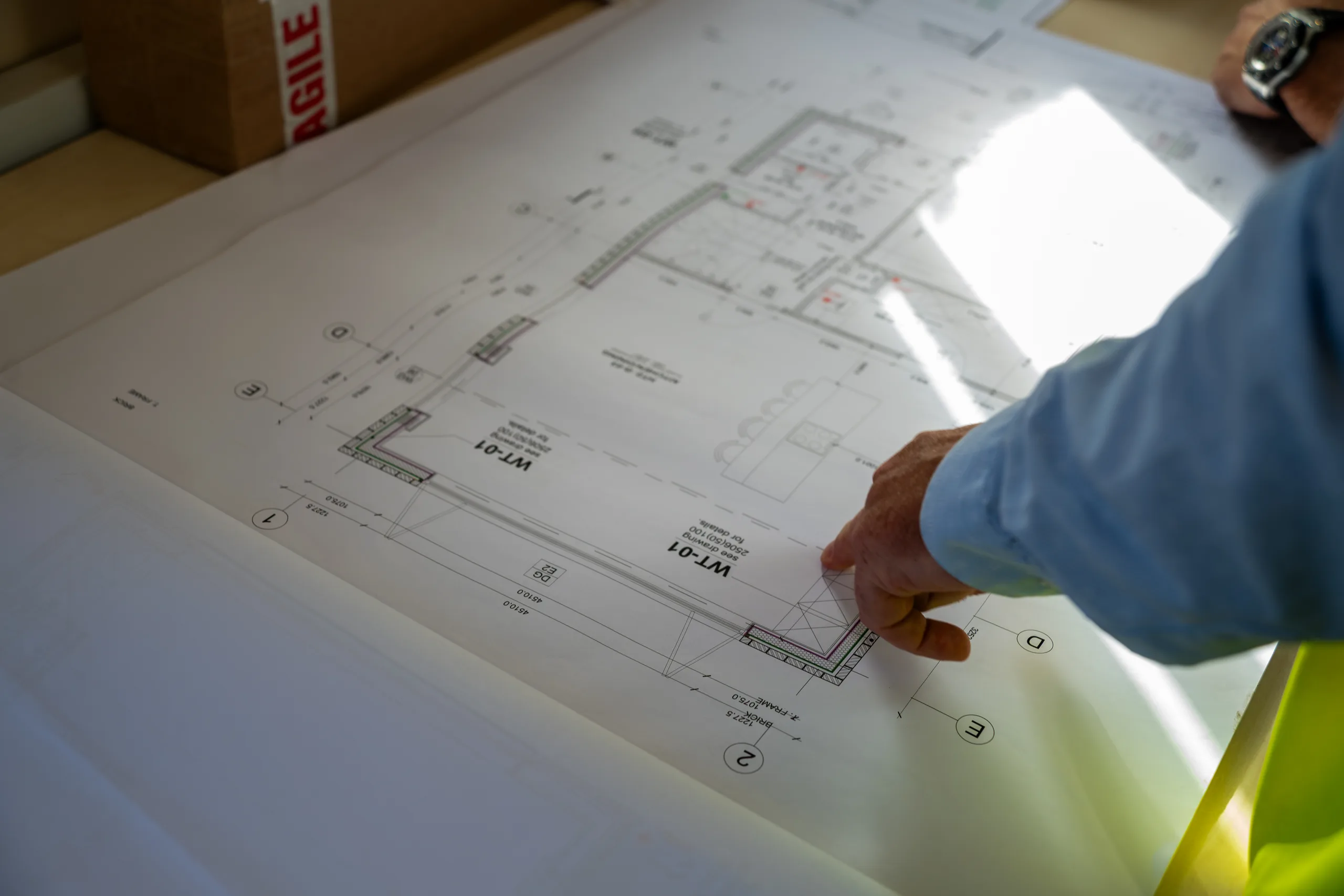
Meet people building their careers
A job title only tells you so much. Real career stories can show you how people found their way into house building, what their work is like and how their careers have changed as they gained experience.
Is house building right for you?
Think about what motivates you. There is no single personality or qualification that fits every career in the industry — start with your interests and strengths, then compare a few roles.
Construction and skilled trade careers on new-house developments could suit you — explore On Site and Construction.
Look at Technical & Design or Planning, where teams turn ideas into practical, buildable designs, along with Site Manager and Quantity Surveyor roles.
Consider Sales & Marketing or Customer Service, supporting customers through their move and beyond, along with Training Manager and Health & Safety lead roles. Meet the community and become part of a social value team.
Explore Finance and Commercial, the teams that keep developments on budget and on track, along with Quantity Surveyor, Legal Executive and Human Resources roles.
Explore your options
If house building sounds interesting, your next step could be finding a role, exploring an entry route or discovering employers. Apprenticeships can combine paid work with training, while graduate and other entry-level opportunities offer different ways to begin. Experienced workers may also find their existing skills useful in a new career.
You do not need to decide everything today. Explore the possibilities, check what each role requires and use official employer information when you are ready to look for opportunities.