
Job department
On-Site
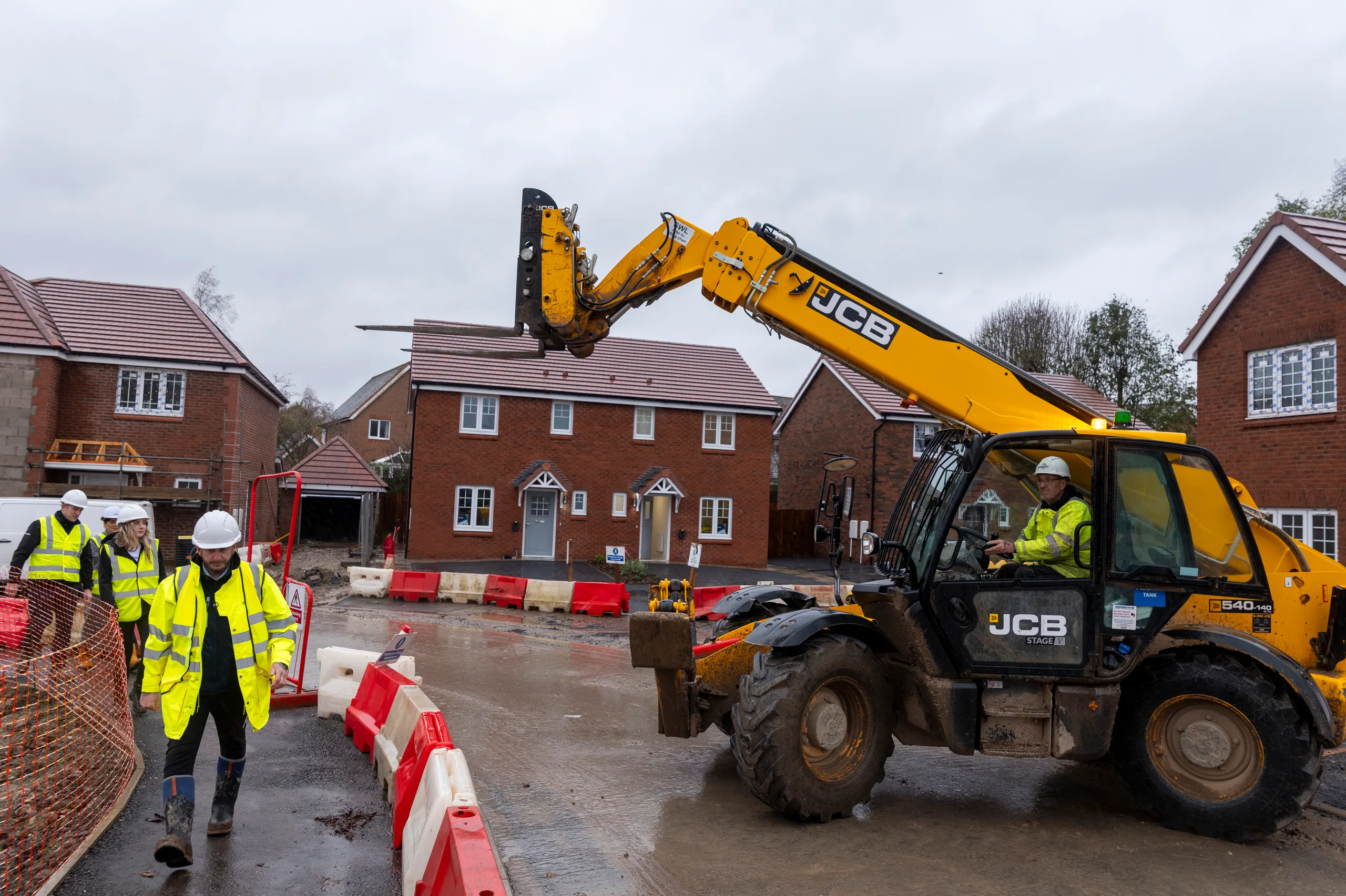
On-site teams are the people who bring new homes to life.
From preparing the ground to installing services and finishing rooms, their work can be seen across every stage of a development. If you prefer active work, enjoy using tools or like being part of a team that creates something lasting, explore the opportunities on-site.
What does the On-site team do?
Working on-site means contributing directly to the construction of homes and the spaces around them. Groundworkers prepare foundations and drainage, bricklayers build walls, electricians install electrical systems and other trades complete specialist tasks. Site supervisors and managers help coordinate activities so teams can work safely and efficiently. The working day may involve moving around a live development, following drawings and specifications, using equipment and working alongside different trades. Conditions vary with the task, the weather and the stage of the build. Safety procedures and suitable training are essential.
Is a career in On-site right for you?
On-site work may appeal to you if you like being active, learning practical skills and working with your hands. Precision and patience matter, whether you are measuring materials, installing components or checking finished work. You will often work alongside other trades, so communication and reliability are important. Some positions are physically demanding, while others focus on supervision and coordination.
How can you get started in On-site?
Apprenticeships are a common route into skilled trades because they combine practical experience with training. College or other vocational courses may also help you prepare, and some employers offer entry-level opportunities. Site supervision typically requires relevant experience and further development. Training, competence and site-access requirements differ by role, so check the specific job guide and employer expectations.
Career progression in On-site
Many people build expertise in a trade, then develop into more specialist or supervisory work. Depending on the role, experience and additional training may open opportunities to lead a small team or move into site management. For example, someone with extensive site experience might pursue a Site Manager position, although this is not an automatic next step.
Explore more ways to develop your career through the career progression guide.
Explore your next step in On-site
Explore individual job roles to compare opportunities, then find a house builder to learn about employers and possible openings.
Frequently asked questions about on-site careers
Site management is the coordination of day-to-day construction activity on a development. Site managers organise work, monitor progress, support safe working and check quality. They work with trades, contractors and other departments. It is a supervisory and management role rather than a single skilled trade.
First explore the type of work you want to do, such as a trade, groundworks or site supervision. Apprenticeships and vocational training are common starting points for many practical roles. Employers may require appropriate health and safety training or evidence of competence before you carry out particular tasks.
Housing sites bring together groundworkers, bricklayers, carpenters, electricians, plasterers and other specialist trades. Site managers and supervisors coordinate work, while technical and health and safety professionals may visit to provide support. Different roles are needed at different stages of the build.
Not always. Some apprenticeships and entry-level opportunities are designed for people who are new to the industry. Other jobs, particularly specialist trades and supervisory positions, require training, proven competence or experience. Check each role guide and vacancy for the specific expectations.
