
Job
Carpenter
- Department
- On-Site
- Earning potential
- £24,000–£40,000
- Training time
- Level 2 Carpentry and Joinery apprenticeships: typically 24 months, plus a 3-month assessment period
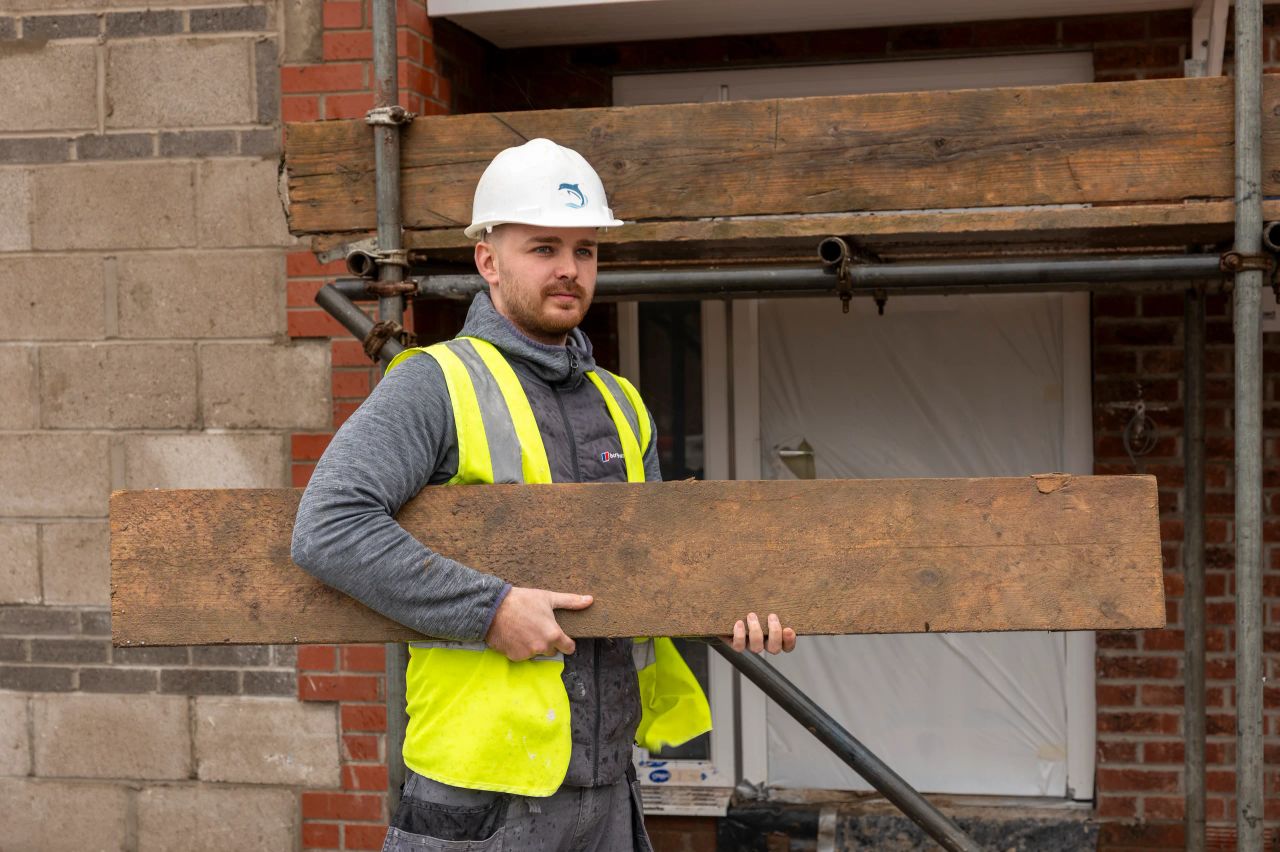
Carpenters help turn the structure of a new house into a safe, practical home.
They fit timber components at different stages of construction, from floor structures and roof timbers to doors, stairs and skirting boards. Their measurements and workmanship affect how well later trades can do their jobs.

The mix of learning at college and practical work on site is really good and everyone on site is great to work with. I couldn’t ask for more.
Richard
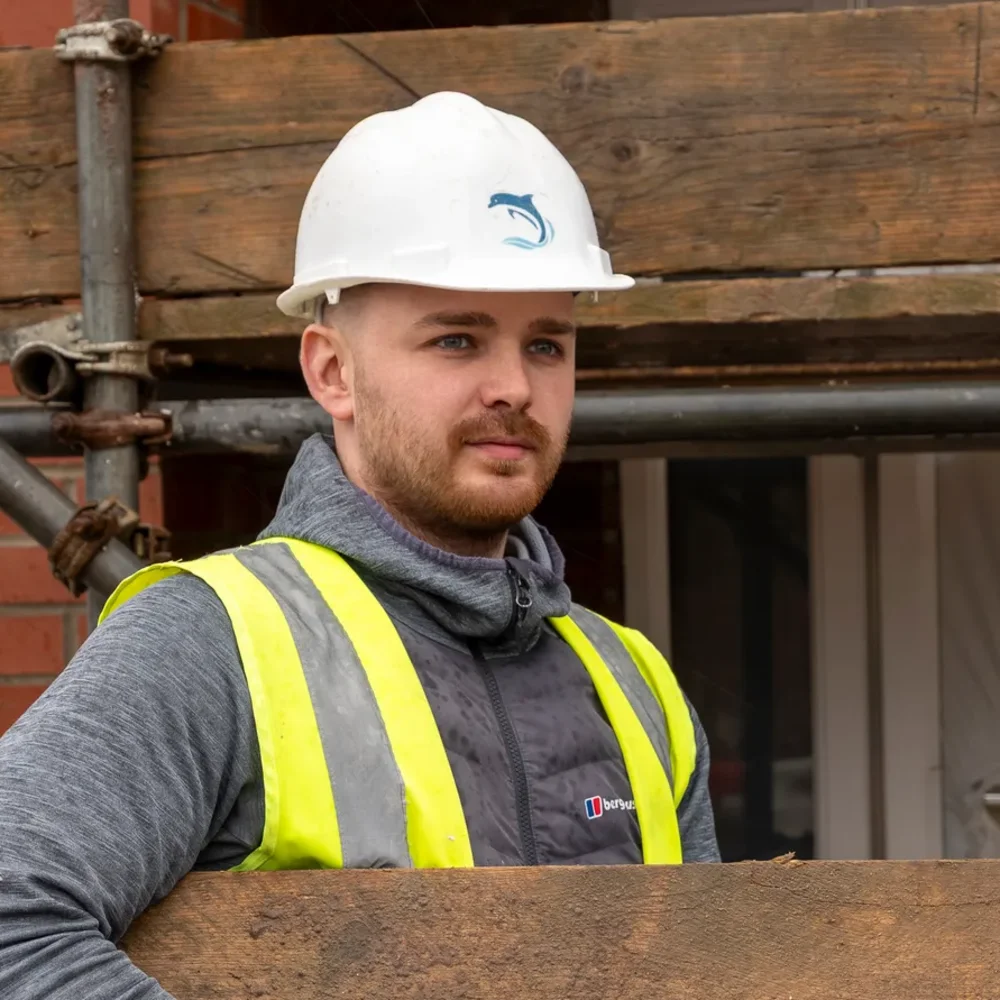
Carpenter introduction
Carpenters help turn the structure of a new house into a safe, practical home. They fit timber components at different stages of construction, from floor structures and roof timbers to doors, stairs and skirting boards. Their measurements and workmanship affect how well later trades can do their jobs.
The role of a carpenter in house building
On a housing development, site carpenters read drawings, select suitable materials and install timber components accurately. First-fix work can include joists, partitions and roof-related timber; second-fix work brings precision to doors, architraves, skirting and other visible finishes. They coordinate with site managers and other trades so each stage is ready for the next.
A day in the life of a carpenter
A carpenter may start by checking drawings and the work area, then measure, cut and fit timber using hand and power tools. The day could involve setting out internal partitions, fitting door linings or completing detailed finishing work in homes approaching handover. Keeping the work safe, checking levels and protecting completed surfaces are all part of the job.
Skills for a carpenter
The following skills are particularly useful when working on residential developments.
- Accurate measurement — Timber components must fit the design and align with adjoining work.
- Practical tool skills — Cutting, fixing and finishing demand confident, safe tool use.
- Drawing interpretation — Plans and specifications guide dimensions and installation details.
- Attention to detail — Neat second-fix work is highly visible to home buyers.
- Teamwork — Carpenters coordinate with dry liners, electricians, plumbers and site managers.
- Safety awareness — Cutting equipment, manual handling and working at height require care.
Routes into carpenter work
A common route is a Level 2 Carpentry and Joinery apprenticeship specialising in site carpentry. College courses in site carpentry and construction can also help you gain practical skills before applying for a trainee role. Some people enter through an onsite foundation apprenticeship and then progress into a trade apprenticeship.
Qualifications and training
The current Skills England Level 2 Carpentry and Joinery standard includes a Site Carpenter option. Its typical duration is 24 months, followed by a typical three-month assessment period. More advanced craft training is also available at Level 3. A Construction Skills Certification Scheme (CSCS) card or appropriate equivalent may be needed for site access, depending on the work and employer.
Carpenter pay and earning potential
The National Careers Service gives an indicative annual salary range of £24,000–£40,000 for carpenters and joiners. Actual earnings vary by region, experience, hours, employer and whether you are employed or self-employed.
Career progression
With experience, a carpenter may become a lead carpenter, foreperson or carpentry supervisor, taking responsibility for quality, materials and a small team. Further supervisory training and experience can support a move into broader site management, although that is a separate step rather than an automatic promotion.
Explore our career progression guide to understand how training and experience can open up further opportunities.
Find carpenter opportunities
Look for site carpentry apprenticeships, trainee carpenter posts and experienced carpenter vacancies with house builders and their specialist contractors. Employers may describe openings as first-fix or second-fix carpentry roles.
Carpenter FAQs
A carpenter is a skilled tradesperson who measures, cuts and installs timber components. In house building, that can mean structural and internal work, from joists and partitions to doors and skirting.
Carpenters work from plans to prepare and fit timber at several construction stages. They check measurements, use tools safely and coordinate with other trades to deliver accurate, durable work.
A Level 2 Carpentry and Joinery apprenticeship is a well-established route. College training or a foundation apprenticeship may also help you gain the skills to secure a trainee position.
The National Careers Service gives an indicative range of £24,000 to £40,000 a year. Earnings can vary with experience, location, overtime and employment arrangements.
The skills overlap, but site carpenters mainly install components on developments, while architectural joiners typically manufacture timber items such as doors and staircases in a workshop.
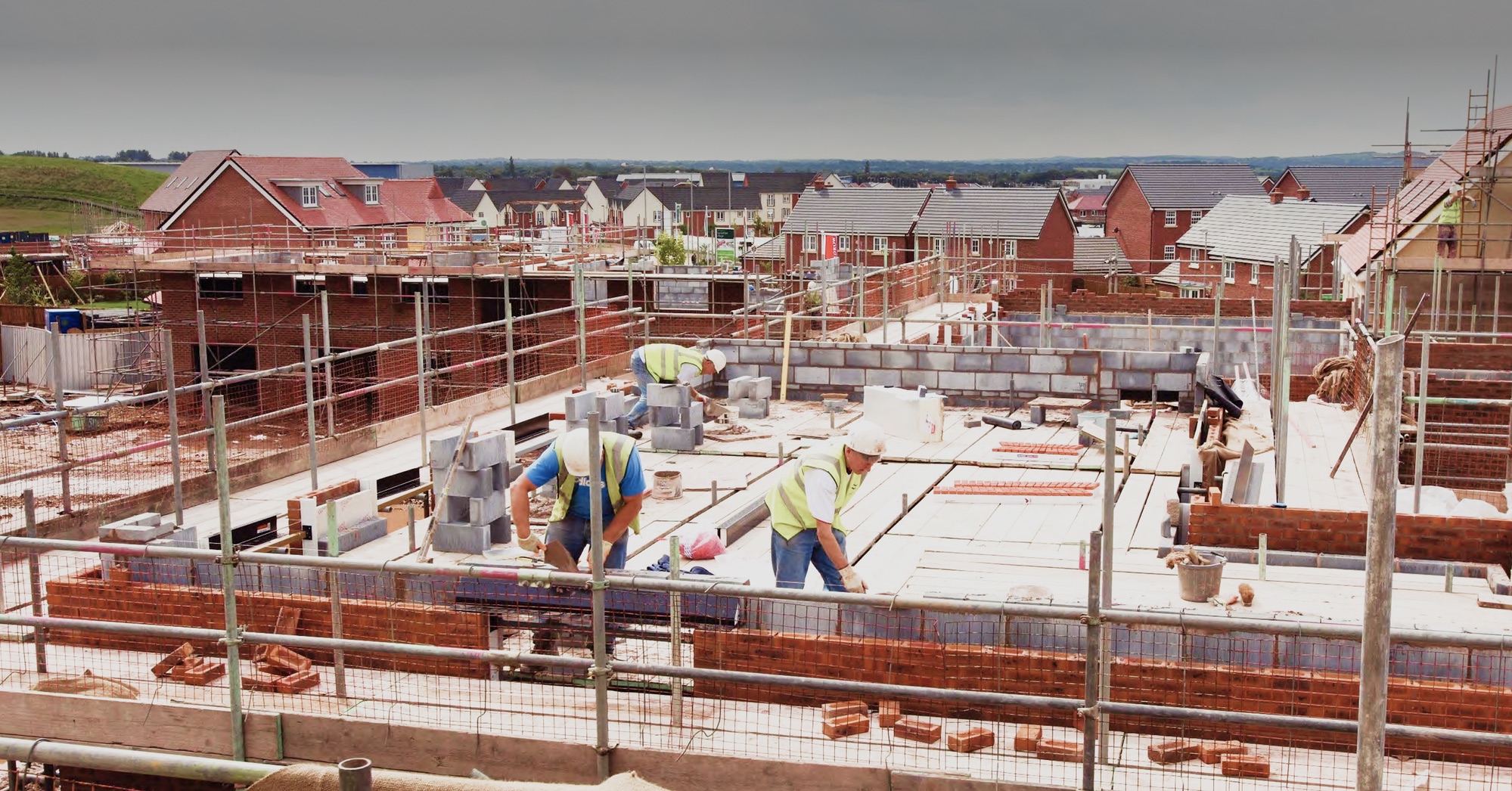
Carpenter career path
- Trainee Carpenter / Joiner
- Carpenter / Joiner
- Carpentry Supervisor / Foreman