
About the house building industry
House building is about much more than putting up walls and roofs. Discover how the industry works, why it matters and the many careers involved.
What does the house building industry do?
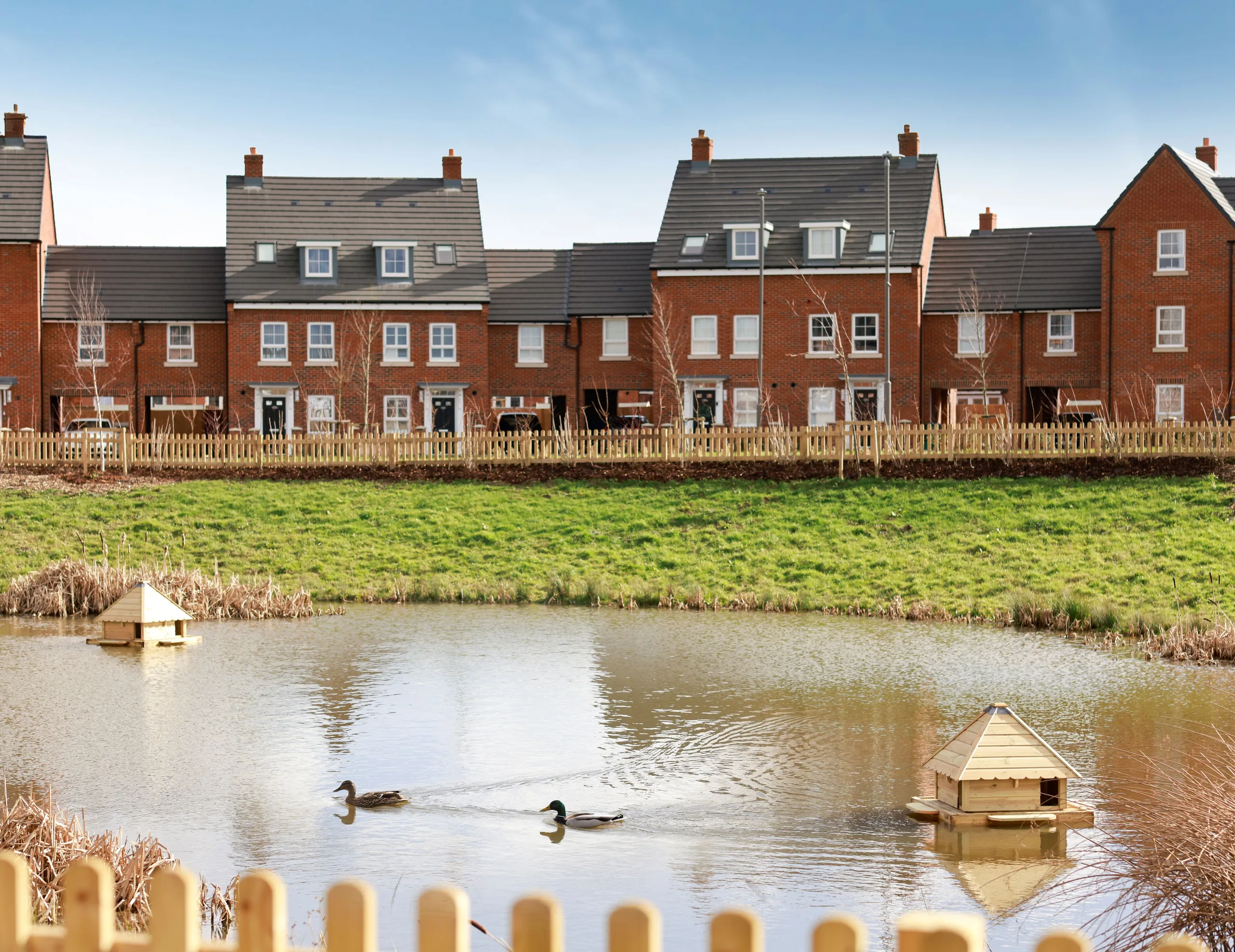
House builders develop new homes and residential communities. These range from individual houses and low-rise apartments to high-rise residential buildings, reflecting the different housing needs of towns, cities and communities. Their work can begin long before construction starts and continue after buyers have moved in. A development may involve roads, drainage, green spaces and other infrastructure alongside the homes themselves. It can also include shops, schools, community hubs and public spaces. House builders work with local authorities, communities, consultants, suppliers and specialist contractors to bring these plans together.
The industry includes businesses of different sizes and types. Some deliver developments across several regions; others concentrate on particular places or kinds of housing. Their teams may work on site, in offices, in sales centres or across a mixture of settings.
Building high-rise apartment homes
High-rise residential developments bring together many homes within one building, alongside shared entrances, communal spaces and services. Delivering these projects requires close coordination between specialists in design, structural engineering, building services, fire safety and construction. Teams plan how the building will function as a whole, as well as how individual homes will feel and work for residents. This creates opportunities for people with practical, technical and project management skills to contribute to new homes and communities.
How is a new home built?
Every development is different, but the journey from an idea to a completed home generally involves the stages below. They are not always strictly sequential: teams collaborate and work across several stages at once.
Land specialists assess potential sites, while planners and other experts consider local needs, environmental factors, infrastructure and the permissions required.
Architects, engineers and technical teams develop layouts, specifications and designs that must meet relevant requirements and respond to the site.
Commercial teams estimate costs, procure materials and services, manage contracts and plan how work can be delivered.
Groundworkers, tradespeople, site managers and other specialists prepare the site, construct homes, coordinate work and check safety and quality.
Marketing and sales teams explain developments, support prospective buyers and help coordinate the purchase and handover process.
Customer care teams respond to questions and issues after handover, working with colleagues and contractors where further work is needed.
What jobs are there in house building?
If you enjoy practical work, you might be interested in bricklaying, carpentry, groundworks or other site-based trades. If you prefer solving technical problems, design, engineering and surveying could appeal. There are also careers in land and planning, commercial management, finance, human resources, marketing, sales and customer service. High-rise apartment projects also draw on specialist expertise in structural engineering, building services and fire safety, alongside technical coordination and site management.
Some roles focus on one specialist discipline; others coordinate people and projects. Explore our career areas to see the different teams involved, or browse job roles for a closer look at day-to-day responsibilities and possible entry routes.
House building by the numbers
The Government has ambitious plans to invest in housing, create jobs, and build 1.5 million new homes.
208,600 new homes were built in 2024/25 in England & Wales which supported:
£46 billion of economic activity, including an additional £420 million in council tax.
Over £9 billion for Affordable Housing.
Around 734,000 jobs, including around 9,000 apprentices, graduates, or trainees.
£6 billion in spending in local shops.
£1.3 billion for infrastructure, including around £600 million for new and improved schools - enough to fund 34,000 school places.
£188 million for open spaces and leisure facilities, enough to fund 1,000 community games areas or more than 1,600 football pitches.
The house building industry is also helping to deliver the UK’s net zero ambitions by building increasingly energy-efficient homes.
New build homes are significantly more energy efficient than older properties, reducing
carbon emissions and household energy bills.
Key figures
The average new build home uses around 30% less energy than the average older property.
New build homes cost around £420 less a year to run than older homes on average.
Older homes produce around 50% more carbon emissions each year than new build homes.
How is the industry changing?
House builders are adapting to changing expectations around energy performance, sustainability, design and the way homes are constructed. Digital tools can support planning and project coordination, while different construction methods may change how components are made and assembled.
These developments create opportunities for people who are interested in technology, environmental performance, design and new ways of working.
What is it like to work in the industry?
Working life depends on the role. Some people spend much of their day outdoors on active building sites; others work in offices, design teams or customer-facing settings. Many jobs involve visits to different locations and regular collaboration with colleagues and external specialists.
Safety, communication and planning matter across the process. Whether someone is managing a development, calculating costs or supporting a homebuyer, their work connects with the efforts of other teams.
How can you become part of house building?
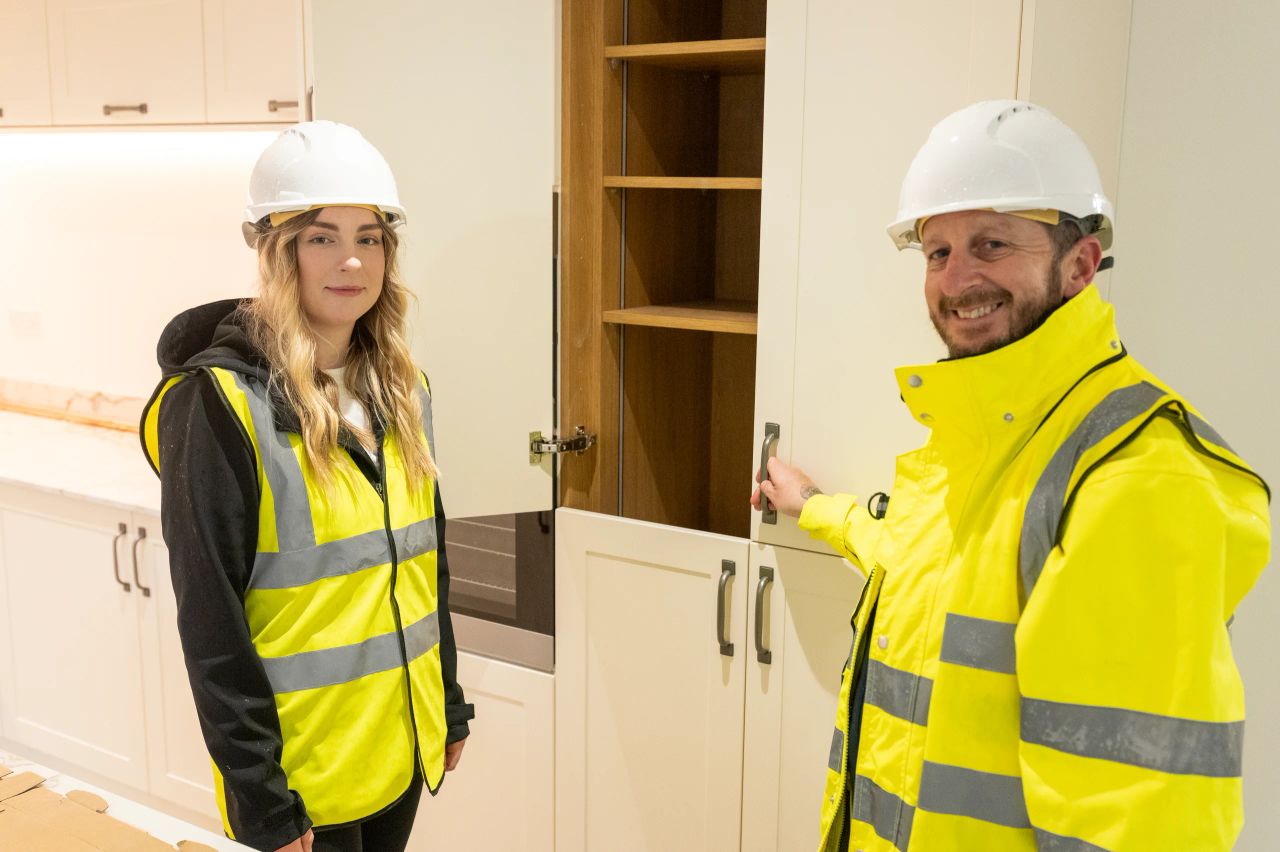
There is no single route into the industry. Depending on the role, you might begin with an apprenticeship, join a graduate programme, enter through a trainee position or bring skills from another sector. Some careers need particular qualifications or professional training, while others offer opportunities to learn on the job.