
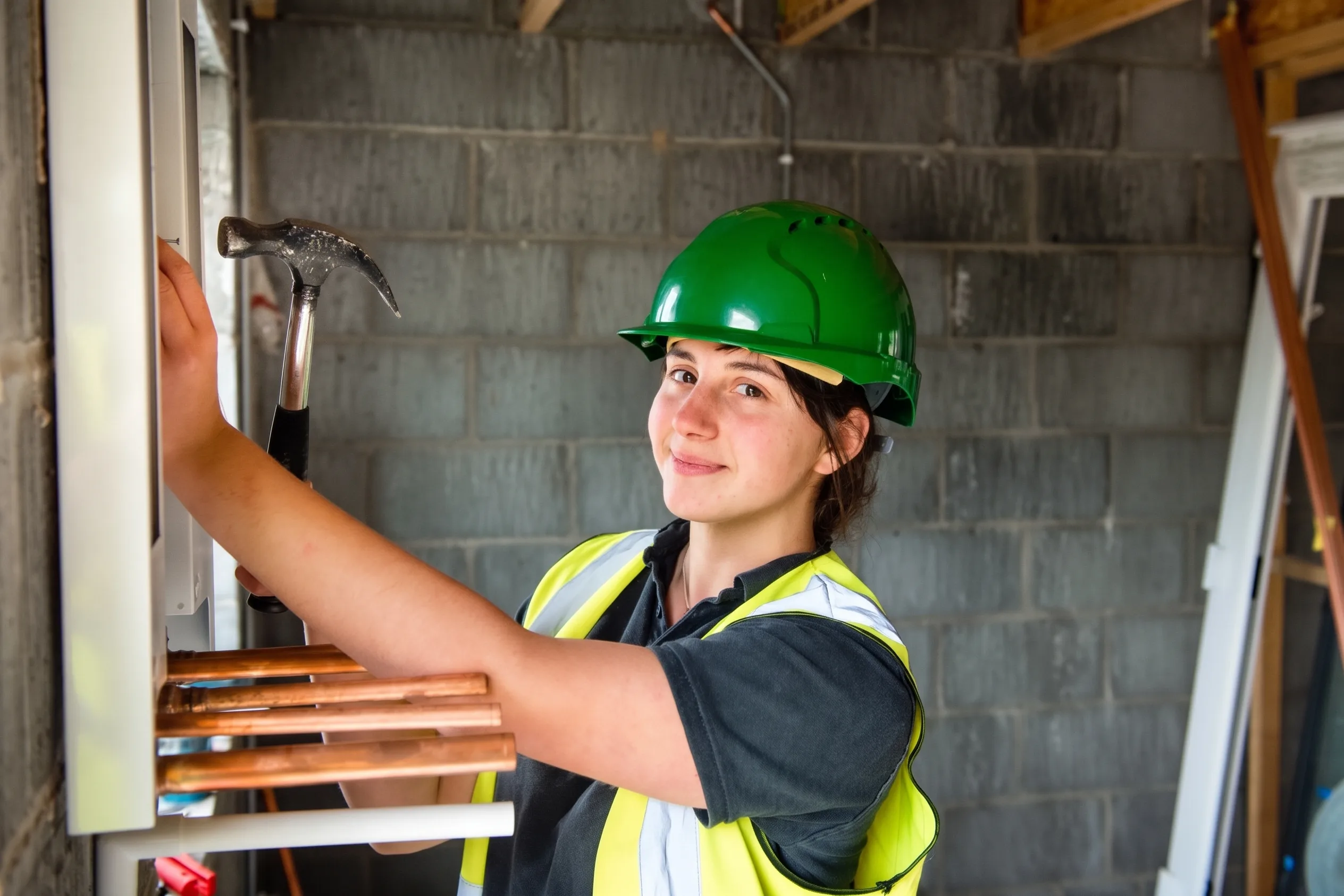
House building apprenticeships
Start your career while you work, train and get paid — in practical site roles as well as technical, commercial and business careers.
House building apprenticeships explained
An apprenticeship combines a real job with structured training. You are employed, earn a wage and build experience in the workplace while working towards the knowledge and skills required for your chosen occupation.
Training is part of the apprenticeship rather than something you have to fit around a separate job. Depending on the programme, learning might take place with a college or training provider, online, at your workplace or through a mixture of these. Read more about becoming an apprentice on GOV.UK.
Why choose an apprenticeship in house building?
University isn't the only route to a rewarding career. If you're weighing up your options after school or college, an apprenticeship offers an alternative where you can:
- Earn while you learn – you are paid as an employee.
- Build practical experience – training is linked to your work.
- Work towards recognised skills and qualifications.
- Learn from experienced people.
- Start building a career – with scope for further training and progression.
You can also explore apprenticeship opportunities through UCAS, alongside information about university and other study options.
Explore house building apprenticeships
House building needs many different skills, so apprenticeships are not limited to the traditional trades. Opportunities vary between employers and locations, but you may find routes across several career areas.
Construction
Bricklaying, carpentry and joinery, groundworks, plumbing and other site-based occupations.
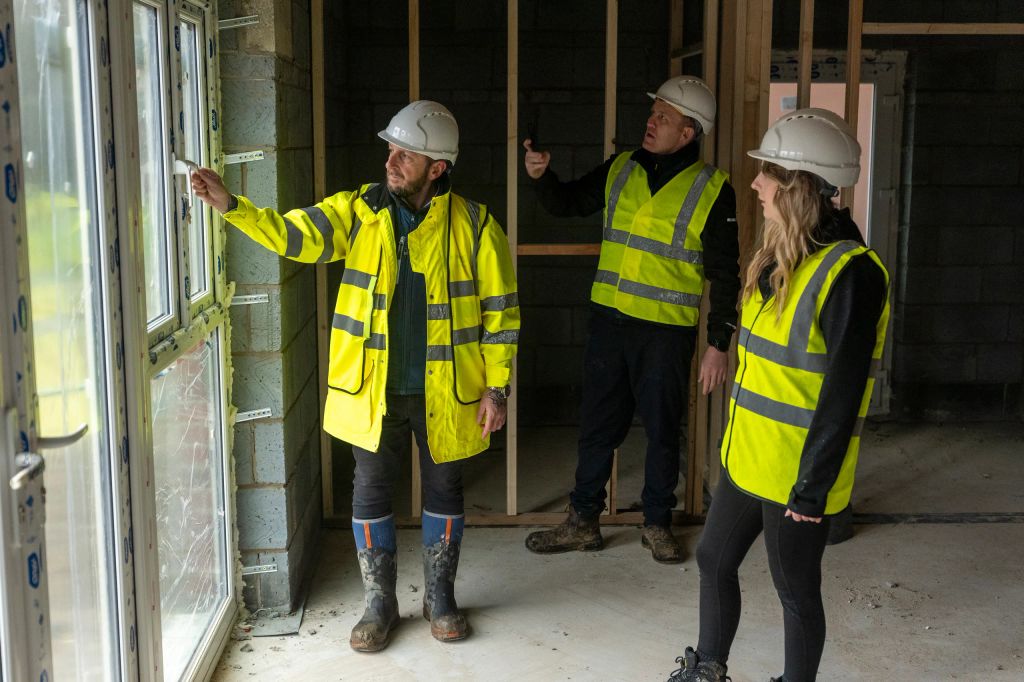
Commercial
Quantity surveying, estimating, buying and related commercial roles.
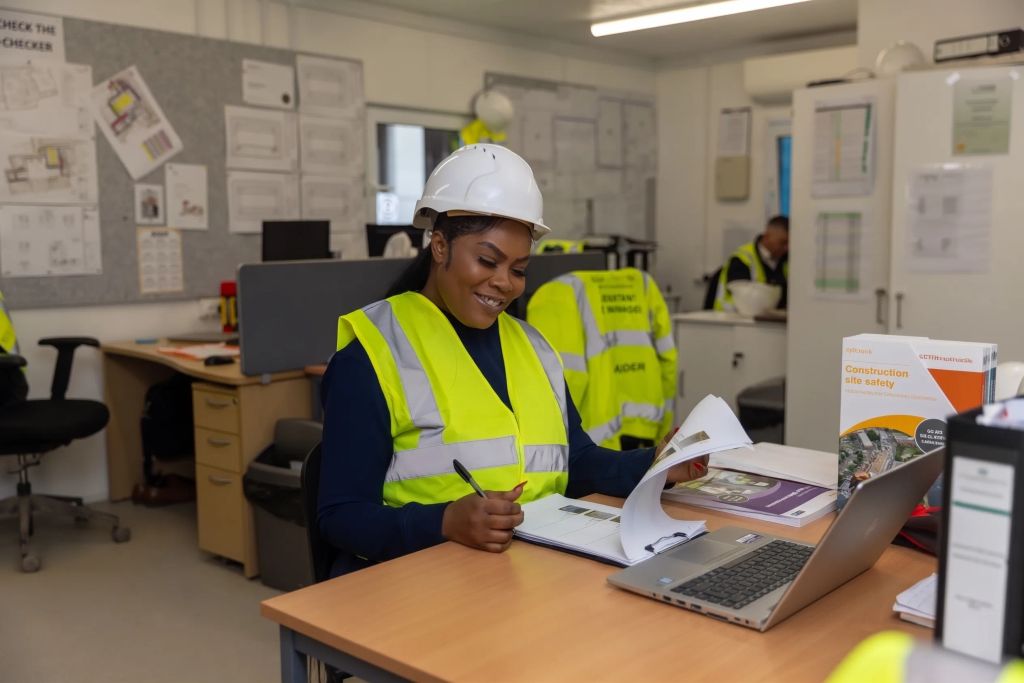
Technical & Design
Engineering, design, technical coordination and other built-environment pathways.

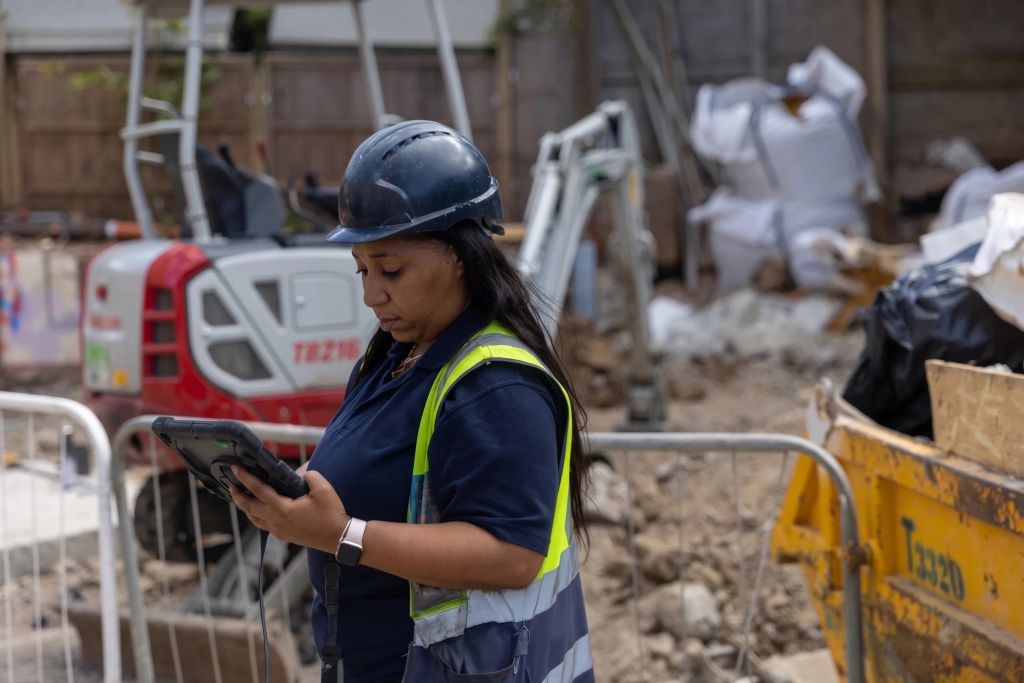
Land & Planning
Apprenticeship routes may be available in surveying, planning and related professional disciplines.
Sales & Customer
Customer service, sales and other customer-focused programmes may be offered by house builders.

Business & Support
Finance, HR, digital, administration and other business apprenticeships can support the wider organisation.
How apprenticeships work
Start with the kind of work you enjoy. If you like practical work and seeing physical progress, a site-based trade could appeal. If you prefer problem-solving, drawings or numbers, look at technical and commercial careers. There are also routes for people who enjoy working with customers or supporting a business behind the scenes. You can also explore Go Construct’s guide to construction apprenticeships for more information on apprenticeship levels and how to find an employer.
The details depend on the apprenticeship standard and employer. In England, apprentices are employees and receive time for training and study as part of their programme. Apprenticeships also vary in level and length: some are designed as an introduction to an occupation, while higher and degree apprenticeships can lead into professional careers. Check current apprenticeship levels and standards before you apply. If you are interested in technical or management roles, the Chartered Institute of Building (CIOB) provides information on construction apprenticeships, including routes into site supervision and construction management.
Eligibility, entry requirements and pay
For apprenticeships in England, you normally need to be aged 16 or over, live in England and not be in full-time education when the apprenticeship starts. Individual vacancies may set their own entry requirements, depending on the occupation and level. Having previous qualifications does not automatically rule you out — see the current eligibility guidance on GOV.UK.
An apprentice is an employee and must be paid at least the legal minimum that applies to their age and stage of apprenticeship; employers can choose to pay more. Minimum wage rates change, so check GOV.UK’s current rates rather than relying on a figure that may become out of date.
Finding and applying for an apprenticeship
There is no single recruitment process used by every house builder. Some employers advertise directly on their careers websites, while others recruit through training providers or the government apprenticeship service.
Choose the roles or career areas that interest you before searching for vacancies.
Use GOV.UK Find an apprenticeship and check house builder careers websites for current programmes. You can also search job opportunities on GoConstruct.
Check the role, location, apprenticeship level, entry requirements, pay and closing date.
Show why the role interests you and use examples that demonstrate relevant skills, attitude or experience.
Employers may use interviews, assessments or practical activities. Follow the instructions supplied with the vacancy.
Meet house building apprentices
Real experiences can help you understand what an apprenticeship is like day to day. Hear from people who chose this route, what they learned and how their careers have developed since they started.

Get into house building, it could be right up your street! Part 1

Get into house building, it could be right up your street! Part 2

Get into house building, it could be right up your street! Part 3
Your career after an apprenticeship
Completing an apprenticeship can be the start of a longer career. You may continue in the occupation you trained for, work towards a more advanced qualification or take on greater responsibility as your experience grows.
Where you go next will depend on the role. A bricklayer might progress towards supervision, while someone in a technical or commercial apprenticeship may build specialist expertise or move into team leadership.
House building apprenticeship FAQs
It is a paid job combined with structured training for an occupation connected with building new houses and homes, or supporting a house building business. You gain workplace experience while developing the skills required for the apprenticeship.
It depends on the apprenticeship. Some vacancies have few formal entry requirements, while others ask for particular GCSEs, qualifications or experience. Check each vacancy before applying.
The length varies by occupation and apprenticeship level. GOV.UK advises that apprenticeships can range from months to several years, so the vacancy and apprenticeship standard are the best places to check the expected duration.
Yes. Apprenticeships are not only for school leavers. There is no general upper age limit, although you still need to meet the eligibility and vacancy requirements.
Search GOV.UK Find an apprenticeship and check the careers websites of house builders that operate in your area. Opportunities change throughout the year, so it is worth checking regularly.
Find apprenticeship opportunities
Once you know the type of apprenticeship that interests you, the next step is to find employers and current vacancies. Explore house builders, check where they operate and follow their official recruitment routes for the latest opportunities.