
Job department
Construction
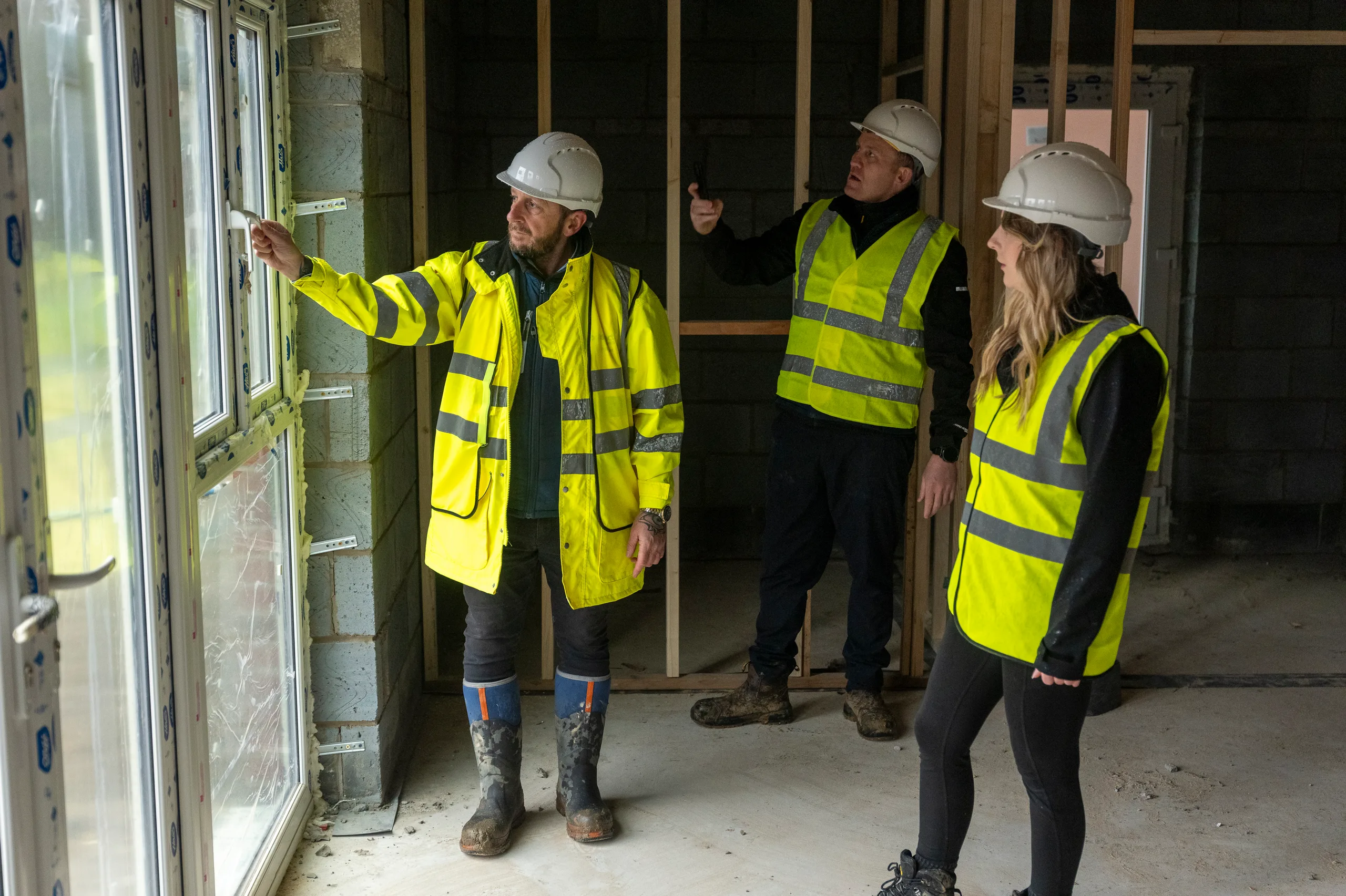
Construction teams turn plans into new homes.
They organise people, materials, programmes and quality throughout the build, making sure work progresses safely and to the required standard. If you enjoy seeing a project take shape, coordinating tasks or solving practical problems, a career in construction could offer plenty of variety.
What does the Construction team do?
Construction is about delivering the build from site preparation to handover. Teams plan the sequence of work, coordinate contractors and trades, manage resources and check that completed work meets specifications. Site managers oversee day-to-day activity, while senior managers take responsibility for wider programmes, teams and performance. Construction colleagues work closely with technical designers, commercial specialists, health and safety professionals and customer service teams. The work combines practical understanding with communication, organisation and decision-making. Some roles are based mainly on developments; others involve travelling between sites and offices.
Is a career in Construction right for you?
You may enjoy construction if you like solving problems as they arise, working with different people and seeing tangible results. Planning ahead matters, but so does responding when weather, deliveries or site conditions change. Attention to detail, teamwork and a willingness to learn are valuable. Some roles are physically active; management positions also involve meetings, reporting and coordination.
How can you get started in Construction?
There are several ways into this area. Some people begin in a trade or site-based role and build experience; others enter through apprenticeships, college courses or graduate programmes in construction-related subjects. Career changers may bring useful skills from logistics, operations or team leadership. Requirements vary by job and employer, and certain site duties need relevant training or competence. Compare individual role guides before choosing a route.
Career progression in Construction
Experience can lead from supervising a site to managing larger projects or multiple developments. For example, a Site Manager may progress to Senior Site Manager and, with substantial experience, towards construction leadership. Other people develop specialist expertise in quality, planning or operations. The right pathway depends on your interests, training and opportunities.
Explore more ways to develop your career through the career progression guide.
Explore your next step in Construction
Explore individual job roles to compare opportunities, then find a house builder to learn about employers and possible openings.
Frequently asked questions about construction careers
You can enter construction through apprenticeships, vocational courses, graduate routes or entry-level work, depending on the job. Some people start in a trade and move towards supervision after gaining experience. Look at the training and responsibilities for specific roles, then explore employers offering opportunities in your area.
Construction covers practical trades, site supervision, project coordination and senior delivery management. For example, bricklayers and groundworkers carry out specialist tasks, while site managers coordinate work and construction directors oversee wider delivery. Explore the linked role guides for the differences in duties and entry requirements.
Demand varies by region, employer, trade and stage of development. House builders need a mix of practical and management skills, but this does not mean every role has vacancies everywhere. Check current opportunities with employers and use the job role guides to understand which skills and qualifications are relevant.
Start by identifying the type of work that interests you, then check house builders, contractors, apprenticeship providers and relevant job listings. Read the role descriptions carefully: a site management vacancy can require different experience from a trade apprenticeship. Our Find a house builder directory can help you identify employers.
Useful skills include teamwork, clear communication, problem-solving, organisation and an awareness of safe working. Practical roles may also require manual skills and trade-specific competence, while management jobs place more emphasis on planning, leadership and coordination. The exact requirements depend on the occupation.
