
Job
Bricklayer
- Department
- Construction / On-Site
- Earning potential
- £25,000 to £45,000
- Training time
- Typically 24 months for the Level 2 Bricklayer apprenticeship, plus a typical 3-month assessment period
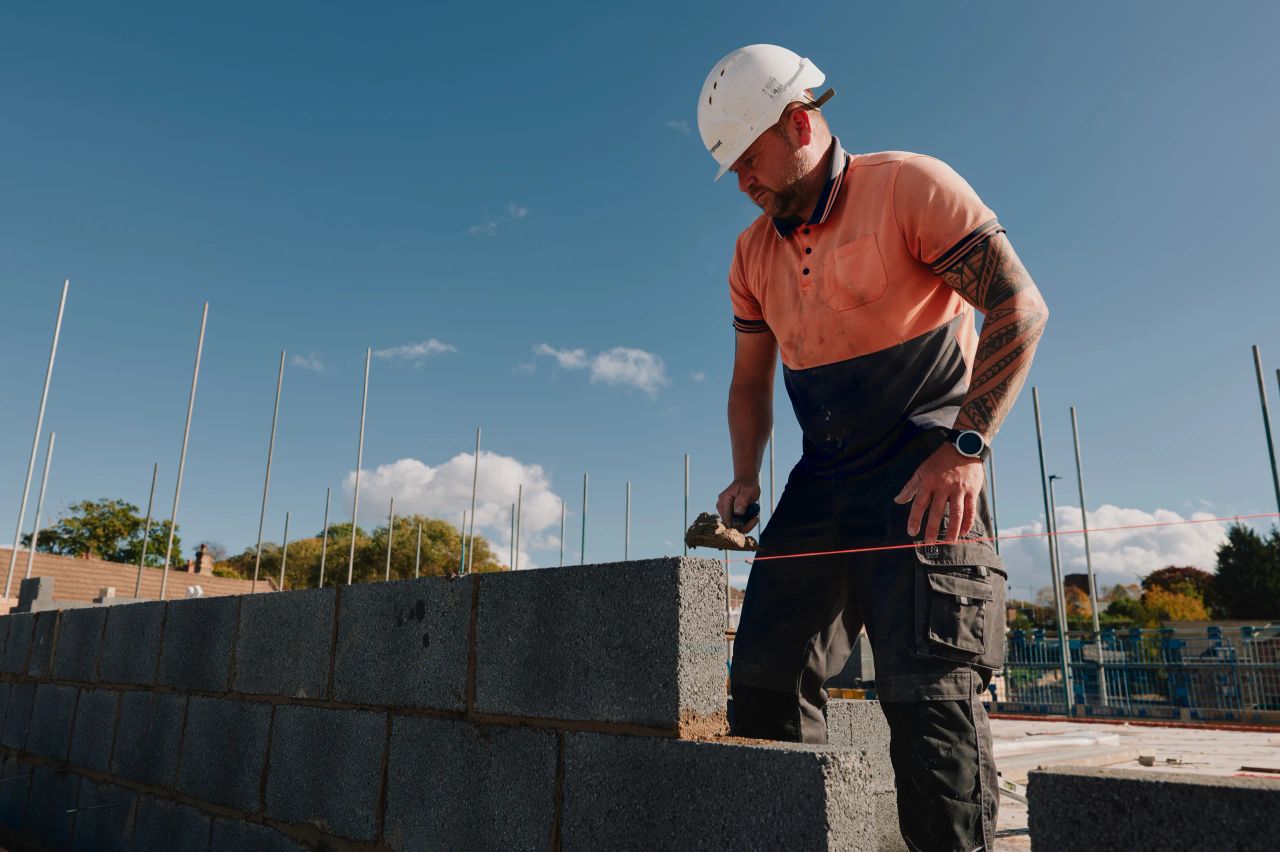
Bricklayers play a hands-on role in turning house plans into new homes.
They build walls and other brickwork accurately, safely and to the required standard, working as part of the wider construction team on a residential development. If you enjoy practical work, can pay close attention to detail and like seeing visible progress at the end of the day, bricklaying could be a career to explore.

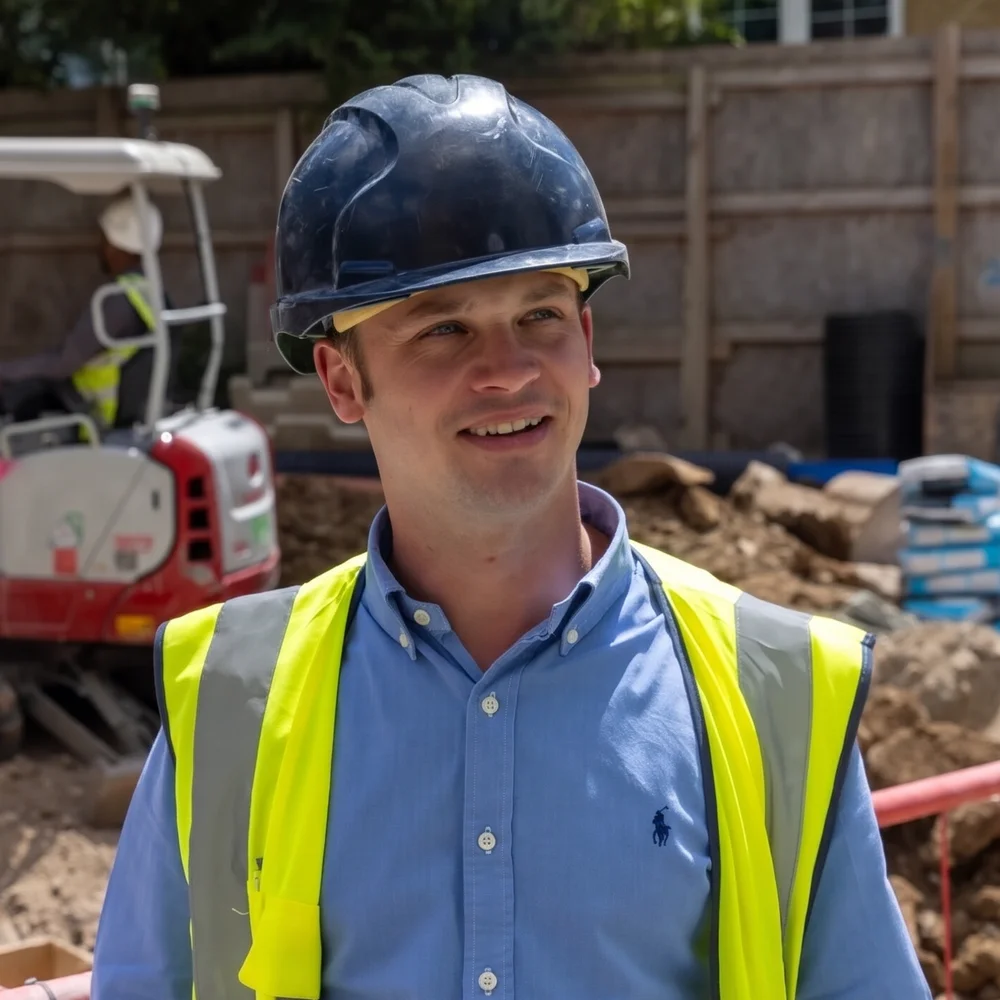
Bricklayer introduction
Bricklayers play a hands-on role in turning house plans into new homes. They build walls and other brickwork accurately, safely and to the required standard, working as part of the wider construction team on a residential development.
If you enjoy practical work, can pay close attention to detail and like seeing visible progress at the end of the day, bricklaying could be a career to explore.
The role of a bricklayer in house building
On a new-home development, bricklayers construct the brick and block walls that form an important part of each home. They work from drawings and specifications so the building is set out correctly and the brickwork follows the required design.
The job is about much more than laying one brick after another. Accuracy matters from the first course upwards. Bricklayers need to keep lines, levels and corners true, use the right materials and work safely around other trades as the development takes shape.
A day in the life of a bricklayer
The exact day will depend on the stage of the build and the part of the development you are working on. You may begin by checking drawings and setting out your work before preparing materials and starting the next section of brickwork.
- measure and set out the work from plans and specifications
- prepare or use mortar and lay bricks or blocks accurately
- cut and shape materials where needed
- check lines, levels and vertical alignment as the work progresses
- create details such as openings, corners or other features shown on the design
- keep the work area safe and coordinate with the site team and other trades
Bricklaying is usually physical and site-based. You can expect to work outdoors and to spend much of the day on your feet. Weather, site conditions and the build programme can all affect how the working day is organised.
Skills for bricklaying
Good bricklayers combine practical skill with patience and accuracy. You need to be comfortable working with your hands, but you also need to read information carefully and notice when something is not right.
- Practical ability — Brickwork needs controlled, accurate use of tools and materials.
- Attention to detail — Small errors in line, level or measurement can affect the quality of the finished work.
- Teamwork — Bricklayers work alongside other bricklayers, site managers and trades throughout the build.
- Physical fitness — The job involves manual work, movement around site and working outdoors.
- Time management — You need to organise your work and maintain quality while working to the site programme.
- Safety awareness — Construction sites have strict procedures designed to protect you and the people around you.
Routes into bricklaying
An apprenticeship is one of the main routes into bricklaying because it combines training with real site experience. College courses can also help you develop the basic skills needed to apply for a trainee role, and some people start in another site job before training towards bricklaying.
In England, current apprenticeship options include the Level 2 Bricklayer apprenticeship. Skills England also lists a Level 3 Craft Bricklayer apprenticeship for more advanced craft skills. The route that is right for you will depend on your experience and the opportunities available locally.
Qualifications and training
The qualifications or training you need will depend on how you enter the trade. Apprenticeships follow an approved occupational standard and include structured training and assessment. College routes vary by provider, so check the course content and entry requirements before applying.
Construction sites may also require evidence that you have the appropriate training and health and safety knowledge for the work you are doing. Requirements can change, so use the official CSCS and training-provider guidance rather than relying on an old checklist.
Bricklayer pay and earning potential
Pay varies with experience, location, employer and how you are employed. Some bricklayers are directly employed, while others work for subcontractors or become self-employed as their experience grows.
The National Careers Service currently gives an indicative annual salary range of £25,000 for a starter to £45,000 for an experienced bricklayer. Treat these figures as a guide rather than a guaranteed rate, as actual earnings can differ significantly.
Career progression
Experience can open up several directions. You might build your expertise as a bricklayer, take responsibility for a gang or team, or move towards supervision and site management. Self-employment or running a bricklaying business may also appeal to some people.
Your knowledge of how houses are built can also be useful if you later move into another part of construction. Explore our career progression guide to see how skills and experience can lead to different opportunities.
Find bricklaying opportunities
If bricklaying sounds right for you, look for apprenticeship and trainee opportunities with house builders, contractors and brickwork specialists working on new-home developments. Check the employer’s official careers information for current vacancies and application requirements.
Bricklayer FAQs
A bricklayer is a skilled construction worker who lays bricks, blocks and other masonry materials to build walls and other parts of a structure. In house building, the role is central to constructing new homes on residential developments.
For more information, visit GoConstruct.
Bricklayers set out work from drawings, prepare materials, lay bricks and blocks, cut materials where needed and continually check that the work is straight, level and built to specification.
Common routes include a bricklaying apprenticeship, a relevant college course or starting in a site-based role and training towards the occupation. Entry requirements vary, so check the current course or apprenticeship vacancy before applying.
There is no single answer for every route. Apprenticeships and college programmes have different requirements, and site access may involve additional card or health and safety requirements. Use Skills England, your training provider and CSCS for current guidance.
Earnings depend on experience, location and employment type. The National Careers Service currently lists an indicative range of £25,000 to £45,000 a year, but actual pay can be higher or lower.
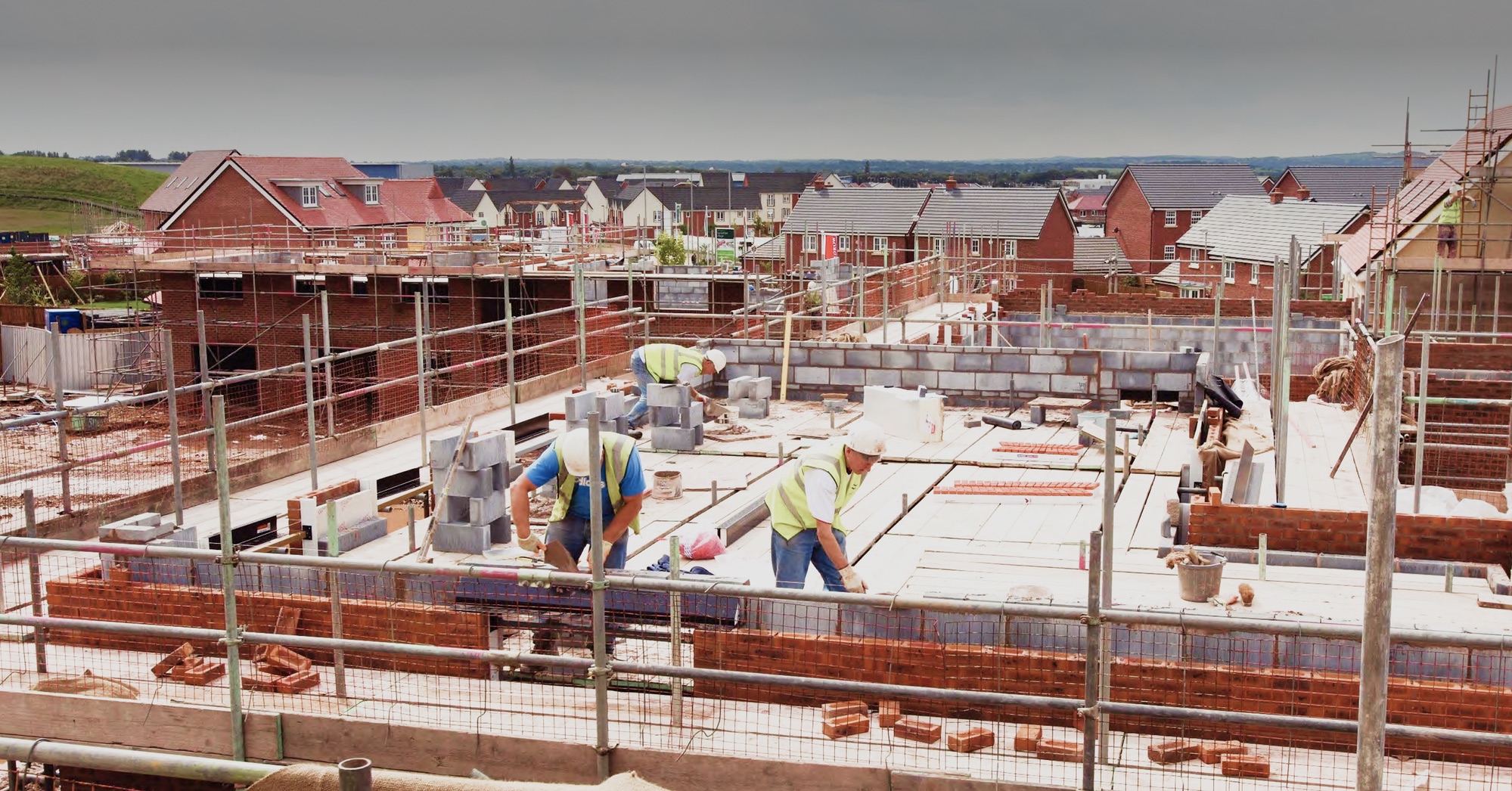
Bricklayer career path
- Trainee Bricklayer
- Bricklayer
- Bricklaying Supervisor / Foreman