
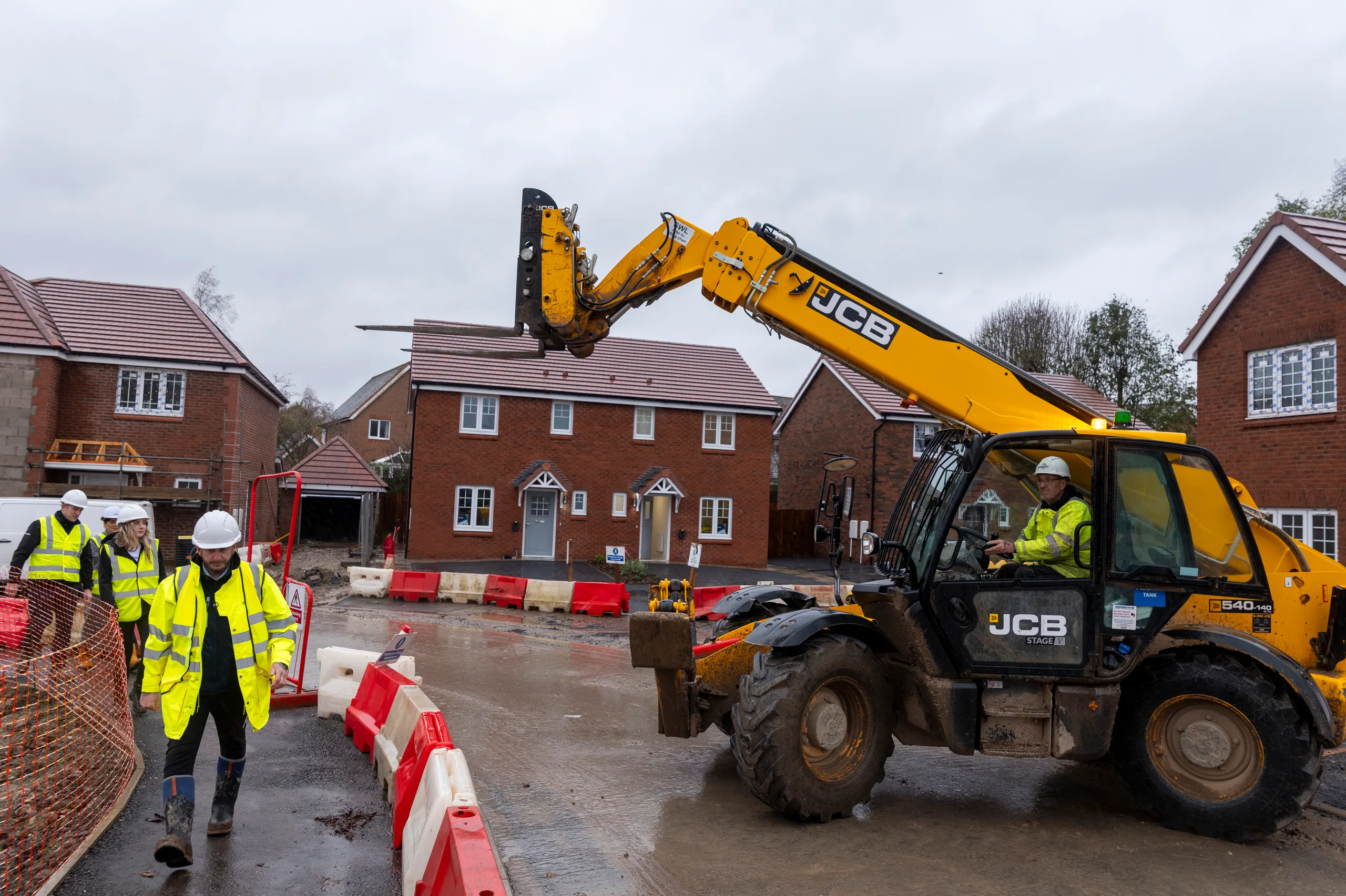
Explore the breadth of careers in house building
The process of creating homes and communities requires a variety of skillsets, trained expertise and roles across many different areas.
Discover the different career areas
Each area plays a different part in delivering new homes. Choose one to discover what the team does and the job roles you could explore.

Land
Identify and assess locations for future housing developments.
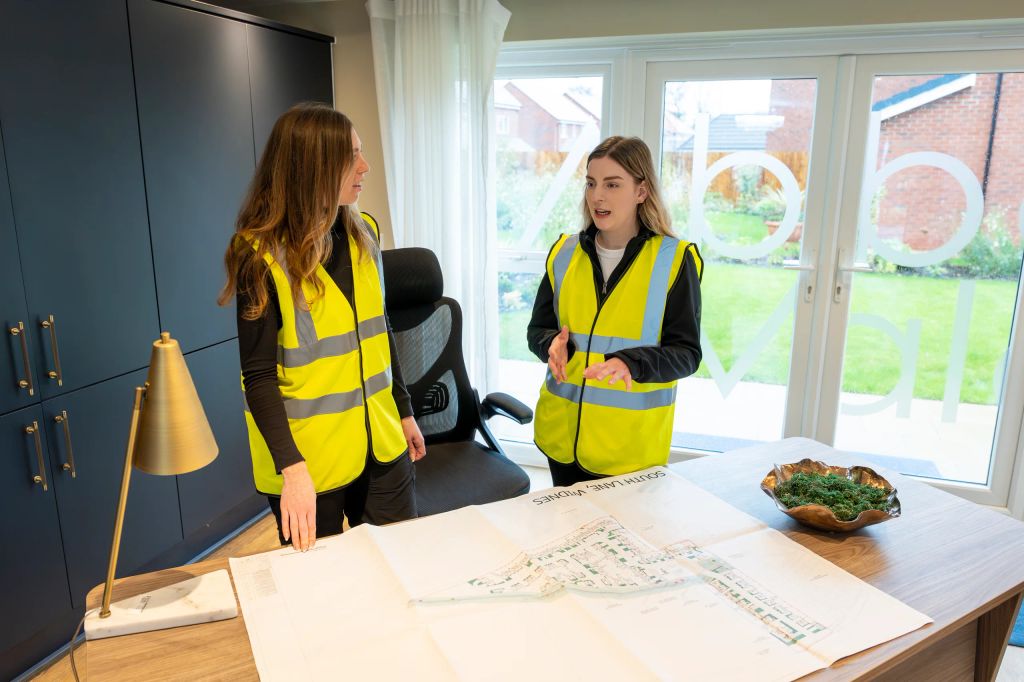
Planning
Help developments meet planning requirements and community needs.

Technical & Design
Turn ideas into practical plans, drawings and buildable designs.
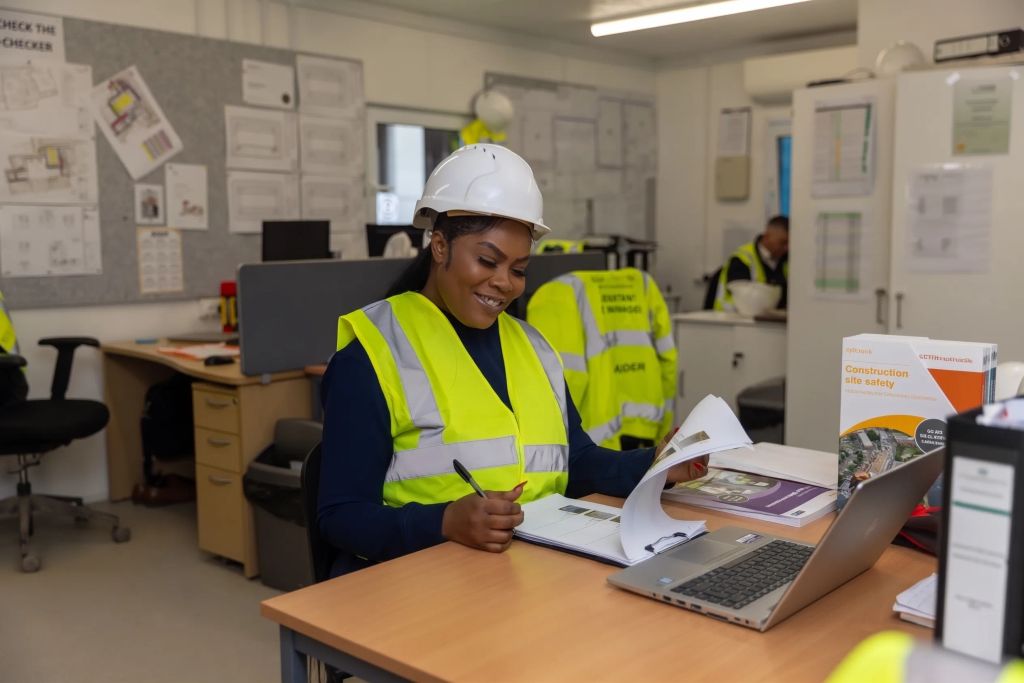
Commercial
Manage costs, purchasing and contracts across developments.
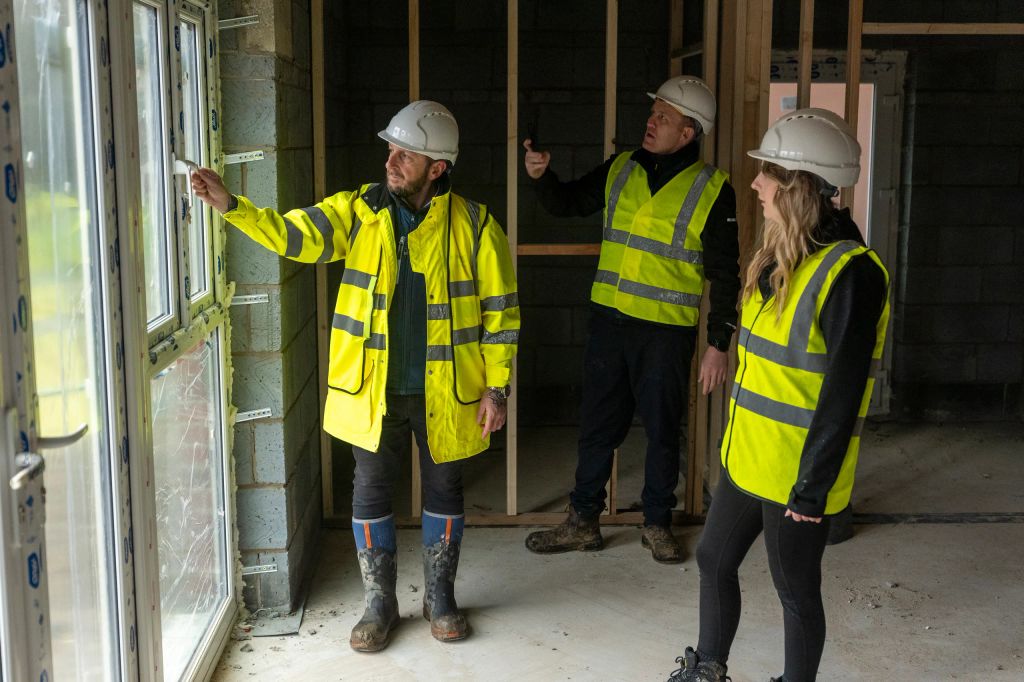
Construction
Help organise and deliver building projects, from preparation to completion.
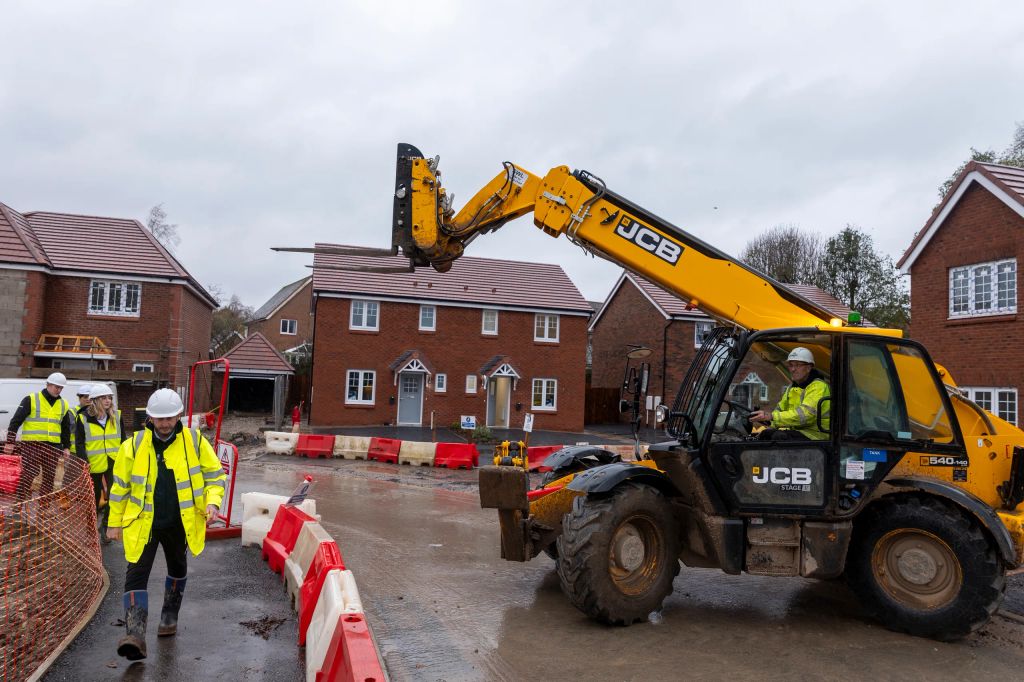
On Site
Work hands-on to build, install, finish and maintain new homes.
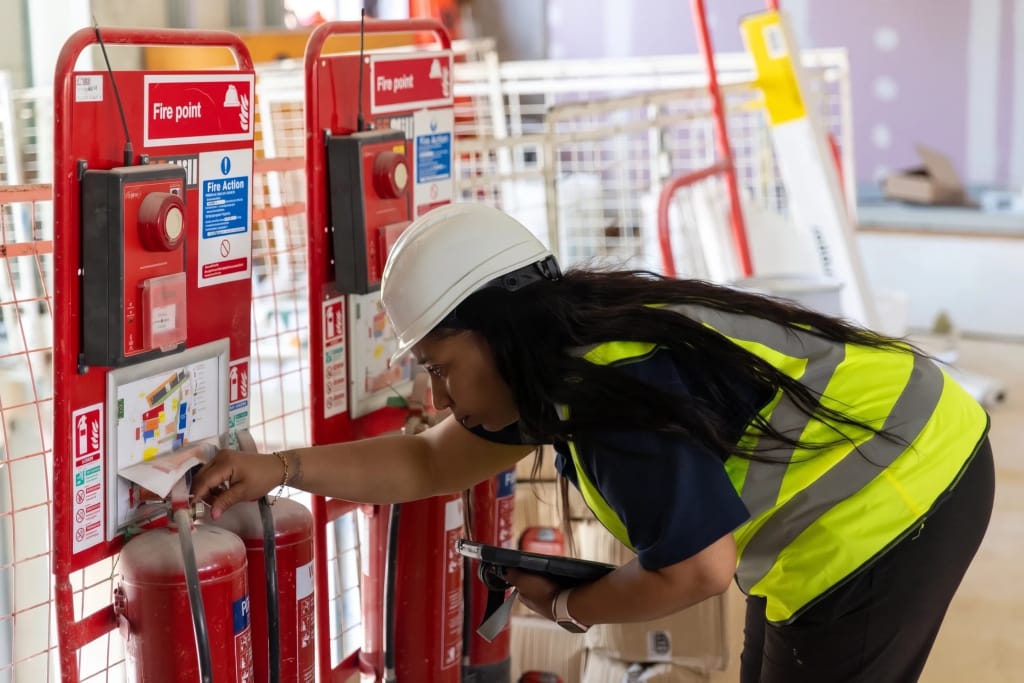
Health & Safety
Help protect people and promote safe working practices.
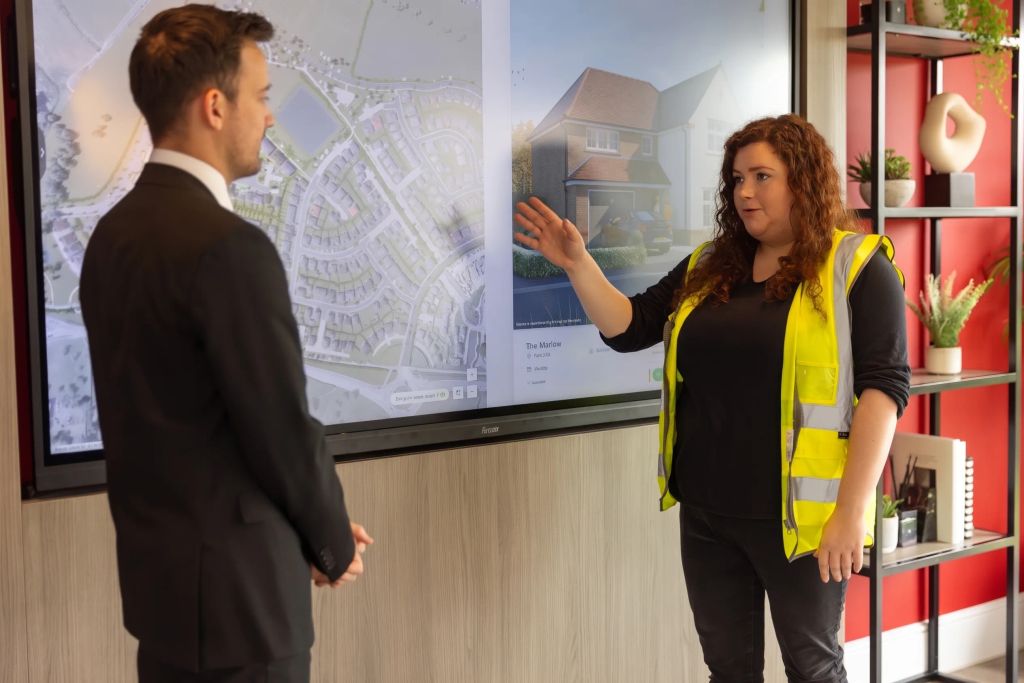
Sales & Marketing
Connect homebuyers with new homes and developments.

Legal
Help manage property transactions, agreements and legal risks.

Finance
Track financial performance and support business decisions.

Customer Service
Support customers before and after they move into their homes.

Human Resources
Recruit, develop and support the people behind new homes.

Management
Lead teams, coordinate priorities and improve business performance.
How do career areas work together?
A housing development begins long before construction starts. Land and planning teams explore suitable sites and permissions. Technical and design colleagues shape the homes and infrastructure. Commercial, finance and legal specialists support decisions, budgets and agreements, while construction and on-site teams turn plans into finished homes.
Sales and marketing introduce buyers to the development, and customer service teams support them after moving in. Human resources, health and safety, and management contribute throughout. No department works entirely on its own.
Which career area could suit you?
Think about the activities you enjoy, rather than choosing a job title straight away. Your interests may fit more than one area.
- Enjoy practical work? Start with On Site or Construction.
- Like creative or analytical challenges? Explore Technical & Design or Planning.
- Prefer working with people? Consider Customer Service or Sales & Marketing.
- Interested in numbers and business decisions? Look at Finance or Commercial.
As you gain experience, you may discover related opportunities in another team. Our career progression guide can help you explore possible routes.
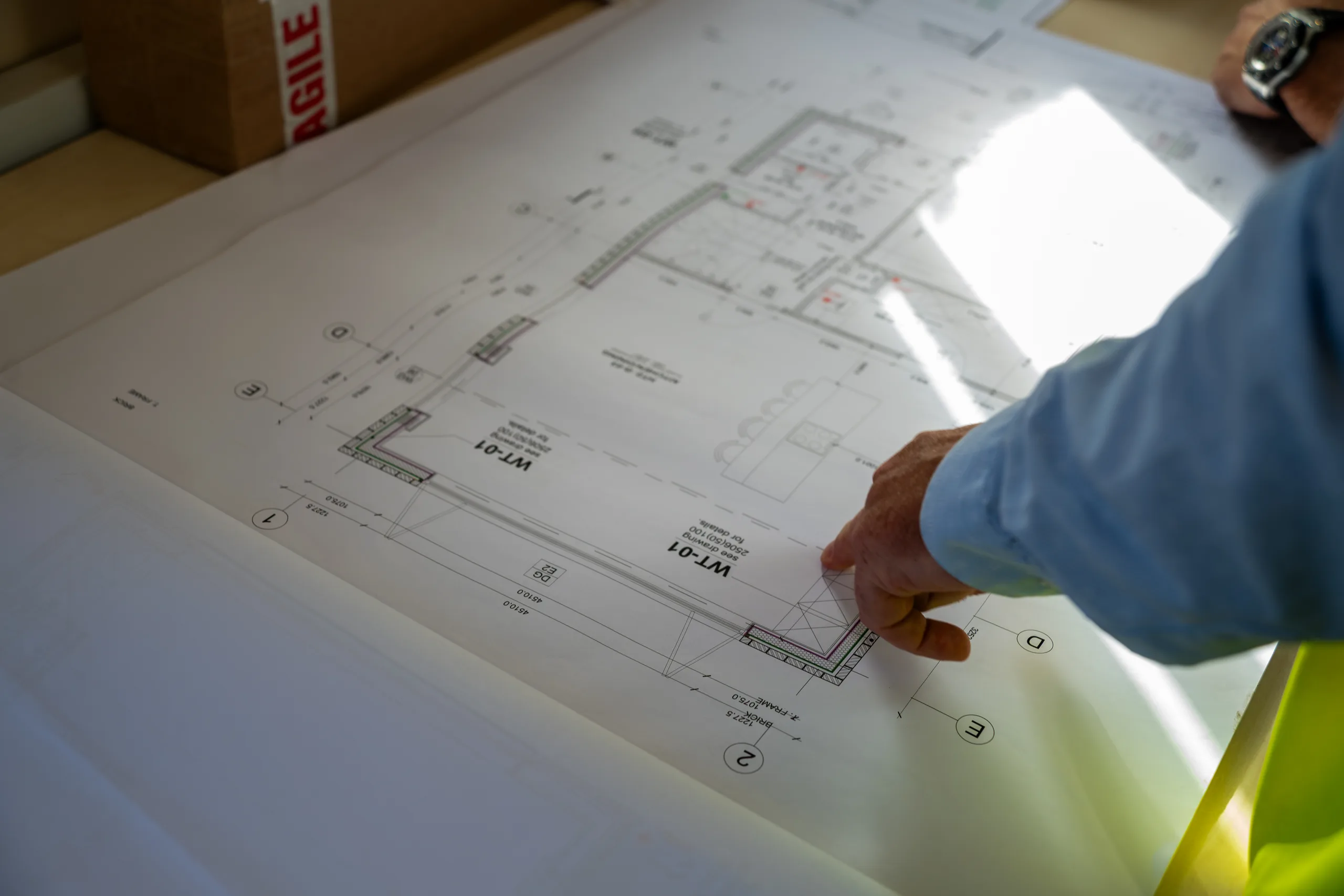
Meet people building their careers
A job title only tells you so much. Real career stories can show you how people found their way into house building, what their work is like and how their careers have changed as they gained experience.
Frequently asked questions about career areas
House building includes Construction, On Site, Technical & Design, Land, Planning, Commercial, Finance, Sales & Marketing, Customer Service, Legal, Human Resources, Health & Safety and Management. Each area contributes different expertise to creating homes and supporting the people who live in them.
A career area is a department or field of work, such as Finance or Customer Service. A job role is a specific occupation within or connected to that area, such as Accountant or Customer Service Administrator. Exploring an area first can help you discover job titles you may not have considered.
On Site and Construction are closely connected to site activity. People working in Technical & Design, Health & Safety, Commercial and Management may also visit developments. The amount of site work depends on the job, employer and stage of a project.
Many roles in Finance, Legal, Human Resources, Land, Planning, Sales & Marketing and Customer Service are mainly office-based or hybrid. Some involve meetings, customer visits or trips to developments. Individual job-role guides explain typical working environments.
It is possible to move between related departments, especially when your experience and transferable skills fit the new role. You might need extra training or professional qualifications. Explore different areas and speak with employers about realistic development opportunities.
Ready to explore individual job roles?
Once you have found a career area that interests you, explore individual job roles to learn about responsibilities, skills, training and progression. Compare options and see which opportunities might be right for you.