
Job department
Health & Safety
Building homes involves people, equipment and changing working environments.
Health and safety professionals help teams recognise risks, plan safer work and keep improving how activities are carried out. If you enjoy practical problem-solving, communicating with different people and making a positive difference to working conditions, this career area could interest you.
What does the Health & Safety team do?
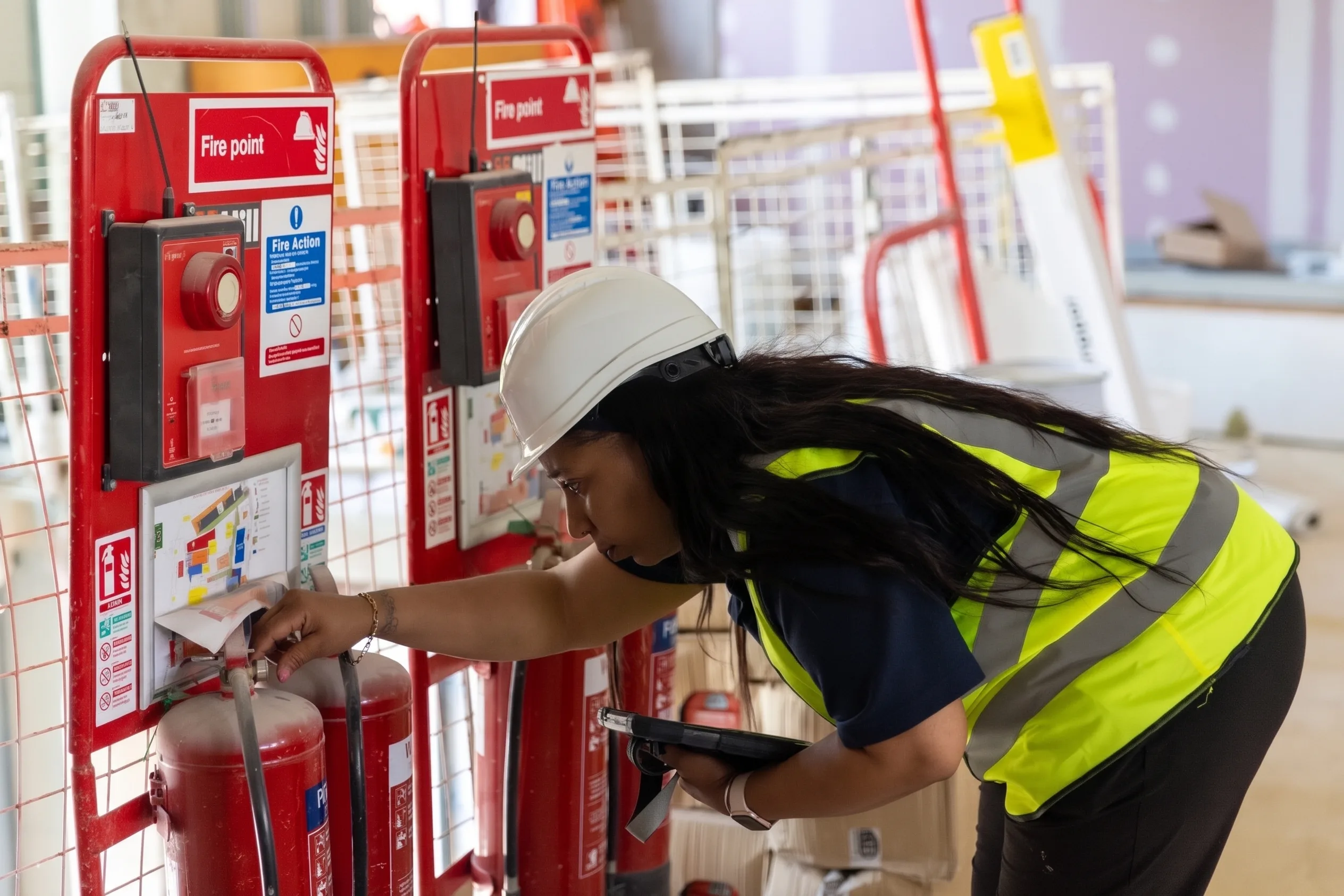
Health and safety teams support the systems, training and decisions that help protect workers and others affected by construction activity. Their work can include site inspections, reviewing risk assessments, investigating incidents, advising managers and helping teams understand safe working procedures. They collaborate with construction managers, contractors and operational leaders. The emphasis is on preventing harm through sensible planning, effective controls and continuous improvement, not simply checking paperwork or enforcing rules.
Is a career in Health & Safety right for you?
You may enjoy this area if you notice detail, ask thoughtful questions and are comfortable speaking up about risks. Good communication matters: advice must be clear and practical for people carrying out different tasks. Curiosity, sound judgement and the ability to work constructively with site teams are valuable. Experience of construction can help, but knowledge can also develop through structured learning and supervised practice.
How can you get started in Health & Safety?
Some people move into health and safety after gaining site or operational experience; others enter through training programmes, apprenticeships or related qualifications. Employers may ask for recognised occupational health and safety credentials and relevant experience, particularly for advisory or management posts. Requirements vary by responsibility, so check the specific job guide and current professional guidance before selecting a training route.
Career progression in Health & Safety
A career might begin with supporting inspections and safety administration, then develop into an adviser or management position with responsibility for several sites. Experienced professionals may move into wider operational, assurance or leadership roles. Progression depends on demonstrated competence, relevant qualifications and the scale of the employer’s activities. Explore career progression for more pathways.
Explore your next step in Health & Safety
Explore the job guides to compare specific opportunities in health & safety, then find a house builder to discover employers and possible next steps.
Frequently asked questions about health & safety careers
Construction health and safety is the work of identifying hazards, assessing risks and putting appropriate controls in place to reduce the chance of harm. It includes planning, training, supervision and reviewing what happens on site. Employers, contractors and workers each have responsibilities under applicable health and safety law.
They may inspect working areas, advise on risk controls, review procedures, support training and investigate incidents or near misses. They also work with managers and contractors to improve safety arrangements. Duties depend on the role, the organisation and the activities taking place.
Construction experience is useful because it helps you understand site activities and practical risks, but it is not the only possible starting point. Some people enter through junior roles or structured training. More senior positions typically require relevant qualifications and evidence of competence.
Many roles involve both. Professionals may prepare reports, analyse information and plan improvements away from site, then visit developments to speak with teams and review working practices. The balance varies by employer, location and seniority.
