
Job
Electrician
- Department
- Construction / On-Site
- Earning potential
- £26,000–£45,000
- Training time
- Level 3 installation and maintenance electrician apprenticeship: typically 54 months plus assessment
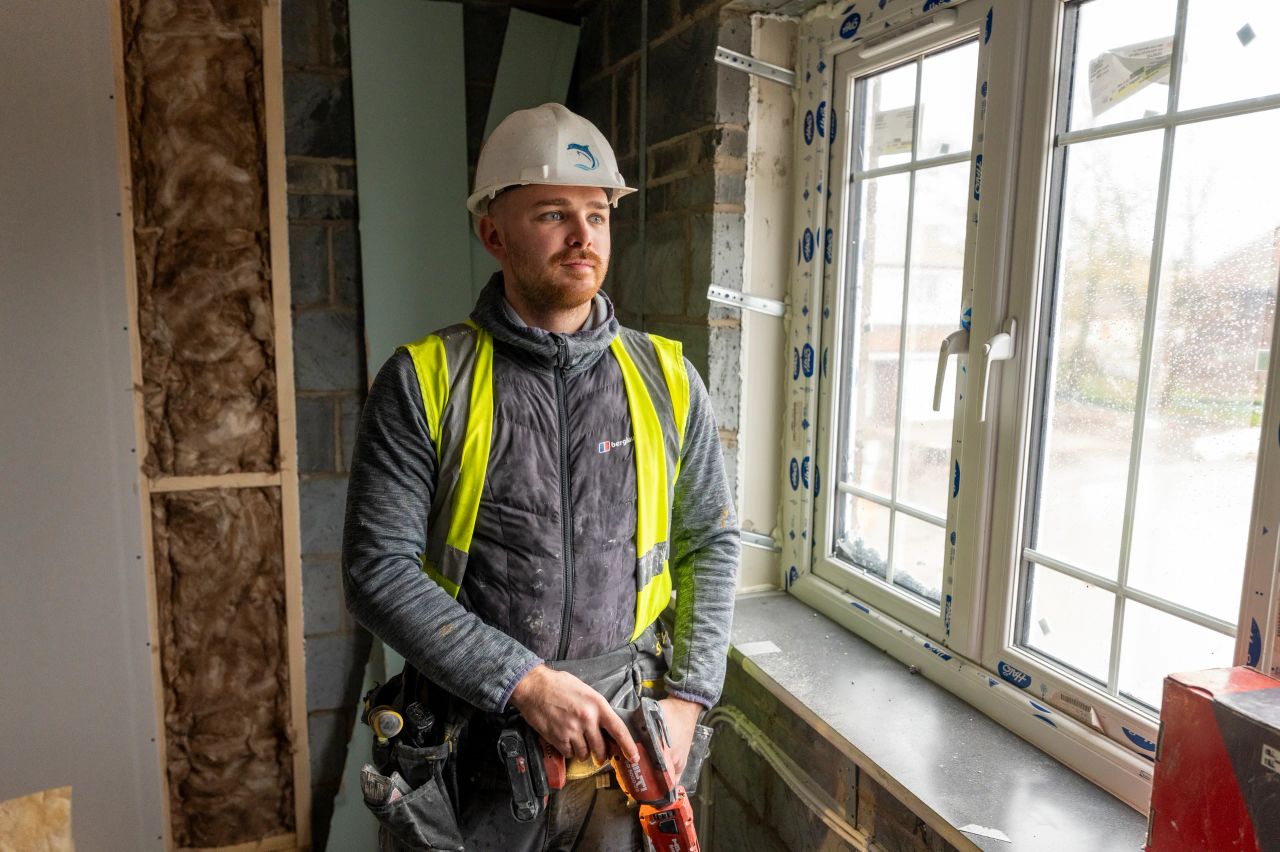
Electricians make new homes safe, functional and ready for modern living.
They install and test wiring, sockets, lighting and electrical systems, coordinating with other trades before walls are closed and homes are handed over.

Learning on site and being given the responsibility on site to work as an actual plumber. I’m not good at learning from a text book so this really works for me.
Chris

Electrician introduction
Electricians make new homes safe, functional and ready for modern living. They install and test wiring, sockets, lighting and electrical systems, coordinating with other trades before walls are closed and homes are handed over.
The role of a electrician in house building
On a residential development, electricians work from electrical layouts and specifications to install circuits, consumer units, lighting and power points. They also test completed installations and record results so that electrical work can be checked before handover. Depending on their competence and employer, work may involve smart controls, low-carbon technologies and charging infrastructure.
A day in the life of a electrician
A day may begin with a site briefing and a check of drawings for the plots scheduled for first or second fix. At first fix, electricians run cables and position back boxes before plastering. At second fix, they fit accessories and lighting, then inspect, test and address any defects. Careful coordination with plasterers, carpenters and site managers prevents rework.
Skills for a electrician
The skills below help people succeed in this role on residential developments.
- Electrical knowledge — Correct cable selection, circuit protection and testing are essential for safe installations.
- Attention to detail — Small wiring errors can create faults or delay certification and handover.
- Reading drawings — Electrical layouts show where equipment must be installed in each house type.
- Problem solving — Unexpected site conditions call for safe, compliant solutions.
- Communication — Clear updates help site teams coordinate first fix, second fix and inspections.
- Safety awareness — Electrical isolation, safe working practices and site rules protect everyone.
Routes into electrician work
An apprenticeship is a common route to becoming a qualified electrician. Relevant college study can help you prepare for a trainee or apprenticeship position, but classroom learning alone does not normally establish full occupational competence. Experienced workers may have a separate assessment route.
Qualifications and training
The Skills England Installation and Maintenance Electrician Level 3 apprenticeship is currently listed at 54 months of training plus an assessment period. Electrical Careers provides guidance on recognised routes and qualifications. Some sites require evidence of competence through the Electrotechnical Certification Scheme (ECS).
Electrical Careers explains recognised qualifications and the Electrotechnical Certification Scheme (ECS) provides information about competence cards.
The Electrotechnical Certification Scheme (ECS) sets out card categories and evidence requirements.
Electrician pay and earning potential
The National Careers Service provides an indicative annual salary range of £26,000–£45,000 for the closest occupational profile. Actual earnings vary by experience, location, employer, employment type and any specialist responsibilities.
Career progression
You could move from apprentice to qualified electrician, then lead electrician or electrical supervisor. With further experience, options include electrical contracts management, estimating, training apprentices or running a specialist contracting business.
Explore our career progression guide to understand how experience can lead to greater responsibility in house building.
Find electrician opportunities
House builders and their electrical subcontractors recruit apprentices, qualified electricians and experienced supervisors. Look for vacancies that specify residential installation, testing or new-build experience.
Electrician FAQs
Electricians install, inspect and test the electrical systems that make a new home usable, including power circuits, lighting and controls. They usually coordinate first-fix work before finishes and second-fix work near completion.
A recognised Level 3 apprenticeship combines technical learning with substantial supervised workplace experience. Other routes may be available for experienced workers, but employers will expect evidence of practical competence.
Some employers and sites ask for an Electrotechnical Certification Scheme card (ECS) as evidence of qualifications and experience. Check the specific role and site requirements.
The National Careers Service lists an indicative £26,000–£45,000 annual range. Earnings vary by region, experience, employment type and any specialist work.
Yes. With suitable training and competence, electrical work can involve smart controls, electric vehicle charging and technologies used alongside low-carbon heating systems.