
Job
Engineer
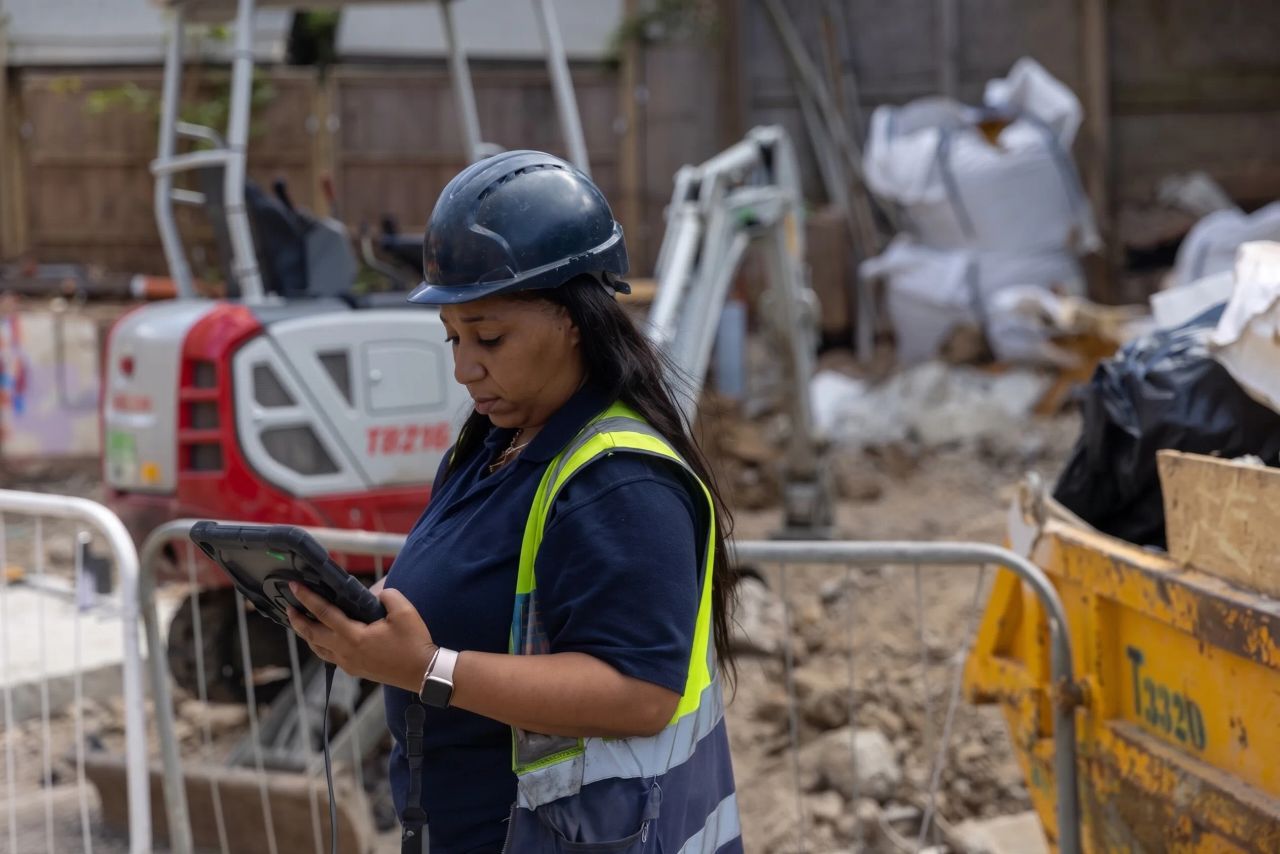
- Department
- Technical & Design
- Earning potential
- £29,000–£63,000
- Training time
- Degree apprenticeship: typically 60 months + assessment; other routes vary
Engineers help turn plans for new homes into practical, buildable developments.
In house building, they solve technical problems around structures, levels, drainage, roads, utilities and site infrastructure, working with teams from the earliest design stages through to construction.

My advice to those looking for a career in the industry would be to look out for placement and graduate programmes.In addition to broadening knowledge at the early stages of a career, the rotation programme may provide different career path opportunities in the future.
Sarah

Engineer introduction
Engineers help turn plans for new homes into practical, buildable developments. In house building, they solve technical problems around structures, levels, drainage, roads, utilities and site infrastructure, working with teams from the earliest design stages through to construction.
The role of a engineer in house building
Working in house building an engineer brings detailed technical knowledge to a residential development. The work can include reviewing site constraints, coordinating engineering information, producing or checking drawings and helping construction teams understand how infrastructure and individual homes should be built.
A day in the life of a engineer
A typical day can move between drafting and/or understanding technical drawings, design-team discussions and working on a development site.. You might review drainage or road proposals, answer a site query, coordinate with consultants and utilities, check levels or technical information, and help resolve an issue that could otherwise delay construction.
Skills for engineer work
- Problem solving — Residential sites present practical constraints. Engineers need to identify workable, safe solutions without losing sight of cost, programme or buildability.
- Technical understanding — You need to understand drawings, levels, drainage, roads, structures and construction methods well enough to make sound decisions.
- Accuracy — Small technical errors can have a large impact once work starts on site, so careful checking matters.
- Communication — Engineers explain technical information to site teams, consultants, planners, utilities and other departments.
- Digital skills — Computer Aided Design (CAD), modelling, mapping and other technical software are central to modern engineering work.
- Teamwork — Engineering decisions affect land, planning, commercial and construction teams, so collaboration is essential.
Routes into engineer work
There is no single route into engineering in house building. Common routes include studying civil or structural engineering at university, joining a graduate scheme, completing a degree apprenticeship, or starting in a technician role and progressing while working.
A civil engineering background is particularly relevant because residential developments rely on roads, drainage, earthworks, utilities and other infrastructure as well as the homes themselves.
Qualifications and training
For England, the current Civil Engineer Level 6 degree apprenticeship is typically 60 months of training, followed by an assessment period. Check the current Skills England standard before publishing or updating detailed requirements.
Professional development can lead towards incorporated or chartered engineer status. The Institution of Civil Engineers (ICE) guidance explains professional development and registration routes for civil engineers.
For a broader construction career view, the Go Construct civil engineer guide is a useful complementary resource.
Engineer pay and earning potential
As an indication, the National Careers Service currently gives a civil engineer salary range of around £29,000 for starters to £63,000 for experienced professionals. Actual earnings in house building vary by experience, location, employer, professional status and level of responsibility.
Career progression
You might progress from trainee or assistant engineer to engineer, senior or regional engineer, engineering manager and wider technical leadership. Professional registration can also support progression into more senior technical and management roles.
Engineering experience can open routes into technical management, project management, infrastructure, design coordination and other parts of residential development. Explore our career progression guide to see how roles can connect.
Find engineer opportunities
House builders need people with engineer skills at different stages of residential development. Explore employers and their careers sites to see current opportunities and entry routes.
Engineer FAQs
They help plan and coordinate the technical engineering needed to make new housing developments buildable, including infrastructure such as roads, drainage, levels and utilities. Engineers may also work with modern methods of construction (MMC), such as pre-built structures that are dropped into place for homes or high-rise buildings.
Routes include engineering degrees, degree apprenticeships, graduate schemes and progression from technician roles.
Requirements depend on the role. Civil or structural engineering qualifications are common, and some people work towards incorporated or chartered status.
Pay varies by experience and responsibility. The National Careers Service currently gives an indicative civil engineer range of about £29,000 to £63,000.
Usually both. Engineers may spend time on technical design and coordination in an office and visit developments to inspect work, answer queries or resolve technical issues.
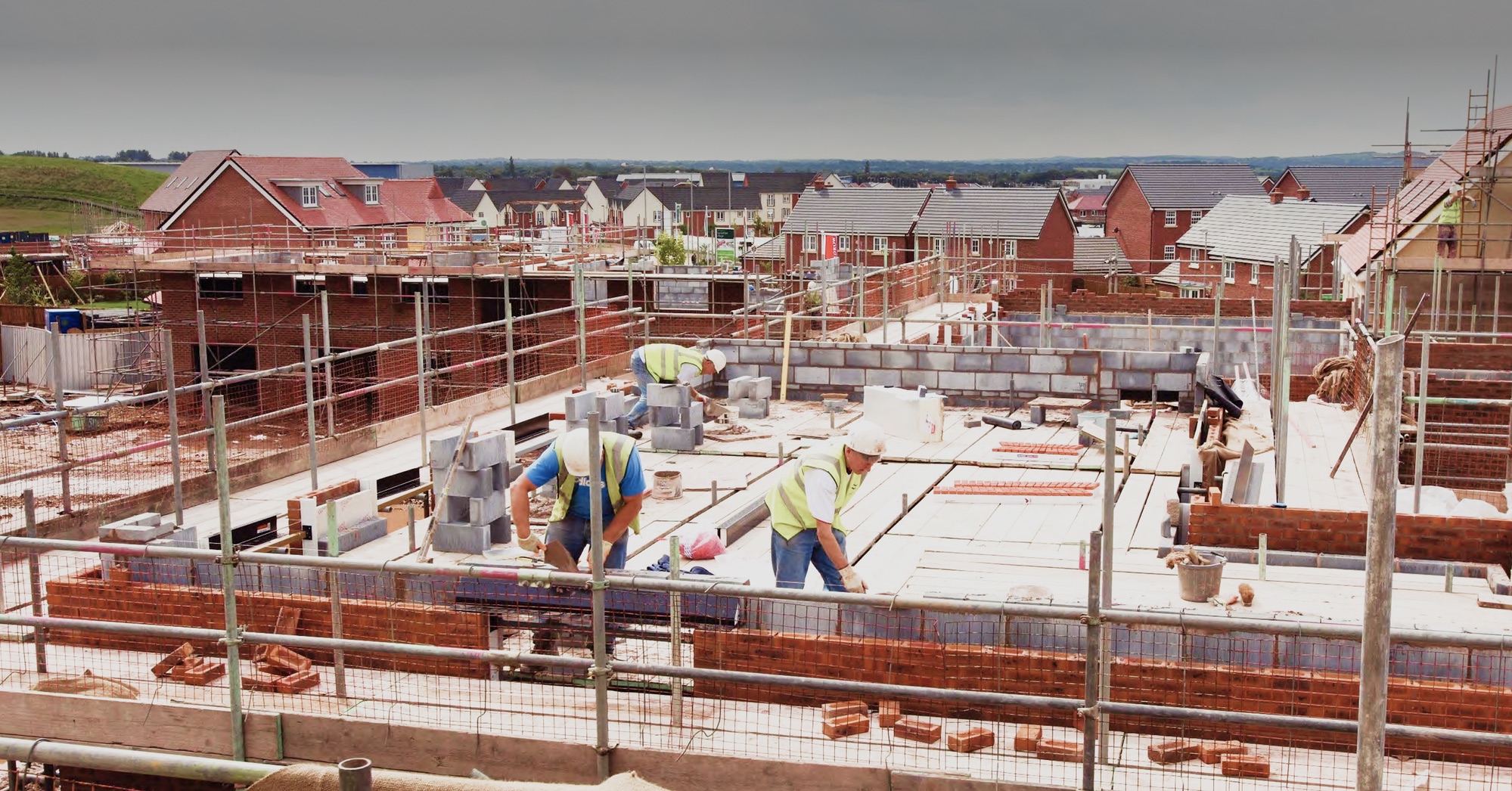
Engineer career path
- Engineer
- Trainee Engineer
- Regional Engineer
- Senior Engineer
- Engineering Manager