
Job
Leading Hand / Chargehand
- Department
- Construction
- Earning potential
- £30,000–£45,000
- Training time
- Usually reached through trade experience; supervisor training duration varies
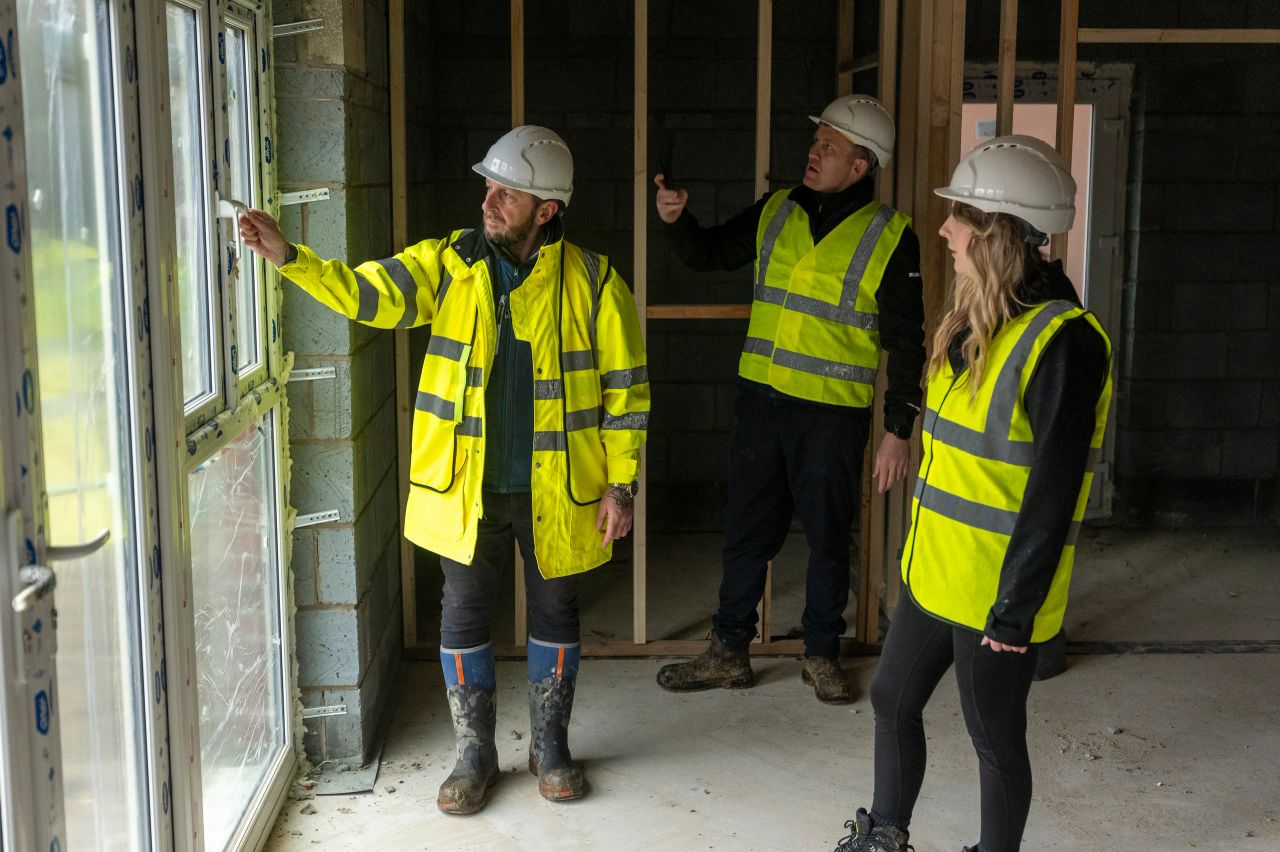
A leading hand or chargehand helps a small construction team deliver work safely, accurately and on schedule.
The role combines hands-on trade knowledge with day-to-day coordination on a housing development.

I would thoroughly recommend NHBC’s Apprenticeship scheme to anyone looking to develop a career in house building and I am certainly benefitting from being involved, even at this early stage.
Kris

Leading Hand / Chargehand introduction
A leading hand or chargehand helps a small construction team deliver work safely, accurately and on schedule. The role combines hands-on trade knowledge with day-to-day coordination on a housing development.
The role of a leading hand or chargehand in house building
On a new-home site, a leading hand or chargehand is often an experienced operative who guides a gang or trade team. They help allocate tasks, check that materials and tools are ready, explain the work sequence and flag problems to the site supervisor or manager. The precise title and authority vary by employer: this is usually a first step into leadership rather than the same role as a site manager.
A day in the life of a leading hand or chargehand
A typical day may begin with a briefing about the plots and tasks planned. You could organise who works where, check drawings and materials, demonstrate a method, monitor progress and raise a quality or safety concern. You will often continue practical work while helping newer colleagues understand the required standard.
Skills for a leading hand or chargehand
The following skills are particularly useful when working on new-home developments.
- Trade expertise — Strong practical knowledge helps you guide work and recognise mistakes early.
- Team leadership — Clear instructions and support help a small gang work effectively.
- Safety awareness — You must reinforce safe methods and escalate hazards promptly.
- Planning and organisation — Materials, access and people need to be ready in the right order.
- Quality checking — Early checks prevent defects from affecting later trades or plot handover.
- Communication — You link operatives with supervisors, other trades and site management.
Routes into leading hand or chargehand work
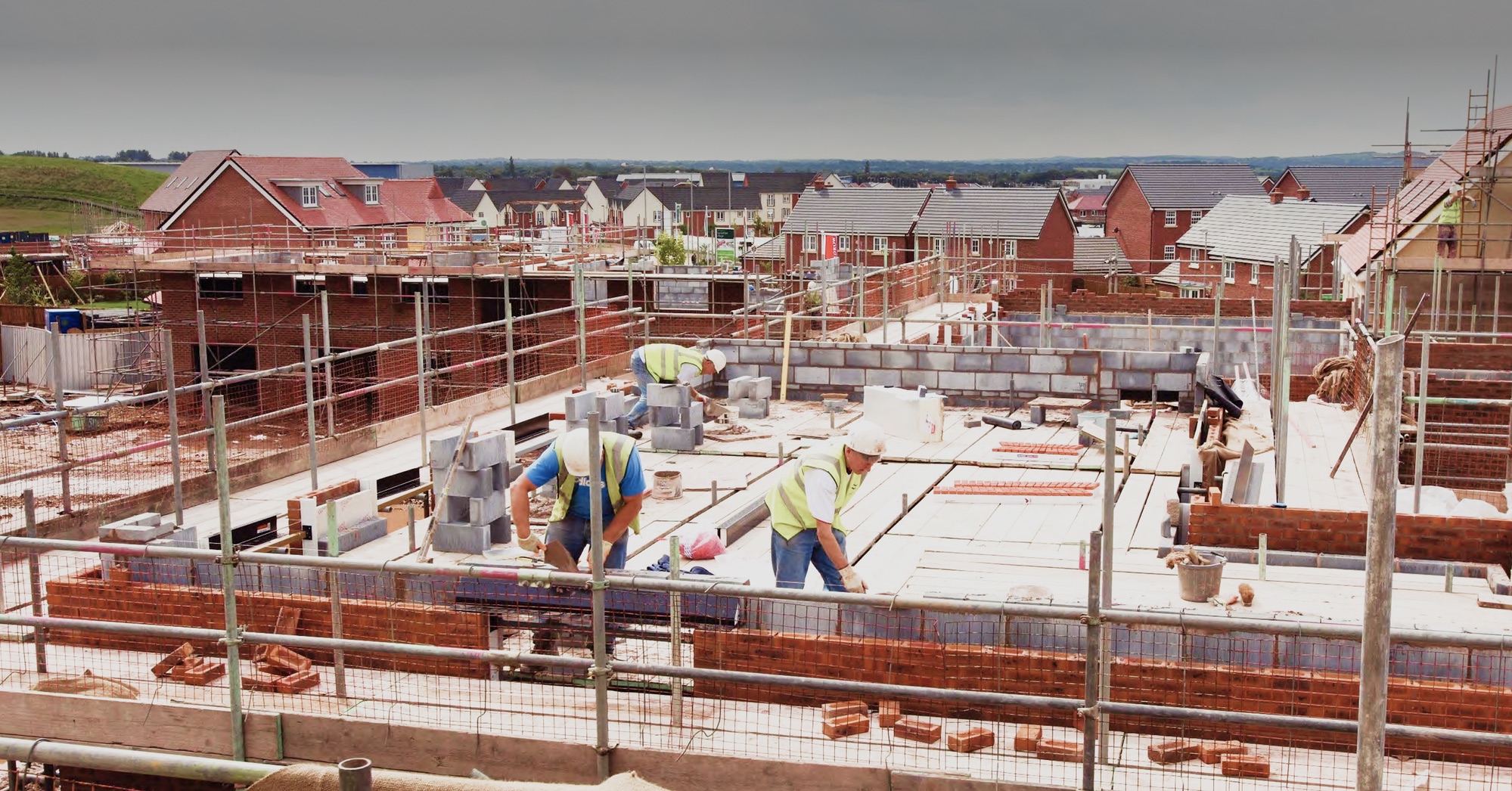
Leading hand and chargehand posts are normally progression roles for experienced tradespeople or construction operatives. Someone might develop from groundworker to experienced groundworker, then take responsibility for a gang. Employers may offer leadership, health and safety or site-supervision training to support the move.
Qualifications and training
There is no single universal chargehand qualification. Relevant trade competence, site safety training and supervisory skills are commonly important. The Skills England Construction Site Supervisor Level 4 apprenticeship describes a more formal supervision route, but it should not be presented as a mandatory qualification for every leading hand position.
Leading Hand / Chargehand pay and earning potential
A cautious indicative guide is £30,000–£45,000 a year, based on comparable construction supervision roles rather than an official salary band for this exact title. Actual pay varies by trade, experience, employer, region and responsibility; verify against live chargehand vacancies before publishing.
Career progression
A leading hand or chargehand can build experience coordinating work before seeking a formal site supervisor or assistant site manager role. Further training, stronger planning skills and broader responsibility are normally needed for that next step. Some people remain specialist trade team leaders.
Explore our career progression guide for a wider view of how house building careers develop.
Find leading hand or chargehand opportunities
House builders and specialist subcontractors recruit experienced operatives to lead small teams in groundworks, brickwork, carpentry and other trades. Check vacancies for the particular trade background and level of supervision expected.
Leading Hand / Chargehand FAQs
A leading hand or chargehand helps a small construction team deliver work safely, accurately and on schedule. The role combines hands-on trade knowledge with day-to-day coordination on a housing development.
A leading hand or chargehand helps organise and guide a small team on site. They allocate tasks, monitor progress, reinforce safe working and report issues while often continuing practical work.
No. A chargehand generally supports a particular gang or work activity, whereas a site manager has wider responsibility for the development, including programme, safety and coordination across trades.
Most people first gain substantial experience in a trade or site occupation. They then demonstrate reliability, communication and leadership, sometimes supported by supervisory training.
A cautious indicative guide is £30,000–£45,000 a year. This is an editorial estimate informed by construction supervision benchmarks, not an official National Careers Service salary band for the exact title.
Leading Hand / Chargehand career path
- Skilled Tradesperson
- Leading Hand / Chargehand
- Site Supervisor
- Assistant Site Manager