
Job
Dry Liner
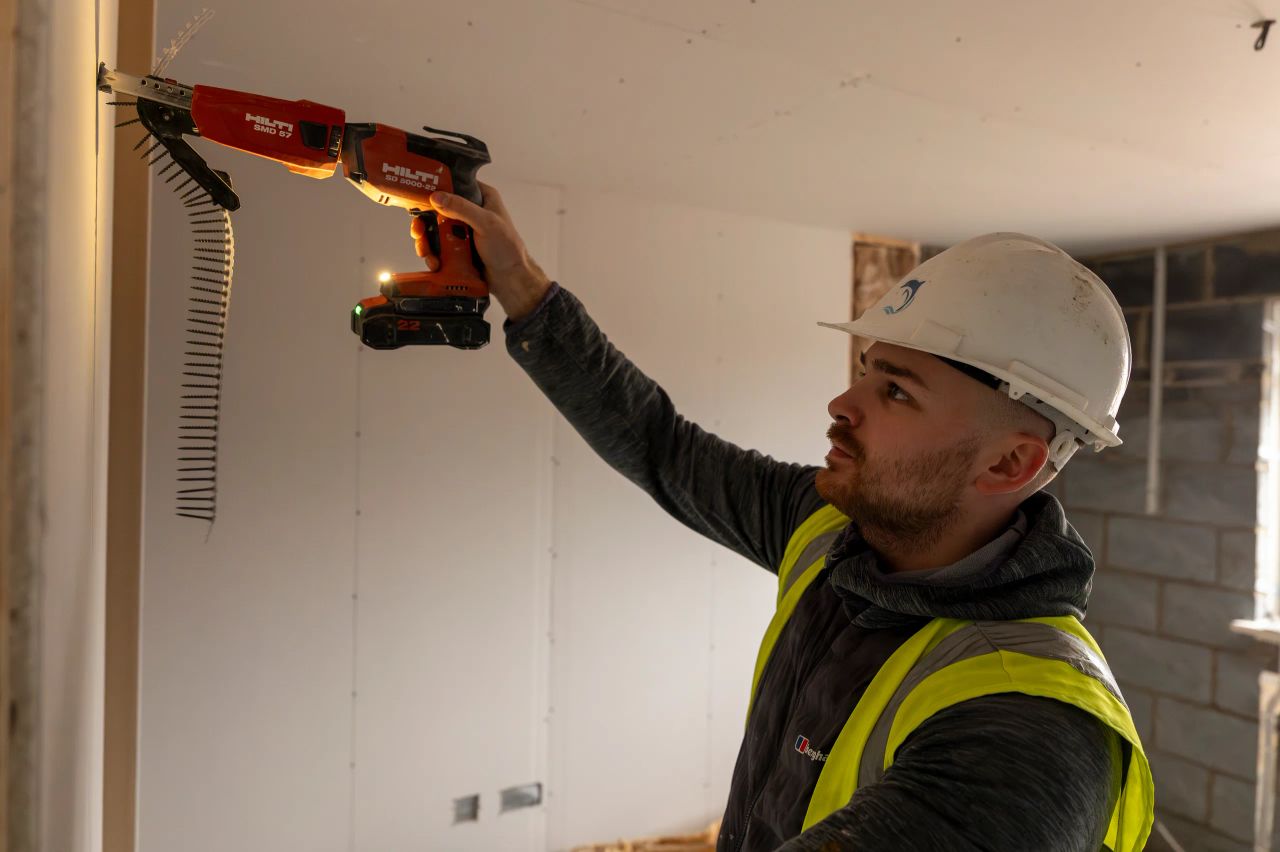
- Department
- Construction / On-Site
- Earning potential
- £33,000–£65,000
- Training time
- Level 2 apprenticeship: typically 24 months + assessment
Dry liners create internal walls, linings and ceilings using plasterboard and framing systems.
On new housing developments, their work helps turn the shell of a house into recognisable rooms and creates spaces for insulation, services and performance systems.

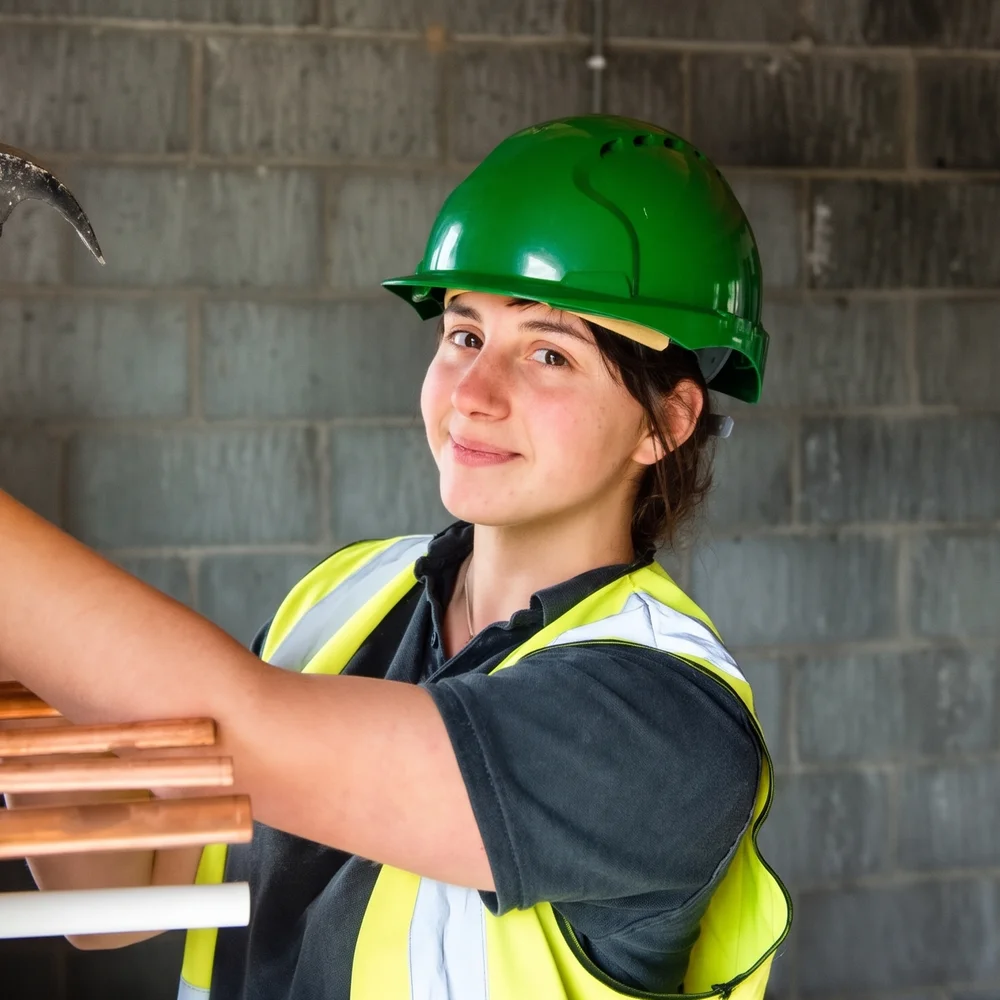
I like how creative it can be. Being in control of the finished product and having the responsibility to carry out your own work is really rewarding.
Maisie
Dry Liner introduction
Dry liners create internal walls, linings and ceilings using plasterboard and framing systems. On new housing developments, their work helps turn the shell of a house into recognisable rooms and creates spaces for insulation, services and performance systems.
The role of a dry liner in house building
A dry liner measures, cuts and fixes plasterboard and associated systems to form walls, ceilings and internal linings. The work needs to follow drawings and specifications, including requirements for fire protection, acoustics and insulation.
A day in the life of a dry liner
Once a house is ready for internal fit-out, you might set out partitions from drawings, measure and cut metal sections and boards, install insulation or pattresses, fix plasterboard around openings and services, and check the finished work before the next trade moves in. Good housekeeping and safe manual handling are part of the job throughout.
Skills for dry liner work
- Practical ability — Dry lining is hands-on work requiring confident use of tools, materials and fixing systems.
- Measurement and accuracy — Walls, openings and boards need to be measured and fitted accurately so later finishes and fittings work properly.
- Physical fitness — The role involves lifting and positioning boards and working in active site environments.
- Reading drawings — You need to understand layouts, specifications and details for partitions, ceilings and performance requirements.
- Safety awareness — Working at height, cutting materials and manual handling all require safe working practices.
- Teamwork — Dry liners coordinate with site managers and other trades working on the same homes.
Routes into dry liner work
A common route is the Level 2 Interior Systems Installer apprenticeship with the Dry lining Systems option. You can also enter through college or specialist training, or start as a labourer or mate and build skills on the job.
Related experience in plastering, carpentry, partitions or other interior systems can also provide a route into dry lining.
Qualifications and training
Skills England currently lists the Level 2 Interior Systems Installer apprenticeship with a Dry lining Systems option. The typical training duration is 24 months, excluding the assessment period.
The Go Construct dryliner guide provides additional practical information on training and qualifications for this trade.
Dry Liner pay and earning potential
Go Construct currently gives an indicative dryliner range of around £33,000 for newly trained workers to £65,000 for experienced dryliners. Earnings can vary significantly by location, employer, employment status, productivity, overtime and whether you work as a subcontractor.
Career progression
With experience, you could become a drylining supervisor or foreperson, move into site supervision, estimating or quantity surveying, specialise in other interior systems, or work as a self-employed subcontractor.
Practical site experience can also create routes into wider construction management. Explore our career progression guide to see how trade careers can develop.
Find dry liner opportunities
House builders need people with dry liner skills at different stages of residential development. Explore employers and their careers sites to see current opportunities and entry routes.
Dry Liner FAQs
A dry liner installs plasterboard and framing systems to form internal walls, linings and ceilings, creating rooms and spaces for services and insulation.
For more information, visit GoConstruct.
Routes include the Level 2 Interior Systems Installer apprenticeship, specialist training and learning on the job as a labourer, mate or assistant.
The current Level 2 Interior Systems Installer apprenticeship typically has 24 months of training, followed by its assessment period.
Go Construct currently gives an indicative range of about £33,000 to £65,000, but earnings vary widely with experience, location and employment status.
Yes. The work can involve lifting boards, using access equipment and working on your feet for much of the day, so safe manual handling is important.
Dry Liner career path
- Trainee Dryliner
- Dryliner
- Drylining Supervisor / Foreman