
Job
Groundworker
- Department
- Construction / On-Site
- Earning potential
- £23,000–£35,000
- Training time
- Level 2 Groundworker apprenticeship: typically 18 months plus assessment
Groundworkers prepare the land and infrastructure that new homes depend on.
Before walls rise, they help establish safe working areas, drainage, foundations and access routes; their work continues as the development takes shape.

The thing I am enjoying most about the programme is that the majority of the course is learnt on the job.
Georgia

Groundworker introduction
Groundworkers prepare the land and infrastructure that new homes depend on. Before walls rise, they help establish safe working areas, drainage, foundations and access routes; their work continues as the development takes shape.
The role of a groundworker in house building
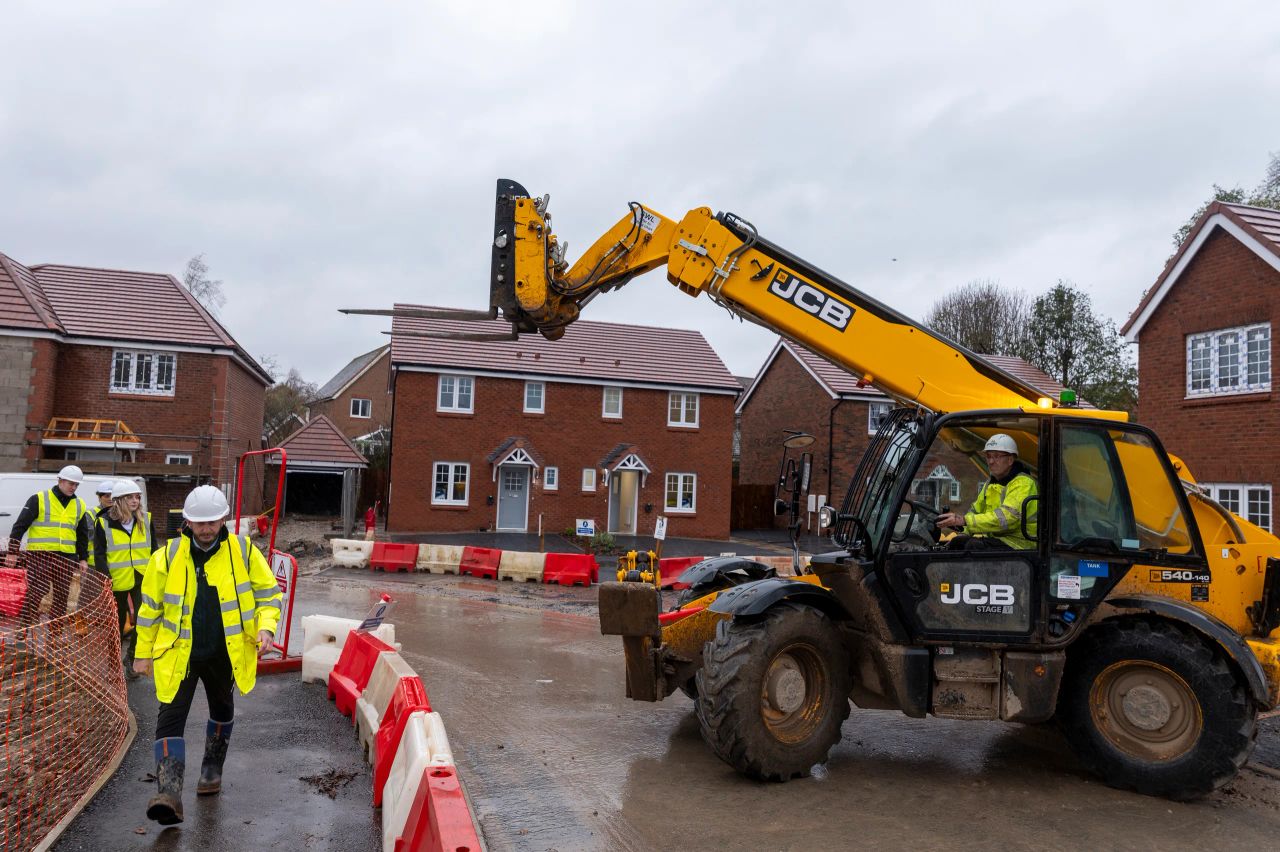
Groundworkers are often among the first construction teams on a residential site. Working with engineers and supervisors, they interpret levels and drawings, prepare excavations, lay drainage and services, place concrete and build roads, paths and hard landscaping. Accurate groundwork makes the later stages of construction safer and more reliable. The role combines physical activity, measurements and close coordination with plant operators and other trades.
A day in the life of a groundworker
You might start by checking the day’s drawings, site conditions and safety arrangements. Tasks could include setting out a trench, preparing a foundation, laying drainage pipes to the correct fall, placing and compacting material, helping with concrete pours or constructing a pathway. You will check levels and report unexpected ground conditions before work proceeds.
Skills for a groundworker
The following skills are particularly useful when working on new-home developments.
- Setting out and measurement — Correct levels and dimensions underpin drainage, foundations and roads.
- Practical construction skills — Excavation, pipe laying, concreting and compaction require careful techniques.
- Safety awareness — Excavations, moving plant and underground services create serious hazards.
- Teamwork — Groundworkers coordinate closely with engineers, supervisors and plant operators.
- Problem solving — Unexpected ground or service conditions need prompt reporting and safe solutions.
- Physical stamina — The role includes demanding outdoor work and handling tools and materials.
Routes into groundworker work
The Level 2 Groundworker apprenticeship offers a structured route into the trade. Some people start as construction operatives, gain site experience and progress through employer training. Relevant college construction courses can help you understand basic tools, safety and materials before applying.
Qualifications and training
The Skills England Groundworker standard describes the occupation and its typical 18-month training period, excluding assessment. Training covers preparing sub-surfaces, drainage, concrete and associated site activities. Employers may require suitable site safety training and evidence of competence for particular tasks or machinery.
Groundworker pay and earning potential
The National Careers Service gives £23,000–£35,000 for construction labourers, which includes groundworker as an alternative title. This is a useful broad guide but not a dedicated benchmark for qualified groundworkers. Actual pay depends on experience, region, specialism and employment arrangements.
Career progression
You could develop into an experienced groundworker, take responsibility for a small gang or become a leading hand or chargehand. With substantial experience and suitable training, site supervision may be a further step. Specialist groundworks, drainage or civil engineering roles are also possible.
Explore our career progression guide for a wider view of how house building careers develop.
Find groundworker opportunities
House builders and groundworks subcontractors recruit apprentices, trainees and experienced groundworkers to prepare new residential sites. Explore employers and look for vacancies mentioning drainage, foundations or external works.
Groundworker FAQs
Groundworkers prepare the land and infrastructure that new homes depend on. Before walls rise, they help establish safe working areas, drainage, foundations and access routes; their work continues as the development takes shape.
For more information, visit GoConstruct.
Groundworkers prepare the ground for construction, install drainage, support foundation work and help create roads, paths and external areas. Their tasks continue through several stages of a housing development.
You can apply for a Level 2 Groundworker apprenticeship or begin in a general construction role and learn through supervised site work and training.
It can be. The work often takes place outdoors and involves manual tasks, although machinery is used for heavier operations. Safe techniques and teamwork are important.
They work alongside plant operators and may use equipment only when appropriately trained and authorised. Operating particular machines requires its own competence and safety arrangements.
As an indicative guide, the National Careers Service lists £23,000–£35,000 for construction labourers, a category that includes groundworkers. Specialist groundworkers may earn differently, so this is a proxy rather than a dedicated salary band.
Groundworker career path
- Trainee Groundworker
- Groundworker
- Groundworks Supervisor