
Job
Wall and Floor Tiler
- Earning potential
- Around £21,000–£38,000
- Training time
- Level 2 apprenticeship typically 30 months + assessment period
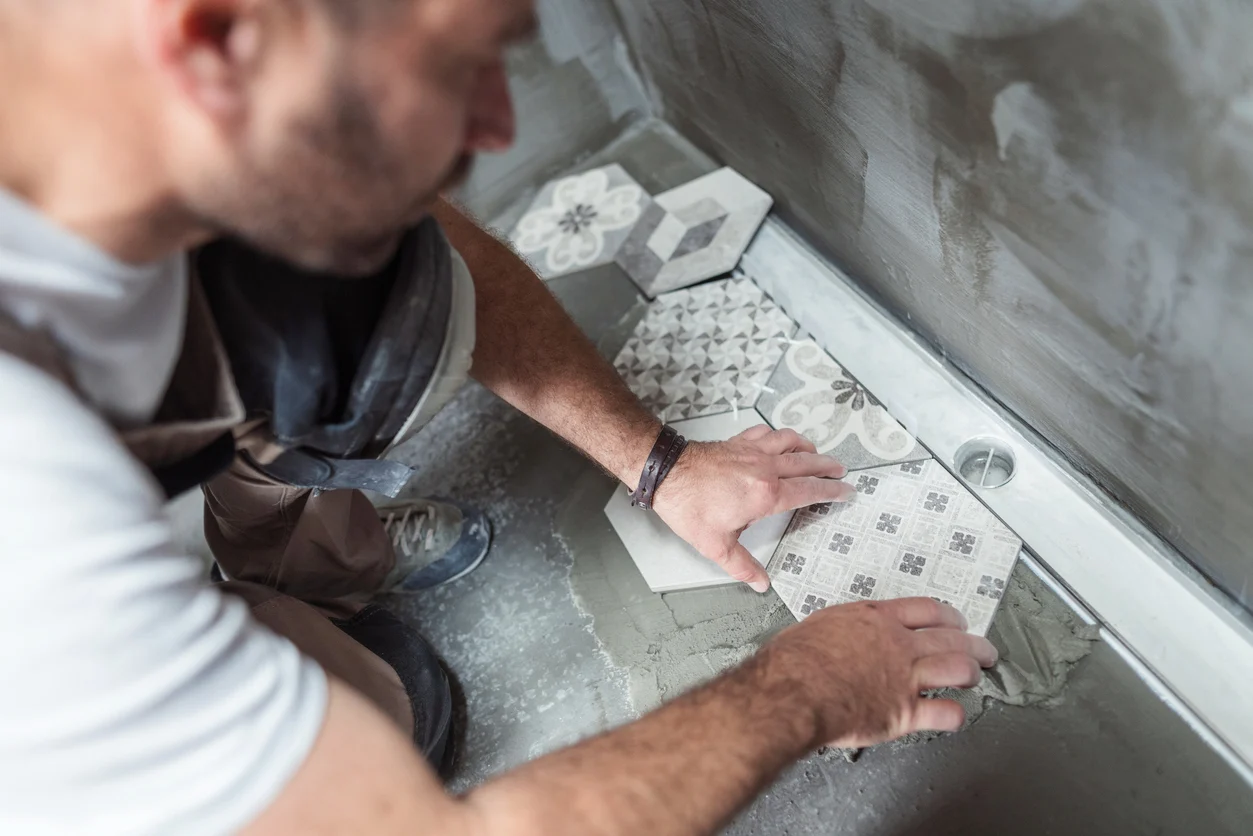
Wall and floor tilers create durable, accurate finishes in kitchens, bathrooms and other tiled areas of new houses.
They prepare surfaces, set out patterns, cut and fix tiles, grout joints and check that the finished work meets the required standard.

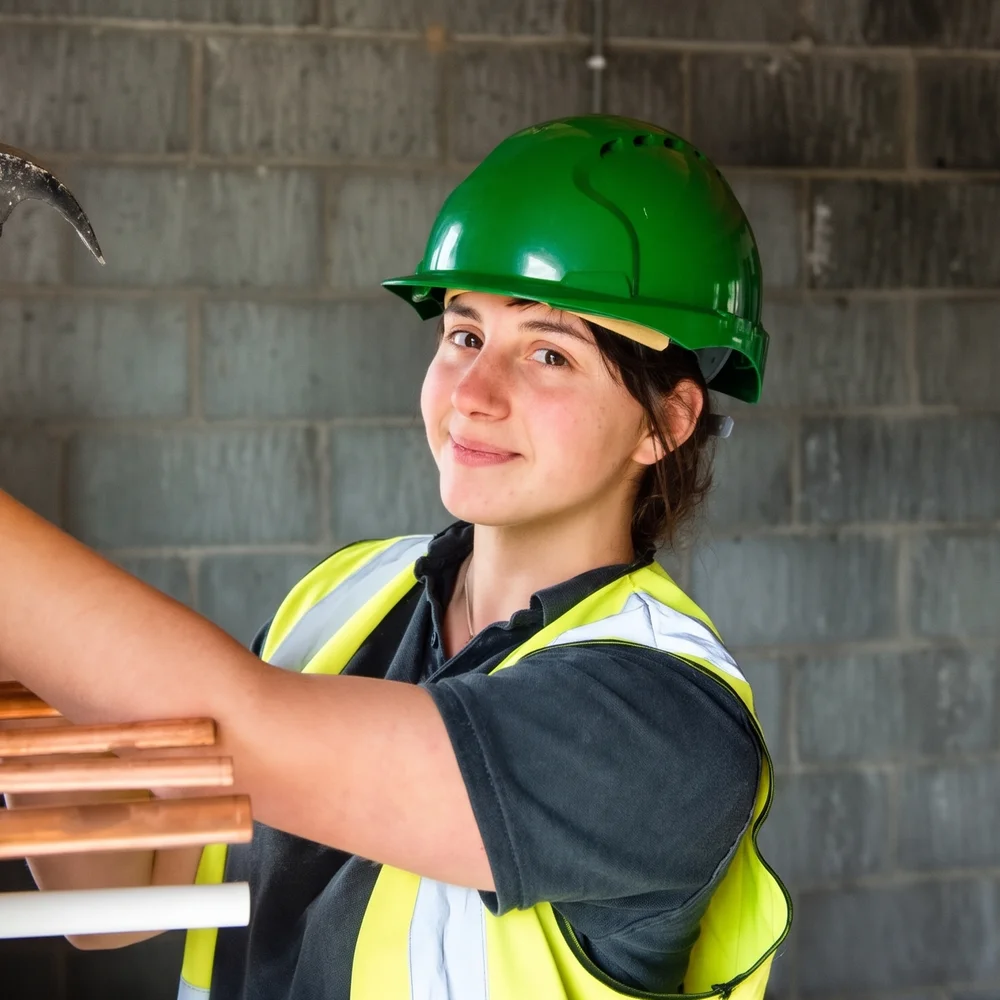
I like how creative it can be. Being in control of the finished product and having the responsibility to carry out your own work is really rewarding.
Maisie
Wall and Floor Tiler introduction
Wall and floor tilers create durable, accurate finishes in kitchens, bathrooms and other tiled areas of new houses. They prepare surfaces, set out patterns, cut and fix tiles, grout joints and check that the finished work meets the required standard.
The role of a wall and floor tiler in house building
The existing House building careers page covers the core craft well: calculating materials, cutting tiles, preparing surfaces, fixing different tile types and grouting. For house building, the role is especially important during the finishing stages, when accuracy and presentation directly affect the quality of a new home before inspection and handover.
A day in the life of a wall and floor tiler
A wall and floor tiler could:
Check drawings, specifications and the areas ready for tiling.
Measure spaces and calculate tile adhesive, grout and other material requirements.
Prepare walls and floors so surfaces are level, clean and suitable for fixing.
Set out tile patterns carefully and cut tiles around corners, pipes, sockets and fittings.
Fix ceramic, porcelain, natural stone or other specified tiles and apply grout or sealants.
Inspect the finish, protect completed work and coordinate with other finishing trades.
Skills for wall and floor tiler work
- Accuracy — Setting out and cutting tiles so lines, levels and joints are consistent.
- Practical skill — Using hand and power tools safely and effectively.
- Attention to detail — Producing a clean, high-quality finish in visible areas of a new home.
- Numeracy — Measuring areas and calculating quantities and layouts.
- Problem solving — Working around fittings, obstacles and different surface conditions.
- Teamwork — Coordinating with site managers and other trades during finishing work.
Routes into wall and floor tiler work
You can enter wall and floor tiling through a college course, apprenticeship or by learning on the job with an experienced tiler or contractor. An apprenticeship combines paid site experience with structured training and is a strong route for people who prefer practical learning.
Qualifications and training
Skills England currently lists the Level 2 Wall and Floor Tiler apprenticeship as approved for delivery, with a typical 30-month training period followed by a typical three-month assessment period. Training covers safe working, preparation, setting out, cutting, fixing, grouting and quality standards. Site-card requirements can change, so check current Construction Skills Certification Scheme (CSCS) guidance where a card is needed.
For an additional construction-careers perspective, see the Go Construct wall and floor tiler guide.
Wall and Floor Tiler pay and earning potential
The National Careers Service currently gives an indicative salary range of around £21,000 for starters to £38,000 for experienced tilers. Earnings can vary with location, experience, overtime, employment status and whether you work for a contractor or are self-employed.
Career progression
With experience, a wall and floor tiler can supervise others, move into estimating or contract management, train apprentices, specialise further in the trade or set up a tiling business..
Explore our career progression guide to see how experience can lead to different parts of the industry.
Find wall and floor tiler opportunities
House builders recruit at different levels and use job titles in slightly different ways. Explore employers and their careers sites to see current opportunities and entry routes.
Wall and Floor Tiler FAQs
A wall and floor tiler prepares surfaces, sets out tile layouts, cuts and fixes tiles, applies grout and checks the finished work. In new homes they commonly work in kitchens, bathrooms and other specified tiled areas.
You can train through an apprenticeship, college course or supervised on-the-job route. Apprenticeships are particularly useful because they combine practical site experience with structured training.
Skills England currently gives a typical training duration of 30 months for the Level 2 Wall and Floor Tiler apprenticeship, followed by a typical three-month end-point assessment period.
The National Careers Service currently indicates around £21,000–£38,000. Actual earnings vary with experience, location, overtime and whether you are employed or self-employed.
Wall and Floor Tiler career path
- Trainee Wall & Floor Tiler
- Wall and Floor Tiler