
Job
Town Planner
- Department
- Planning
- Earning potential
- £26,000–£45,000
- Training time
- Degree, postgraduate or apprenticeship routes; professional development can continue towards chartered status
Town planners help house builders understand where and how new homes can be developed.
They work with land, design and technical teams to navigate the planning system and help shape proposals that respond to planning policy, place and community needs.

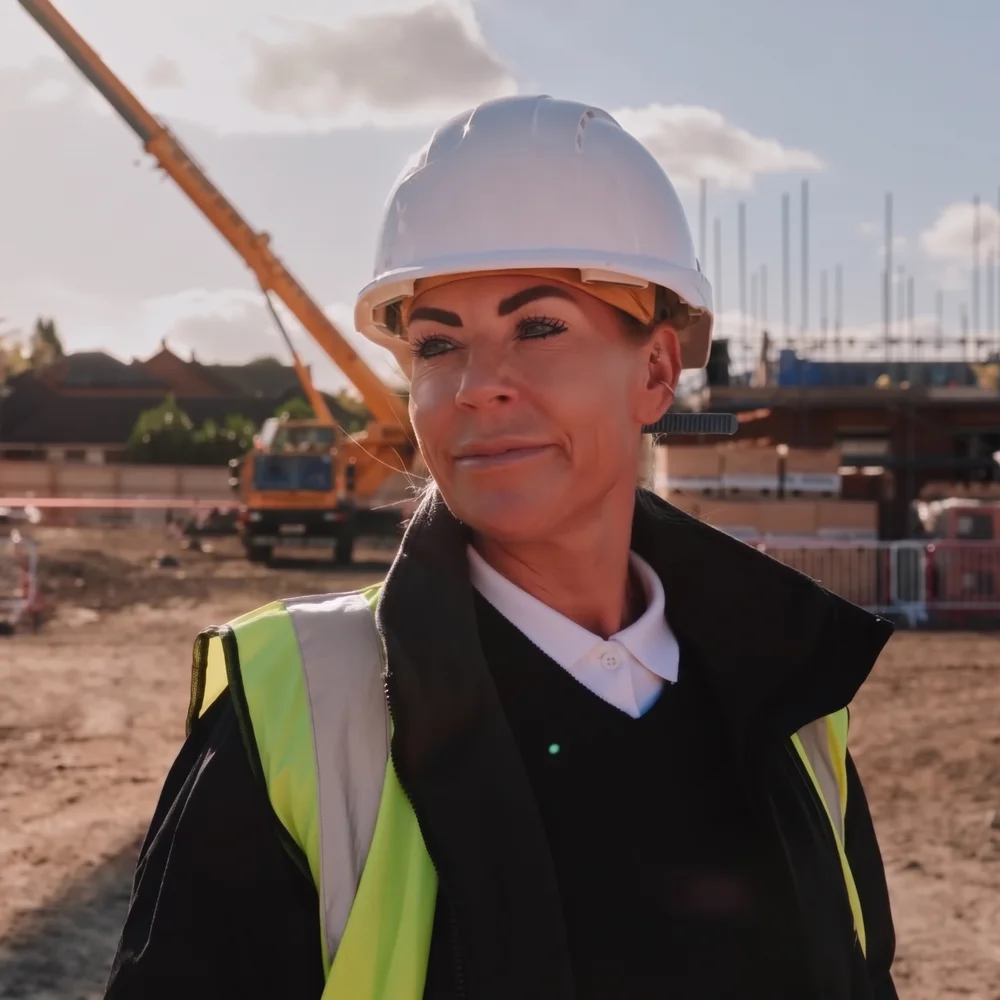
I am constantly learning and evolving, and with my company and my teams support, I am actively pursuing my career goals.
Sarah
Town Planner introduction
Town planners help house builders understand where and how new homes can be developed. They work with land, design and technical teams to navigate the planning system and help shape proposals that respond to planning policy, place and community needs.
The role of a town planner in house building
Town planners work closely with landowners, land agents and land buyers. In a modern house builder, the role involves site assessment, interpreting planning policy, submitting planning applications, as well as consultation and negotiation with local planning authorities and other stakeholders.
Planning sits at the point where development ambitions meet planning policy and local priorities. Planners need to understand what makes a site suitable for housing, what evidence an application needs and how a proposed development may need to change as it moves through the planning process.
A day in the life of a town planner
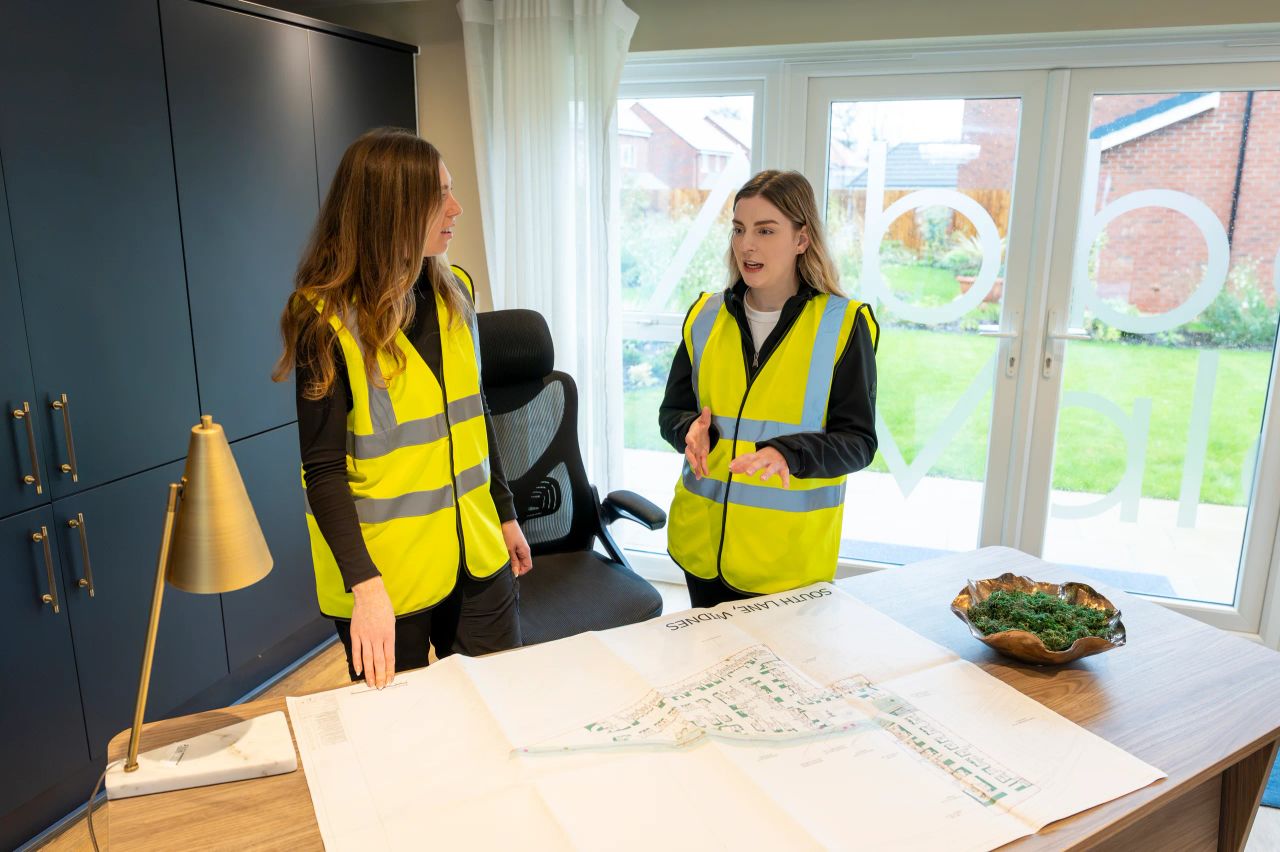
A typical day might include reviewing a potential site against local planning policy, coordinating reports for an application, meeting architects or engineers, speaking with a local authority planning officer, responding to consultation feedback or preparing information for a planning committee or appeal.
Skills for planning work
- Planning and policy knowledge — Residential proposals must respond to national and local planning requirements.
- Communication and negotiation — You work with authorities, consultants, communities, land teams and other specialists.
- Analysis — Planners assess sites, evidence, policy and competing development considerations.
- Writing — Clear planning statements, submissions and correspondence are important.
- Organisation — Applications involve multiple reports, deadlines and contributors.
Routes into town planning
Common routes include an undergraduate or postgraduate planning qualification, a planning apprenticeship, or progression from a planning-support role. People with related degrees can also take an accredited postgraduate route into the profession.
Qualifications and training
The National Careers Service recommends degrees or postgraduate qualifications accredited by the Royal Town Planning Institute (RTPI). Professional development can lead towards chartered membership, and current RTPI guidance should be used for detailed requirements.
Use current RTPI guidance for professional routes and chartered membership. The Go Construct town planner guide also provides a useful complementary career overview.
Town planner pay and earning potential
The National Careers Service currently gives an indicative town planner salary range of around £26,000 for starters to £45,000 for experienced professionals. Pay in house building varies by employer, location, experience and level of responsibility.
Career progression
A planner can progress to senior or principal planner, planning manager, head of planning or wider land and development leadership. Planning experience can also support moves into land acquisition, development management or specialist consultancy.
Explore our career progression guide to see how experience can lead to different parts of the industry.
Find town planner opportunities
House builders need people with planner skills at different stages of residential development. Explore employers and their careers pages to see where opportunities are available.
Town Planner FAQs
A planner helps assess land for new housing and guides development proposals through the planning process. In house building, this can include researching policy, coordinating planning applications, working with technical specialists and local authorities, and responding to consultation feedback so proposals meet planning requirements and support deliverable developments.
Common routes include an accredited planning degree or postgraduate qualification, a relevant apprenticeship, or progression from a planning-support role. Experience of residential development, planning policy and the application process can be particularly useful when building a career with a house builder.
Many professional planners complete an RTPI-accredited degree or postgraduate qualification, although apprenticeship routes are also available. As your experience develops, you may choose to work towards chartered membership of the Royal Town Planning Institute, depending on your role and career goals.
The National Careers Service currently gives an indicative salary range of around £26,000 to £45,000 for town planners. Pay in house building varies by experience, location, employer and responsibility, with higher earnings possible as you progress into senior planning or management roles.
Town Planner career path
- Planning Manager
- Land / Development Director