
Job
Land Buyer

- Department
- Land
- Earning potential
- £20,000–£50,000+
- Training time
- Varies by route; degree and graduate development routes are common
Before new homes can be planned or built, a house builder needs suitable land.
Land buyers identify potential sites, assess whether they could work as residential developments and negotiate opportunities that can feed the future development pipeline of the house builder..

No two days are the same. You have the best of both worlds in that you are in the office as well as out on site. It is also a very sociable job with lots of networking events and agent events to attend.
Jasmine
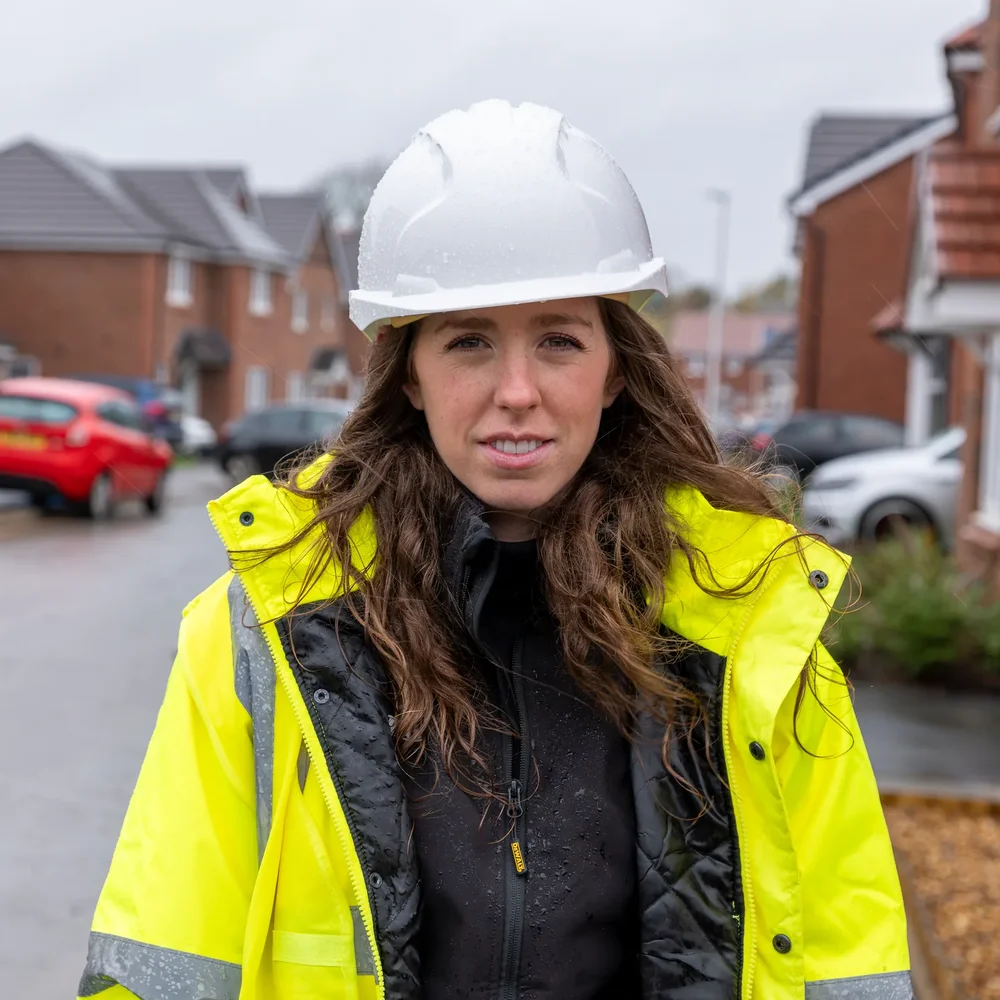
Land Buyer introduction
Before new homes can be planned or built, a house builder needs suitable land. Land buyers identify potential sites, assess whether they could work as residential developments and negotiate opportunities that can feed the future development pipeline of the house builder..
The role of a land buyer in house building
Land buying combines property, planning, commercial judgement and negotiation. A land buyer will search for sites, visit land, review constraints and planning potential, assess value, speak with agents and landowners, and help prepare recommendations for the business.
A day in the life of a land buyer
A day could include reviewing a potential site, checking planning policy and local market information, visiting land with colleagues, speaking to an agent or landowner, arranging technical due diligence and preparing an appraisal or recommendation.
Skills for land buyer work
- Commercial judgement — You need to understand whether a land opportunity can support a viable residential development.
- Negotiation — Land deals involve agents, landowners and sometimes complex terms -, so confident negotiation matters.
- Research and analysis — Planning policy, local markets, constraints and site information all influence whether land is suitable.
- Relationship building — Good opportunities often depend on trusted long-term relationships with agents, landowners and professional advisers.
- Communication — Land buyers present recommendations internally and discuss opportunities with many external stakeholders.
- Curiosity and persistence — Potential sites do not always become developments quickly, so the role rewards people who keep looking and following up matters..
Routes into land buyer work
Graduates often enter through trainee land buyer, land graduate or land negotiator roles. Degrees in property, real estate, planning, surveying, geography, land management or related subjects can be useful, but employers may also recruit people with strong commercial and negotiation skills from other backgrounds.
Some people move into land buying from estate agency, surveying, planning or other property roles. Employer graduate schemes and structured on-the-job development are common routes.
Qualifications and training
There is no single mandatory qualification for a land buyer. Relevant degree routes can include real estate, surveying, planning and land management. Where professional surveying development is part of the role, current guidance from the Royal Institution of Chartered Surveyors can help explain recognised pathways.
Land Buyer pay and earning potential
There is an indicative earning range of £20,000 to £50,000. Land roles vary considerably by experience, employer, location, responsibility and bonus arrangements, so this figure should be treated as a broad guide and reviewed against current house builder recruitment data before publication.
Career progression
A typical path can move from trainee or land buyer into land manager, senior land manager and land or development director. Some people also move between land, planning, development, surveying and wider commercial roles.
As your experience grows, you may take responsibility for larger or more complex sites and negotiate higher-value deals. Explore our career progression guide to see how land experience connects with other house building careers.
Find land buyer opportunities
. Explore employers and their careers sites to see current opportunities and entry routes.
Land Buyer FAQs
A land buyer identifies potential development sites, assesses their suitability and value, works with planning and technical colleagues, and negotiates opportunities with landowners and agents.
There is no single mandatory qualification. Property, surveying, planning, real estate and land-management degrees can be useful, while some employers recruit through graduate schemes or from related property roles.
No. A land buyer works on acquiring land for future development, rather than selling homes or acting for buyers and sellers in the residential property market.
There is a broad £20,000 to £50,000 range. Actual packages vary considerably and may include bonuses, so current employer data should be checked.
Progression can lead to land manager, senior land manager and land or development director roles, or into related planning, development and property careers.
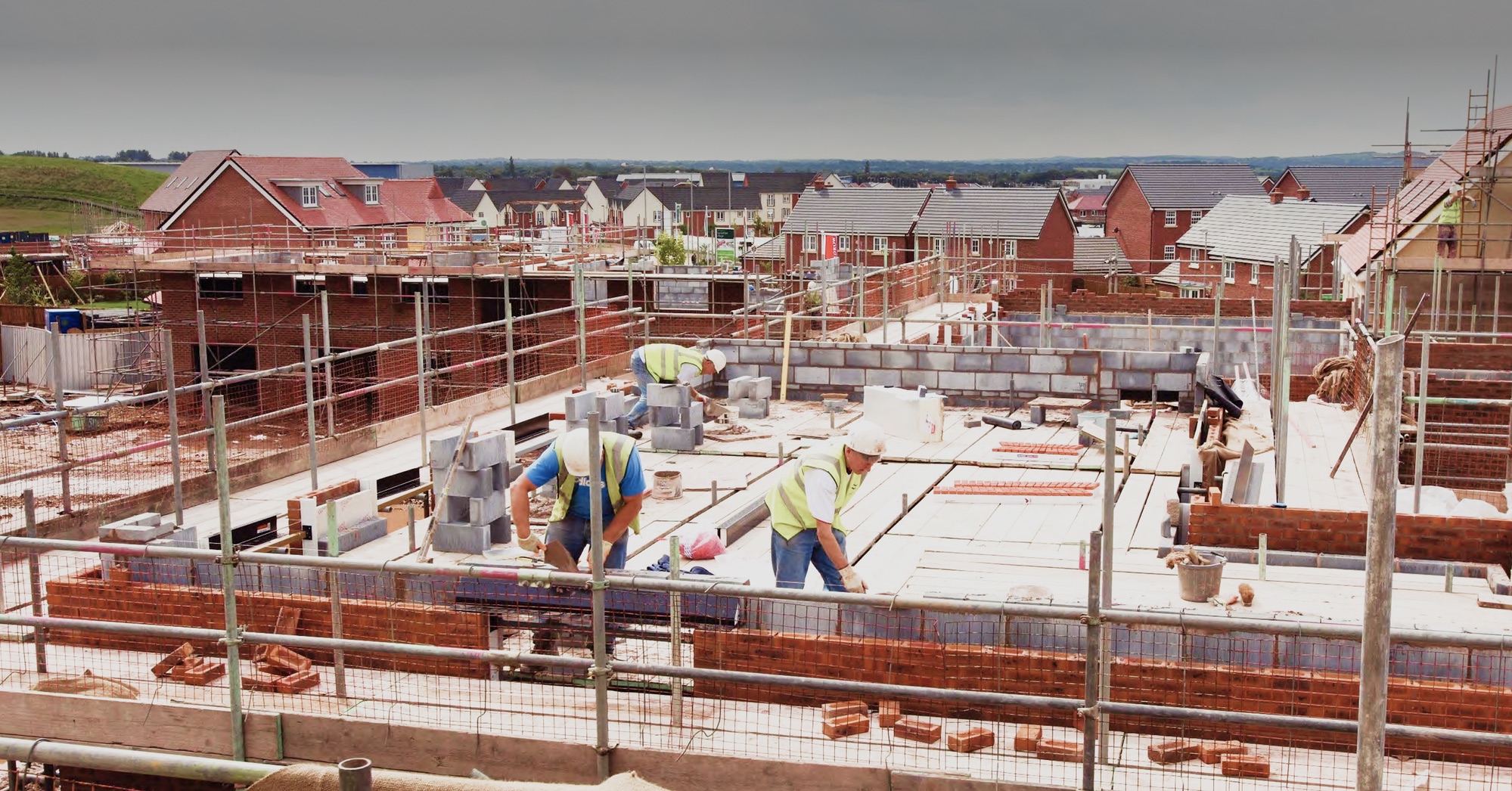
Land Buyer career path
- Land Manager
- Senior Land Manager
- Land / Development Director